
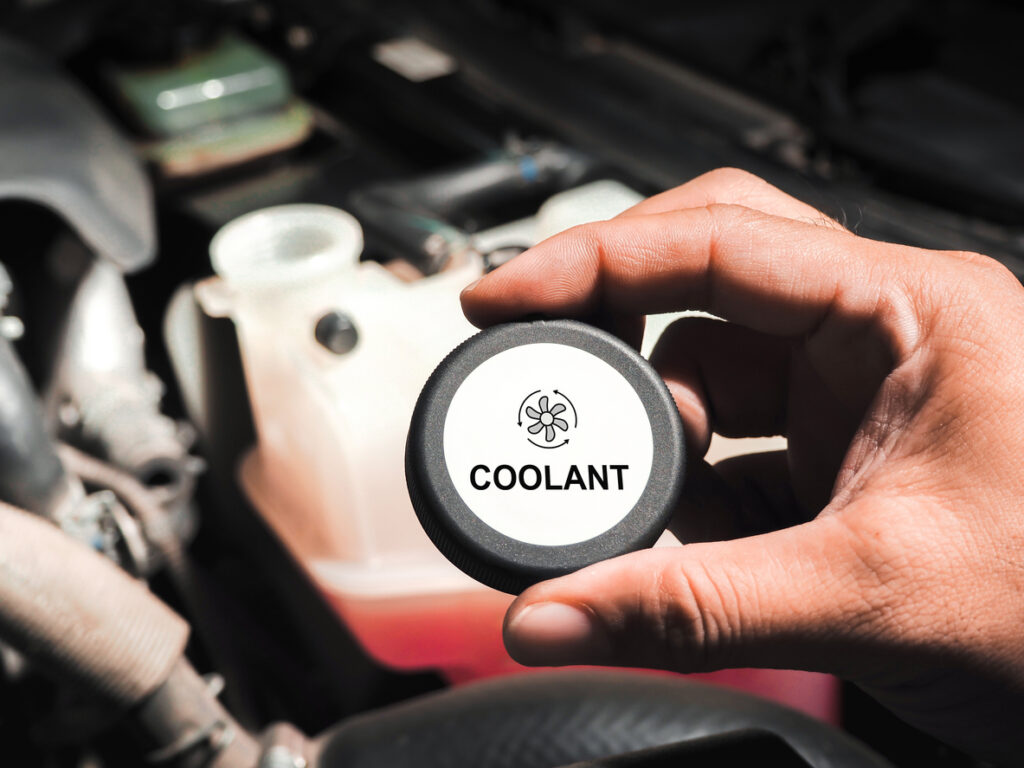
I have flushed cooling systems on hundreds of cars over the years, from beat-up tokunbo Corollas in Lagos to shiny new Mercedes in Abuja, and after reading through service manuals from Toyota, Honda, and even European brands like BMW, plus talking to fellow mechanics and testing different methods myself, I can say this: deciding between a DIY coolant flush and taking it to a shop depends on your comfort level, tools, and how much you value your time. In Nigeria, where heat pushes engines hard year-round, a proper flush every 40,000 km or two years keeps overheating at bay, prevents rust, and extends engine life. But doing it wrong can lead to air pockets, leaks, or even cracked blocks if you mix coolants badly. Let us walk through the pros, cons, and steps so you can decide what is best for you.
First, what exactly is a coolant flush? It is more than just topping up the radiator. You drain the old coolant, which picks up rust, scale, and contaminants over time, then flush the system with water or a cleaner to remove buildup, and finally refill with fresh coolant mixed properly. Old coolant loses its anti-corrosion properties, turning acidic and eating away at hoses, pumps, and gaskets. In our climate, with borehole water often used in mixes, mineral deposits clog radiators faster, making flushes essential to avoid breakdowns on the expressway.Now, the DIY route. If you are handy and have a basic toolkit, you can save serious money, a shop charges ₦25,000–₦60,000 for the job, while DIY materials run ₦15,000–₦30,000. I have done it myself on my own Camry countless times, and it takes about an hour if everything goes smooth. The biggest pro is control: you pick the exact coolant type (red for most Asian cars, pink or blue for Europeans) and ensure a 50/50 mix with distilled water, not tap water that leaves scale. No risk of a mechanic using fake coolant from the roadside, which boils too easily in 38 °C heat.To do it DIY, start with the engine cold and parked on level ground. Gather distilled water (₦2,000 for 20 litres), coolant (₦12,000–₦20,000 for concentrate), a drain pan, hose, and maybe a flush kit (₦5,000). Drain the radiator by opening the petcock at the bottom — catch the old fluid in the pan (dispose properly at a recycling spot, not the gutter). Remove the thermostat if your car allows easy access (check the manual; on Corollas it is straightforward), then run a garden hose into the radiator cap opening while the drain is open. Let water flow until it runs clear, usually 10–15 minutes. For stubborn buildup, add a cleaner like Prestone flush (₦8,000) and drive for 30 minutes first, then flush.Reinstall the thermostat, close the drain, and fill with the 50/50 mix. Start the engine with the cap off, let it warm up to bleed air — top up as bubbles escape. Burp the system by squeezing hoses to push out pockets. Test drive and check for leaks. If done right, your temperature gauge stays steady, and the heater blows hot again. But here is the catch: if you get air trapped, the engine overheats quickly. Mess up the mix, and corrosion sets in. Without a pressure tester (₦15,000 tool), you might miss leaks. I have seen DIY folks crack plastic radiators by overtightening drains or use wrong coolant that gels up in heat.On the flip side, going to a shop has clear advantages, especially if you are not mechanically inclined or your car has a tricky setup, like V6 engines where the thermostat is buried. Pros include expertise — a good mechanic uses a machine to vacuum flush, pulling out more gunk than gravity alone. They pressure test the system afterward to spot weak hoses or pumps before they fail, saving you from roadside towing. In my experience with workshops like Stallion or Elizade, they use genuine coolant and dispose of waste properly, plus reset any service lights. Cost is higher, but for ₦40,000 average, you get peace of mind, especially on warranty cars where DIY might void coverage.Cons of shops? Not all are honest. Some skip the full flush and just drain-refill, charging full price. Roadside boys might use recycled coolant or tap water, leading to problems down the line. Always ask to watch or specify genuine parts. From what I have researched in forums and manuals, a proper shop flush extends component life by removing 95 % of contaminants, versus 70–80 % for basic DIY.So, when to choose DIY? If your car is simple (four-cylinder like Civic or Elantra), you have space and tools, and you enjoy learning. It builds confidence for other maintenance. I recommend it for budget-conscious drivers who do short city runs — you can flush more often without breaking the bank. But skip DIY if your car is complex (BMW with electric pumps), you lack a safe workspace, or it is your only vehicle — one mistake strands you.Opt for a shop if time is money, or you want a thorough job with diagnostics. Look for certified places with good reviews; avoid those pushing unnecessary add-ons like “special additives” for extra cash. Hybrid or electric cars often need specialized flushes, so pro only there.Whichever way, some universal tips from my research and fixes. Always use the coolant specified in your manual — mixing types creates sludge. Flush before summer peaks to handle heat better. After any flush, monitor the temperature for a week and top up if needed. Carry extra premixed coolant in the boot for emergencies. And remember, prevention like cleaning the radiator fins monthly stops many issues.In the end, I lean toward DIY for most Nigerian drivers once you learn it — it empowers you and cuts costs in our economy. But start by watching a YouTube video for your exact model. A well-flushed system means fewer breakdowns, better efficiency, and an engine that lasts 300,000 km plus. Weigh your skills, and choose wisely. Your car will run cooler for it.