
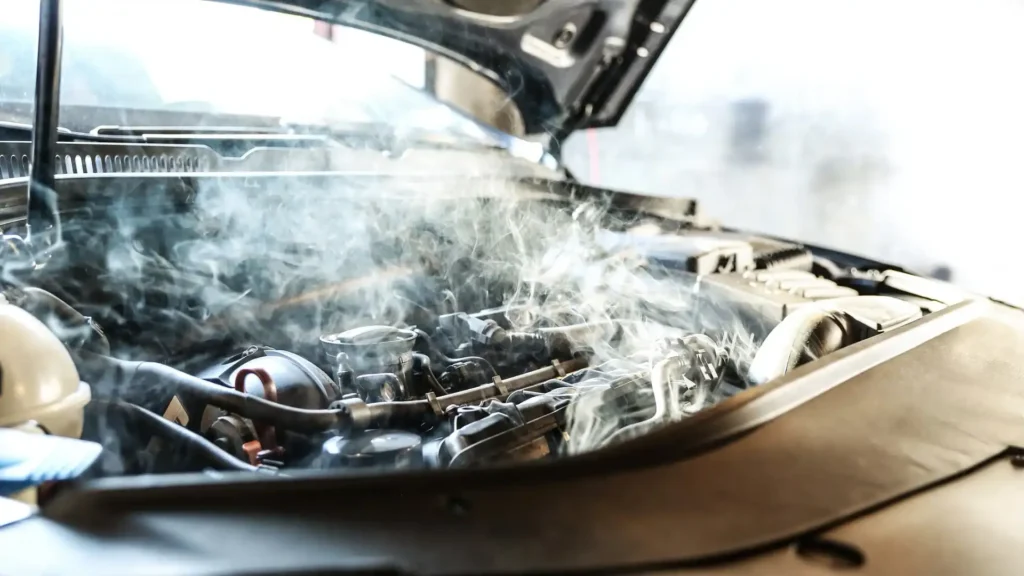
Hey there, if you’re like me and live somewhere where summer turns your car into a mobile oven, you know how brutal the heat can be on your vehicle. It’s not just about staying comfortable while driving; neglecting some basic prep can lead to breakdowns, costly repairs, or even safety issues on the road. I’ve dug into advice from mechanics, auto experts, and reliable sources to put together this guide. We’ll cover the essentials to keep your car running smoothly through the hottest months. Think of it as a checklist to avoid those sweaty surprises. Let’s get into it.
First off, start with your air conditioning system because nothing ruins a summer drive faster than warm air blasting from the vents. Your AC works harder in high temperatures, so test it early. Turn it on full blast and check if the air coming out is cold enough,aim for about 40 to 50 degrees Fahrenheit cooler than the outside air. If it’s weak or making strange noises, it might need a recharge or have a leak in the refrigerant. Low refrigerant is common as seals dry out in the heat. Also, inspect the cabin air filter; a clogged one reduces airflow and makes the system strain more. Replacing it is usually a simple DIY job, just pop open the glove box or check your owner’s manual for the location. A fresh filter can improve cooling efficiency by up to 15 percent, based on what I’ve read from auto maintenance pros. Don’t forget the condenser in front of the radiator; clean off any debris like leaves or bugs that block airflow. If you’re not handy, a quick visit to a shop for an AC service can prevent bigger problems later.
Next, pay attention to your tires because summer heat expands the air inside them, messing with pressure and wear. Underinflated tires overheat faster, increasing the risk of blowouts, especially on hot pavement. Check the pressure when the tires are cold, ideally in the morning, using a reliable gauge. The right PSI is listed on the driver’s door jamb or in your manual, don’t rely on the max pressure stamped on the tire sidewall. Heat can raise pressure by about 1 PSI for every 10-degree temperature increase, so adjust accordingly. While you’re at it, inspect the tread depth. Use the penny test: stick a penny in the groove with Lincoln’s head down; if you see the top of his head, it’s time for new tires. Bald tires lose grip on wet roads, and summer often brings sudden storms. Rotate your tires if it’s been over 6,000 miles to even out wear. Proper tire maintenance not only beats the heat but can improve fuel economy by 3 to 5 percent.
Now, let’s talk fluids, starting with the cooling system, which is your car’s lifeline against overheating. Engine coolant, or antifreeze, absorbs heat and prevents boiling in extreme temps. Check the level in the overflow tank when the engine is cool, if it’s low, top it off with a 50/50 mix of coolant and water. But don’t stop there; old coolant loses its effectiveness, so flush and replace it every two years or 30,000 miles. A full cooling system service removes rust and buildup that clogs the radiator. I’ve seen recommendations from service guides that this can drop engine temps by 20 degrees or more. While you’re under the hood, check other fluids too. Oil lubricates and cools engine parts, so change it if it’s due, using a summer-weight if your manual suggests it. Brake fluid absorbs moisture over time, leading to spongy brakes in heat; test it with strips or have it flushed. Transmission fluid and power steering fluid should be at proper levels to avoid breakdowns. Low fluids are a top cause of summer roadside calls, so this step is key.
Your battery deserves a close look because heat accelerates chemical reactions inside, shortening its life. Batteries last about three to five years, but in hot climates, that drops. Test the charge with a voltmeter, it should read around 12.6 volts when off. Clean any corrosion on terminals with baking soda and water, then rinse and dry. Secure the battery hold down to prevent vibration damage. If it’s over three years old, consider a load test at an auto parts store. Heat evaporates battery fluid too, so if it’s not maintenance free, check and add distilled water. Skipping this can leave you stranded; heat related battery failures spike in summer.
Belts and hoses are often overlooked but critical in the heat. Rubber components dry out and crack under high temperatures, leading to failures. Inspect serpentine belts for fraying, glazing, or squeaks, replace if worn. Hoses should feel firm, not spongy or brittle. Squeeze them to check for leaks or bulges. A burst hose can dump coolant fast, causing overheating. While checking, look at the radiator for leaks or bent fins. Brakes also take a beating in summer traffic; heat builds up during stops, wearing pads faster. Listen for squealing or grinding, and feel for vibrations. If pads are thin, replace them summer stop-and-go driving amplifies issues. A brake inspection ensures safe stopping power.
Protecting your car’s interior and exterior from the sun is smart for longevity and comfort. UV rays fade dashboards and crack leather, so use a windshield sunshade every time you park. It can lower interior temps by 30 to 40 degrees. For the exterior, wash off bird droppings and bugs promptly, they etch paint in heat. Apply a fresh coat of wax to shield against UV damage and make cleaning easier. Tint windows if legal in your area; it blocks heat and glare. For ventilation, crack windows slightly or use solar-powered fans, but avoid leaving them open in unsecured spots. These steps keep your car looking good and feeling cooler.
Finally, prep an emergency kit tailored for summer. Include water, non-perishable snacks, a flashlight, jumper cables, a tire inflator, and basic tools. Add sunscreen, hats, and a phone charger. A roadside assistance membership is worth it for peace of mind. If you’re traveling, plan routes with shade or stops to cool down.
Wrapping this up, prepping your car for summer isn’t rocket science, but it saves headaches and money. By tackling these areas, AC, tires, fluids, battery, belts, brakes, protection, and emergencies, you’ll beat the heat and enjoy safer drives. I’ve based this on solid advice from experts like auto service pros and maintenance guides, so give your car some TLC before the mercury rises. Safe travels out there.