
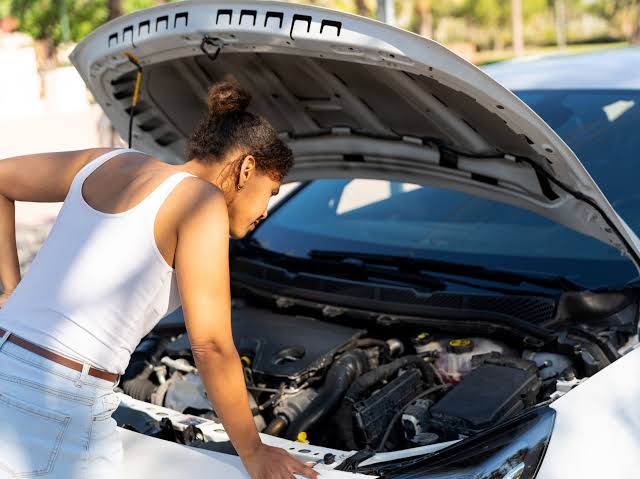
I have looked into this topic by checking out reliable sources like local mechanic tips from Lagos workshops, articles from sites like 234Drive and Ayokele.NG, and even some international guides adapted for dry, dusty seasons from places like Clean Freak Car Wash and D&R Automotive. What stands out is that while Nigeria does not get snow or ice like traditional winters, our harmattan season from November to February brings its own challenges: dry winds carrying Sahara dust, cooler nights that dip to 15 degrees in some areas, and hazy visibility that makes driving tricky. This “winter” stresses your car differently, with dust clogging parts, dry air cracking rubber, and temperature swings affecting batteries and fluids. Skipping maintenance can lead to breakdowns on busy roads like Lagos-Ibadan or Abuja-Kaduna, or worse, safety issues in low visibility. A proper checklist helps you stay ahead, saving money on repairs and keeping your family safe. Here is a straightforward rundown of what to check and why, based on real advice for our conditions.
Start with your battery, because harmattan’s cooler mornings make it harder for weak batteries to start the engine. Batteries lose power faster in fluctuating temperatures, and dust can corrode terminals. Inspect for white or green buildup around the posts, clean it with baking soda and water, then rinse and dry. Test the voltage with a multimeter, it should read 12.4 to 12.7 volts when the engine is off. If below 12.4, charge it or replace if over three years old. In my research, many Nigerian drivers face dead batteries during harmattan because they park for days without driving, so run the engine for 20 minutes weekly if you do not drive much. Carry jumper cables too, just in case.
Next, check your engine oil more often than usual. Harmattan dust mixes with bad fuel, making oil dirty quicker and reducing lubrication. Low or sludgy oil leads to overheating or engine wear, especially in traffic idles. Pop the hood when cold, pull the dipstick, wipe it, reinsert, and pull again, the level should be between the marks. If low, top up with the right grade, like 5W-30 synthetic for most cars. Change it every 5,000 kilometers in city driving, not the 10,000 some manuals say, because our conditions are severe. Sources like SynergyAfrica stress this, noting dusty winds accelerate contamination.
Tires take a hit from dry roads and hidden potholes under haze. Low pressure from cooler nights increases blowout risk, and dust hides wear. Check pressure weekly with a gauge when tires are cold, aim for the psi on your door sticker, usually 30 to 35 for sedans. Inspect for cracks in sidewalls from dry air, and measure tread depth with a coin, if it is below 2 millimeters, replace. Rotate tires every 10,000 kilometers to even wear, and align if the car pulls. International tips from RJ’s Tire Pros echo this for dry seasons, emphasizing balanced tires for better grip on sandy surfaces.
Air filters, both engine and cabin, clog fast in harmattan. The engine filter keeps dust out of the combustion chamber, but when blocked, it chokes power and hikes fuel use. Open the air box, if the filter looks black or loaded, swap it for a new one, costs 8,000 to 15,000 naira. Do this every 10,000 kilometers here, half the standard interval. Cabin filters trap dust for your AC, preventing musty smells and allergies. Replace behind the glove box every year, especially now for clearer air inside.
Coolant levels drop from evaporation in dry heat, risking overheating on long trips. Check the overflow tank when cold, it should be between min and max. Use a 50/50 mix of antifreeze and distilled water, not tap, to avoid scale. Flush the system every two years, as harmattan dust can contaminate it. If the gauge climbs, pull over immediately to cool down.
Wiper blades and washer fluid are vital for visibility in hazy, dusty conditions. Dry rubber cracks, leaving streaks that blind you at night. Switch to silicone or harmattan-grade blades that resist drying, and fill the reservoir with fluid mixed with a bit of vinegar for better cleaning. Test them weekly, replace if they skip or chatter.
Lights and signals need checking because haze reduces visibility. Clean headlights and taillights from dust buildup, and replace dim bulbs. Fog lights help in low-vis mornings, but use them right to avoid blinding others. Sources like End-of-Year Travel Checklist stress this before festive travels.
Brakes can feel spongy from dry air affecting fluid, or dust grinding pads. Listen for squeaks, feel for pedal vibration. Inspect pads for wear, replace if thin, and change brake fluid every two years to prevent boiling in heat.
Your heater or AC might not get much use, but test it. In cooler harmattan nights, a working heater keeps the cabin warm, and AC filters dust. Clean vents to avoid blowing particles.
Finally, stock an emergency kit: water, tools, spare tire, first aid, flashlight, and blankets for cold breakdowns. Keep fuel above half to avoid condensation issues.
Following this checklist monthly during harmattan keeps your car reliable. I have seen too many avoidable issues from skipped checks, but staying on top means smoother drives and less stress. Start with a quick inspection this weekend, your car will handle the season better.