
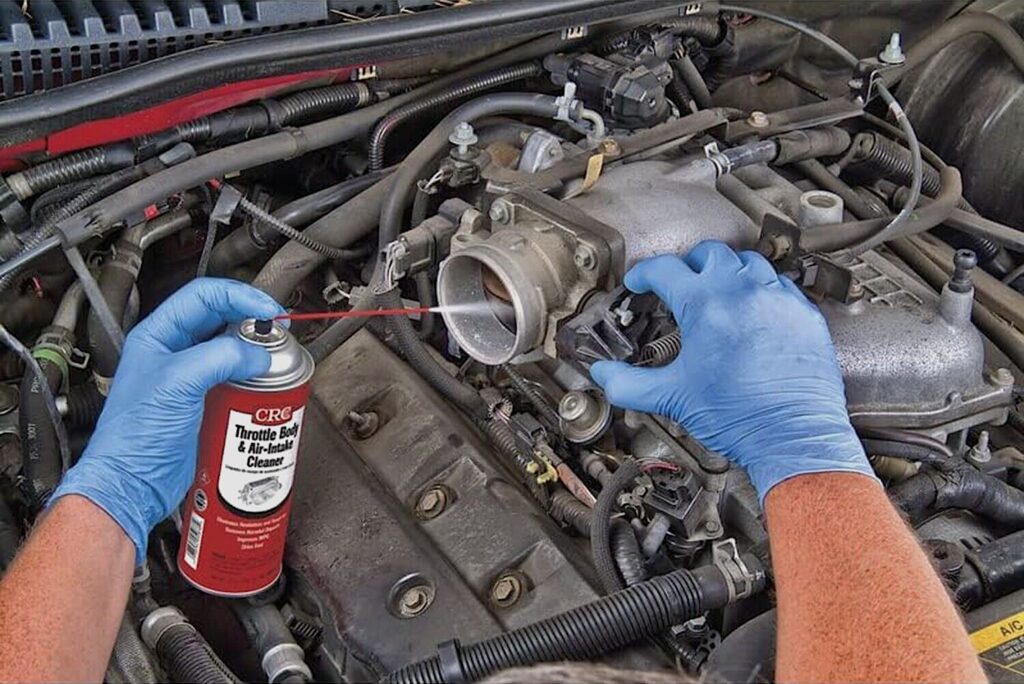
Throttle bodies get dirty over time, especially in places with dusty roads and variable fuel quality. This buildup of carbon, oil residue, and grime can make your engine idle rough, reduce power, or even trigger the check engine light. Regular cleaning restores smooth performance and can improve fuel efficiency. Based on advice from auto manuals and mechanic experiences, doing this every 50,000 kilometers or when symptoms appear keeps things running well without a shop visit. It takes about 30 to 60 minutes, and you save on labor costs. Always work on a cold engine in a well-ventilated area, and consult your car’s manual for specifics.
1. Prepare Your Workspace and Safety Gear
Start by parking on a flat surface and letting the engine cool completely to avoid burns. Disconnect the negative battery cable to prevent electrical shorts or accidental starts. Wear gloves and safety glasses, as cleaner can irritate skin and eyes. Open the hood and secure it. This step ensures everything is safe and ready, reducing risks like fluid spills or tool mishaps.
2. Gather the Necessary Tools and Materials
You need a few basic items: throttle body cleaner (not carb cleaner, as it can damage sensors; get one safe for modern engines like CRC or Berryman brands). A soft brush or old toothbrush for scrubbing, clean rags or paper towels, a screwdriver or socket set for removing clamps and bolts, and possibly a flashlight for better visibility. If your car has an electronic throttle, avoid harsh chemicals. These tools keep the job simple and effective, preventing damage to sensitive parts.
3. Locate the Throttle Body
Find it under the hood, usually attached to the intake manifold. It looks like a metal or plastic valve with a butterfly plate inside, connected to the air intake hose and accelerator cable or sensor wires. In most cars like Toyota Corolla or Honda Civic, it is right on top near the air filter box. Trace the large air duct from the filter to spot it. Knowing its position helps you work confidently without unnecessary disassembly.
4. Disconnect Components Carefully
Remove the air intake hose by loosening the clamps with a screwdriver. Unplug any electrical connectors, like the throttle position sensor, by pressing the tab and pulling gently. Note their positions for reassembly. If there is a vacuum hose, disconnect it too. This exposes the throttle body fully, allowing access without forcing parts that could break.
5. Remove the Throttle Body if Needed
For a thorough clean, unbolt it from the manifold, usually four bolts. Support it as you remove to avoid dropping. Not all cars require this; some let you clean in place by opening the butterfly plate manually. Check your model, older ones might need removal for better access. Taking it off lets you scrub all sides but adds time.
6. Spray and Scrub the Interior
Hold the throttle plate open with your finger or a tool (do not use the accelerator pedal). Spray cleaner generously inside, focusing on the plate edges and bore where buildup is thickest. Let it soak for a minute to loosen grime. Use the brush to gently scrub away carbon deposits, being careful not to scratch surfaces or damage the coating on electronic types. Wipe with rags until clean. Repeat if residue remains. This removes the gunk that restricts airflow.
7. Clean the Exterior and Sensors
Wipe the outside with a damp rag and cleaner, avoiding electrical parts. If there is a mass airflow sensor nearby, clean it separately with MAF-specific spray to prevent codes. Sensors are delicate, so no brushing there. Proper cleaning here ensures no dirt re-enters the system.
8. Reassemble Everything Securely
Bolt the throttle body back if removed, tightening to spec (usually 8 to 10 Nm, check manual). Reconnect hoses, clamps, and wires firmly. Double-check for loose parts. Reattach the battery cable last. This step prevents vacuum leaks that cause rough idling.
9. Test and Reset if Necessary
Start the engine and let it idle for a few minutes. It might run rough at first as cleaner residue burns off, but it should smooth out. Rev gently to check response. If the check engine light stays on, use an OBD scanner to clear codes or drive a bit to relearn idle. Test drive to confirm everything feels normal.
10. Maintain for Long-Term Benefits
Clean every year or 50,000 kilometers in dusty areas to prevent recurrence. Use quality fuel and change air filters regularly to reduce buildup. If symptoms persist after cleaning, it might be a deeper issue like a faulty sensor, so see a mechanic.
This process, drawn from reliable auto sources, revives your engine’s performance affordably. Always prioritize safety and your car’s specifics.