
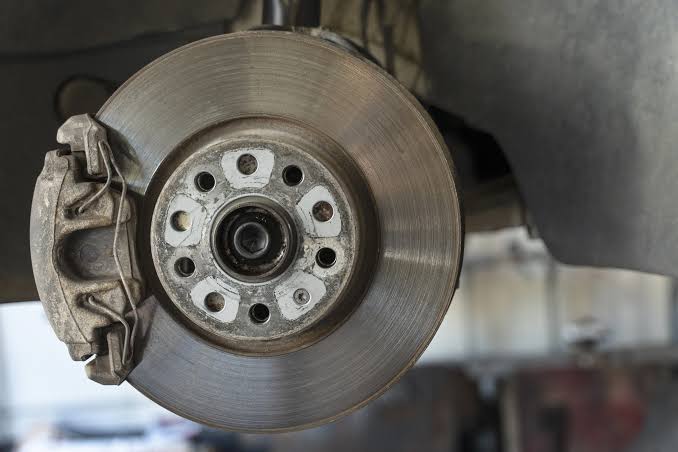
Wheel bearings are those unsung heroes in your car’s wheels that let them spin smoothly while supporting the vehicle’s weight. When they go bad, usually from dirt, water intrusion, or just mileage piling up, they can lead to shaky rides, costly repairs, or even dangerous situations like wheel lockup. Spotting issues early saves you hassle and money, as replacements run $200-500 per wheel. From digging into advice from mechanics on sites like Meineke and Kelley Blue Book, plus real-world tips from auto forums, here’s how to diagnose a failing wheel bearing. These signs build over time, so pay attention during drives. If you notice a couple, get a pro to confirm, DIY fixes aren’t safe here.
1. Listen for Grinding or Humming Noises
The most common red flag is an odd noise coming from the wheels, often described as a low growl, hum, or grinding that gets louder as you speed up. It starts subtle around 30-40 mph and ramps up, sounding like metal rubbing or a distant airplane. This happens because the bearing’s rollers or balls wear down, creating friction without proper lubrication. If it’s constant and tied to speed, not engine RPM, that’s a clue, unlike brake issues, which squeal when stopping.
To pinpoint it, drive on a quiet road and note if the sound changes. For instance, if the noise fades when swerving left but intensifies right, it might be the right front bearing taking less load on that turn. Mechanics use this “swerve test” to isolate the side. Ignoring it can lead to total failure, where the wheel wobbles dangerously. This symptom shows up in about 80% of bad bearing cases, per auto experts.
2. Feel for Vibrations in the Steering Wheel or Seat
Vibrations are another telltale sign, often felt through the steering wheel at highway speeds or in the floor/seat if it’s a rear bearing. It’s not the smooth hum of unbalanced tires but a rough shake that worsens over bumps or at 50-70 mph. Worn bearings let the wheel hub vibrate because they can’t hold steady rotation anymore.
Test this by accelerating gradually on a straight road, if the shimmy starts and stops with speed changes, and isn’t from tires (which vibrate consistently), suspect the bearing. In severe cases, it feels like driving on rumble strips. This can mimic alignment problems, but bearings cause it to pulse irregularly. If left unchecked, it stresses suspension parts like tie rods, leading to pricier fixes. Forums like Reddit are full of drivers mistaking this for tire issues until a mechanic jacks up the car.
3. Check for Uneven Tire Wear
Bad bearings throw off wheel alignment subtly, causing tires to wear unevenly. Look for scalloped edges (cupping) or faster wear on one side of the tread. This “feathering” happens as the wheel wobbles, making inconsistent road contact. It’s not as dramatic as alignment wear but appears patchy, often on the inner or outer shoulders.
Inspect tires monthly: Park on level ground, check tread depth with a penny (Lincoln’s head should be hidden), and feel for dips. If one tire looks worse despite rotations, the bearing might be loose. This sign creeps up over 10,000-20,000 miles and can halve tire life, costing you $100-200 extra per set. Pro tip: Rotate tires every 6,000 miles to spot patterns early.
4. Notice Loose or Wobbly Steering
If your steering feels play,sloppy with extra movement before the wheels respond or the car wanders on straight roads, a failing bearing could be why. It creates excess hub play, making the wheel feel unsecured. At low speeds, you might hear clicking when turning; at high, it’s instability like the car’s floating.
To check, safely grip the wheel at 9 and 3 o’clock while driving straight,if there’s lag or it pulls slightly, note it. This differs from power steering issues, which whine or stiffen. In advanced wear, the ABS light might flicker because sensors detect erratic wheel speed. Don’t ignore this; it affects braking and cornering safety.
5. Perform a Jack-Up Test for Play
For a hands-on diagnosis, jack up the suspected wheel (use stands for safety) and grab the tire at 12 and 6 o’clock, rocking it back and forth. Healthy bearings have zero play; bad ones clunk or move 1/8 inch or more vertically. Then try 9 and 3 for horizontal wobble that points to tie rods, but combined with noise, it’s bearings.
Do this with the car in neutral, spinning the wheel to listen for grinding (it should be silent and smooth). If it growls or feels rough, that’s confirmation. This test is mechanic-standard and safe if you’re careful, wear gloves to avoid hot brakes. Videos from pros show it takes minutes and reveals issues noises alone miss.
6. Watch for Heat Buildup After Driving
After a 20-30 minute drive, carefully touch the wheel hubs (not brakes they’re hot). A bad bearing generates excess friction heat, making that hub warmer than others. Use an infrared thermometer for accuracy; a 20-30 degree difference signals trouble.
This heat comes from unlubricated metal contact and can warp rotors if ignored. It’s a secondary check after noticing noise don’t rely on it alone, as other issues like stuck calipers mimic it. Always compare all four wheels for consistency.
7. Pay Attention to ABS or Traction Light Warnings
Modern cars have wheel speed sensors tied to bearings. When one fails, it sends erratic signals, triggering the ABS, traction control, or stability lights on your dash. This might happen intermittently at first, especially over bumps.
Scan for codes with an OBD-II reader (cheap ones cost $20); common ones like C0035 point to bearing-related sensor faults. Not all bad bearings trigger lights, but if they do with other symptoms, act fast, faulty sensors impair braking in emergencies.
8. Observe Changes in Braking or Acceleration
A worn bearing can make braking feel uneven, with pulling to one side or longer stops because the wheel isn’t stable. During acceleration, especially from stops, you might feel a slight grind or vibration as load shifts.
This ties into overall handling: The car might nose-dive more or sway in turns. It’s subtle but noticeable if you’re attuned to your vehicle’s feel. Combined with noise, it’s a strong indicator.
Spotting a bad wheel bearing early prevents breakdowns and keeps you safe. If symptoms match, visit a shop, they’ll confirm with a lift and tools. Replacements take 1-2 hours per wheel and include new hubs often. Drive habits matter: Avoid potholes, don’t overload, and service every 50,000 miles. Staying vigilant extends your car’s life and avoids roadside surprises.