
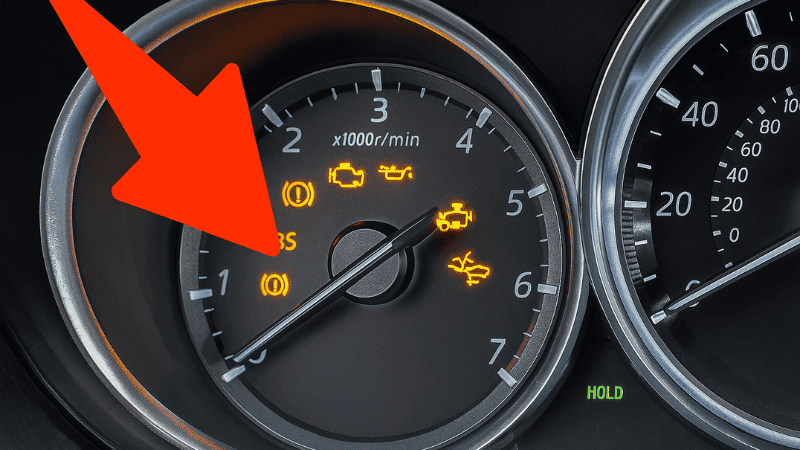
Seeing the ABS light glow on your dash can stir worry, especially during a busy drive. This warning points to issues in the Anti-lock Braking System, designed to keep your wheels from locking during hard stops. Understanding it helps you act fast and stay safe. From mechanic guides and driver reports, the light usually means a detected fault, but your brakes still work normally without the anti-lock feature. Let us unpack what it signals, why it happens, and what to do next.
1. What the ABS System Actually Does
The Anti-lock Braking System prevents wheel lockup in emergencies, letting you steer while stopping. Sensors at each wheel monitor speed, and if one slips, the system pulses the brakes rapidly. Without it, skids are more likely on wet or loose roads. The light illuminates when the computer spots a problem, disabling ABS but keeping standard braking intact. Reports from auto sites note this setup has been standard since the 1990s, saving countless accidents by maintaining control.
2. Immediate Meaning of the Light Coming On
When the ABS light turns on, it indicates the system is offline due to a fault. It could be a sensor glitch, low fluid, or wiring issue. Unlike a brake light that screams “stop now,” this one says “get checked soon.” In many cars, it pairs with other warnings if serious. Diagnostic data shows most triggers are minor, but ignoring it risks reduced stopping power in panic situations.
3. Common Causes Behind the ABS Light
Several factors can trip the light, often linked to wear or debris. Faulty wheel speed sensors top the list, as they read rotation and get damaged by road grime or impacts. A broken sensor sends wrong data, lighting the dash. Low brake fluid from leaks or wear affects hydraulic pressure, impacting ABS operation. Worn brake pads can also trigger it if they rub unevenly. Blown fuses in the ABS circuit are simple but common, especially after electrical work. Damaged wiring, corroded from moisture or age, interrupts signals. Tone wheels on axles, those toothed rings sensors read, crack from potholes, common on our roads. Less often, a failing ABS module, the brain of the system, causes it, though pricey to fix.
4. Safety Implications of Driving with the Light On
You can drive, but cautiously. The ABS is disabled, so brakes behave like older cars without it, meaning wheels might lock in hard stops, reducing steering control. On dry pavement, it is manageable, but rain or gravel heightens skid risk. Driver experiences highlight it is safe for short trips to a mechanic, but avoid highways or bad weather. If the main brake light joins it, stop immediately, as that signals total system trouble.
5. How to Diagnose the Problem Step by Step
Start simple: check brake fluid level in the reservoir under the hood, top up if low with the right type. Inspect fuses in the box, replace any blown. For deeper issues, use an OBD-II scanner, around 10,000 naira, to read codes like C0035 for sensor faults. Visual checks under the car spot damaged sensors or wires near wheels. If codes point to a specific wheel, clean the sensor and tone ring from dirt buildup. Professional scans at shops cost 5,000 to 10,000 naira but pinpoint accurately.
6. Effective Fixes for Common ABS Issues
Fixes depend on the cause. For sensors, cleaning with brake cleaner often works, but replacement runs 15,000 to 30,000 naira per wheel. Topping fluid and bleeding air if low costs little DIY. Fuse swaps are cheap, under 1,000 naira. Wiring repairs might need soldering or new harnesses, 10,000 to 20,000. Rotor or pad issues tie to brake jobs, 50,000 to 100,000 full set. Module replacement is rare and expensive, 100,000 plus. After fixes, reset the light with a scanner or by driving if it clears itself.
7. Prevention Tips to Keep the Light Off
Regular maintenance avoids triggers. Change brake fluid every two years to prevent corrosion. Clean wheel areas during washes to remove grime from sensors. Avoid deep potholes that damage components. Use quality pads to reduce uneven wear. Annual inspections catch early wear, saving bigger bills. In dusty seasons, extra checks help, as buildup is a top culprit here.
Knowing the ABS light’s meaning turns worry into action. It is rarely an emergency but always a prompt for care. Address it promptly for safer drives.