
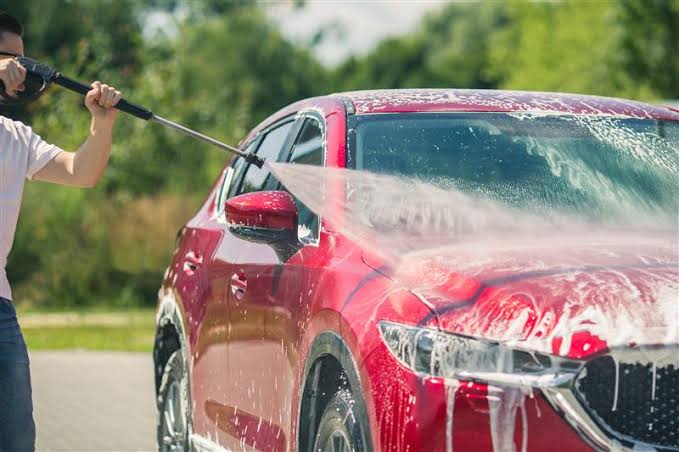
Washing your car regularly keeps it looking sharp and protects the paint from grime that can cause long-term damage, but overdoing it or using the wrong methods strips away the protective clear coat. Finding the right balance depends on where you drive, the weather, and how you wash. From looking at advice from auto detailing experts and real driver experiences, the sweet spot is often every two to four weeks for most people, but that varies. Let us walk through the factors, recommendations, and safe washing tips to keep your paint in top shape without unnecessary wear.
Why Washing Frequency Matters for Paint Protection
Your car’s paint has a clear coat on top that acts as a barrier against UV rays, bird droppings, tree sap, and road salt. Dirt and contaminants sit on this layer, and if left too long, they etch into it, causing fading or scratches. Washing removes them, but harsh soaps, high-pressure sprays, or frequent scrubbing can erode the coat over time. Auto care guides emphasize that inconsistent washing leads to buildup, while too-frequent harsh cleans accelerate dulling. The goal is enough cleaning to prevent damage without stripping oils that keep the paint flexible.
Factors That Determine How Often You Should Wash
Several things influence the ideal schedule. Location plays a big role; if you live in a dusty urban area with heavy pollution or near construction, wash every one to two weeks to avoid abrasive particles grinding into the paint during drives. Rural or coastal spots with salt air or pollen might need the same frequency, as salt corrodes and pollen stains. Weather is another factor, rainy seasons rinse off some dirt but leave water spots if not dried properly, so wash after storms. Dry, sunny periods bake contaminants on, calling for more frequent cleans. Your driving habits count too; daily commuters in traffic pick up more grime than weekend drivers. Garaged cars stay cleaner longer, perhaps needing washes every four to six weeks, while outdoor-parked ones face bird mess and tree sap weekly. Finally, the car’s color and finish matter, dark paints show dirt faster, and matte finishes require gentler care to avoid shine spots.
General Recommendations for Washing Frequency
For average drivers in moderate conditions, aim for every two weeks. This removes buildup without overexposing the paint to water and chemicals. If you drive less than 500 kilometers a week and park indoors, stretch to three or four weeks. Heavy users in polluted cities should wash weekly to prevent etching. Seasonal adjustments help: in dry, dusty harmattan, increase to every 7 to 10 days to combat fine particles that act like sandpaper. During rainy months, every two to three weeks suffices if you rinse off mud promptly. Detailing pros suggest touching the paint, if it feels gritty, wash it. Always prioritize quality over quantity; a gentle wash monthly beats harsh ones weekly.
How to Wash Without Damaging the Paint
The key to safe washing is technique and products. Start with pre-rinsing using low-pressure water to loosen dirt, avoiding high-pressure washers that force grime into crevices and cause micro-scratches. Use a pH-neutral car shampoo designed for automotive paint, not household detergents that strip wax. Mix it in a bucket with warm water for better suds. Employ the two-bucket method: one with soapy water, the other plain for rinsing your mitt, reducing swirl marks from redepositing dirt. A microfiber wash mitt glides gently; avoid sponges that trap particles. Wash from top to bottom in straight lines, not circles, to minimize visible scratches. Rinse thoroughly before drying with a soft microfiber towel or blower to prevent water spots from minerals evaporating on the surface.
For touchless options, automatic car washes with soft brushes are okay occasionally, but hand washing is gentler long-term. Skip hot wax add-on if they contain harsh solvents. After drying, apply a quick-detailer spray for extra protection. Wax or seal every three months to replenish the barrier; this makes future washes easier as dirt slides off. In tests from detailing communities, this approach preserves the clear coat better than aggressive methods, with cars maintaining shine for years.
Special Considerations for Different Car Types
Newer cars with factory clear coats can handle more frequent washes, but older ones with thinner layers need caution, limit to every three weeks and use protective waxes. Matte or wrapped finishes require specific shampoos without gloss enhancers, washing every two weeks to avoid buildup that dulls the texture. Electric vehicles often have sensitive paints, so gentle, pH-balanced products are a must. For black or dark colors that show imperfections easily, add a clay bar decontamination every six months during washes to remove embedded contaminants without abrading.
Common Mistakes to Avoid
Many people wash too often with the wrong tools, like using dish soap that removes protective layers or drying with old rags that scratch. High-pressure rinsing close up blasts off paint flecks. Washing in direct sun causes soap to dry fast, leaving spots that etch if not removed. Skipping pre-rinse drags dirt across the surface, creating swirls. Always test products on a small spot first. Detailing experts note these errors accelerate fading, turning a simple clean into paint damage.
Long-Term Benefits of Proper Washing Habits
Sticking to a balanced schedule not only keeps your car looking good but also maintains resale value, clean paint signals well-cared-for vehicles. It prevents rust from chips caused by unchecked grime and reduces the need for expensive repaints. With consistent care, your paint can last the car’s life without major touch-ups. Think of washing as preventive maintenance, like oil changes, for exterior health.
In summary, wash every two weeks as a baseline, adjust for your situation, and always prioritize gentle methods. This keeps the paint protected without harm, ensuring safe, shiny drives ahead.