
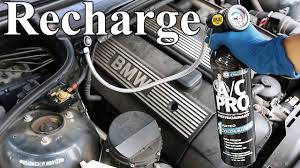
A weak or warm car AC on a sweltering day can turn any drive into misery, especially if you are stuck in traffic. Recharging the system yourself restores that cool blast without a mechanic’s bill, but it requires caution to avoid damage or leaks. From checking out service manuals for common models like Toyota Corolla or Honda Civic, plus real DIYer stories on forums, this process works best for low refrigerant levels, not major issues like compressor failure. If your AC blows warm or cycles oddly, recharging might fix it but always diagnose first. Done right, it takes 30 to 60 minutes and costs ₦5,000 to ₦10,000 in supplies. Note: handling refrigerant needs care, wear safety gear, and check local rules on R-134a cans, as some areas restrict DIY due to environmental concerns.
Understanding When and Why to Recharge
Car AC systems lose refrigerant over time from small leaks or normal evaporation, typically 10 to 15 percent yearly. Symptoms include weak cooling, hissing noises, or the compressor clicking on and off rapidly. Before starting, rule out other problems like a dirty cabin filter (replace if clogged) or low fan speed. Use a manifold gauge set to check pressure low side should read 25 to 45 psi with the AC running at max. If below 25 psi, recharging helps: if zero, there’s a leak needing pro repair. Mechanic insights show overcharging causes frost on lines or compressor strain, so measure accurately. For cars post-2013, use R-1234yf refrigerant instead of R-134a check your manual.
Gather Your Tools and Supplies
You need a recharge kit with a gauge (₦5,000 to ₦8,000 at auto shops), one or two cans of R-134a refrigerant with oil and sealant (₦2,000 each), safety glasses, gloves, and a thermometer for vent checks. A UV dye kit (optional, ₦3,000) helps spot leaks later. Work in shade on a level surface with the engine off initially. Pros recommend kits with low-pressure hoses only to avoid high-side risks.
Step 1: Prepare and Safety Check
Park the car, turn off the engine, and open the hood. Locate the AC lines: the low-pressure port is usually on the larger tube, capped with an L or blue cover (high-pressure is H or red do not touch). Wipe ports clean to avoid contaminants. Start the engine, set AC to max cold, full fan, recirculate off. Insert a thermometer in a center vent should read 4 to 10°C if healthy, warmer means low refrigerant. Wear gear to protect from cold gas burns. If the system is empty, stop and find the leak first, as recharging wastes gas.
Step 2: Connect the Gauge and Check Pressure
Shake the refrigerant can for 30 seconds. Attach the hose to the low-pressure port push until it clicks, but do not force. With the engine running, read the gauge: 25 to 45 psi is normal; below 25 needs charge. If over 50, the system might be overfull or blocked do not add. Guides warn low pressure could indicate a major leak, so add slowly while monitoring.
Step 3: Add Refrigerant Gradually
Hold the can upright (inverted leaks oil wrong). Open the valve slowly, letting gas flow while rocking the can side to side for even mix. Add in 10-second bursts, closing the valve between to check pressure. Aim to reach 30 to 40 psi. Watch the vent temp drop as it charges. One can usually suffices for minor loss; stop if pressure hits 45 psi to avoid overcharge, which strains the compressor. If the clutch does not engage (no click), jump it with a wire or seek help. This step takes 10 to 20 minutes patience prevents issues.
Step 4: Test and Monitor for Leaks
Once charged, disconnect the hose carefully gas may escape, so point away. Run the AC for 10 minutes, checking for cold air (below 10°C) and no noises. Drive around to circulate. Add UV dye if included, then use a blacklight later to spot glowing leaks. Common leak spots: O-rings, compressor seals, or condenser. If the charge holds a week, great; if not, pro inspection needed. Data from auto sites shows 60 percent of DIY recharges succeed if no major leak exists.
Potential Risks and When to Stop
Overcharging freezes lines or blows seals always use the gauge. Wrong refrigerant damages the system (R-134a for most pre-2013 cars). If you smell gas or see oil spots, there’s a leak does not recharge without fixing. Electric AC in hybrids needs special handling; consult the manual. If unsuccessful, a shop recharge with vacuum pull costs ₦15,000 to ₦30,000 but ensures no air in the system.
Maintenance to Avoid Future Recharges
Change cabin and engine air filters yearly to reduce strain. Park in shade to minimize heat load. Run AC weekly, even in cool weather, to lubricate seals. Use recirculate less to dry the evaporator. These habits, from service bulletins, cut recharge needs by half.
Recharging your AC DIY restores comfort affordably if done carefully. With practice, it becomes routine cool drives await.