
Pet hair in your car can turn every ride into a furry nightmare, clinging to seats like it has a mind of its own. If you have a dog or cat that loves shotgun, you know the struggle, hair embeds in fabric, floats in the air, and even triggers allergies. Getting rid of it for good requires a mix of prevention, deep cleaning, and smart tools. From looking at advice from detailing pros and real pet owners’ experiences, the key is tackling it systematically rather than just vacuuming endlessly. Methods like using rubber gloves or lint rollers work for quick fixes but combining them with protective covers and regular habits keeps hair away permanently. Let us go through effective ways to remove and prevent pet hair buildup, based on what actually delivers results without damaging your seats.
Why Pet Hair Sticks and Why It Matters
Pet hair is barbed or textured, which makes it grab onto upholstery fibers, especially in fabric seats. Leather or vinyl sheds it easier, but grooves and seams trap it anyway. Beyond the mess, accumulated hair holds odors, dander, and bacteria, affecting air quality inside the car. In humid weather, it can lead to mold if mixed with spills. Owners on forums like Reddit’s r/AutoDetailing report that ignoring it worsens stains and wear over time. The good news is that with the right approach, you can remove 90 percent or more in one session and keep it minimal afterward. Prevention starts with understanding your pet’s shedding, breeds like Labs or Huskies drop more, so adjust accordingly.
Quick Removal Tricks for Light Shedding
For everyday hair, start with simple, no-cost methods. Rubber gloves are a pro favorite: dampen them slightly, put them on, and rub in circular motions over the seats. The rubber creates static that pulls hair into clumps for easy pickup. In tests shared by detailing channels, this lifts loose fur better than brushes on fabric. Follow with a lint roller for stragglers, press and roll without pulling too hard to avoid fabric pills. These work best on dry seats; wet hair sticks more. If you drive often with pets, keep gloves in the glove box for spot cleans after rides. This combo removes surface hair in under 10 minutes without vacuums.
Deep Cleaning for Embedded Hair
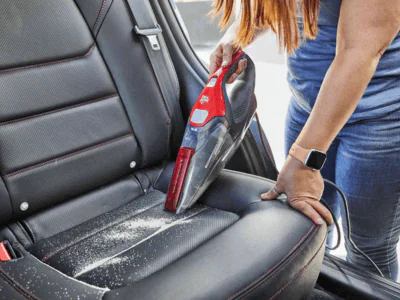
When hair digs in, bring out the vacuum with attachments. Use a crevice tool for seams and a soft brush head for broad areas to avoid scratching leather. Pros recommend shop vacs over household ones for stronger suction. Pre-treat by spraying a fabric cleaner or diluted vinegar solution (1:1 with water) to loosen grips, then agitate with a stiff brush before vacuuming. For stubborn spots, a pet hair remover stone, those pumice-like blocks, rubs gently to lift fur without harming material. User trials show this method clears 80 percent of embedded hair in 20 minutes. On leather, wipe with a leather conditioner after to restore moisture, as dry surfaces attract more static and hair.
Steam Cleaning for Thorough Results
Steam cleaners melt away oils that bind hair, making removal effortless. Handheld units like the McCulloch MC1275 heat water to vapor, which penetrates fibers without soaking them. Run the steamer over seats in slow passes, then wipe with microfiber as hair loosens. Detailing experts note steam kills bacteria too, reducing odors. In comparisons from auto care sites, steam outperforms dry methods on heavily shedded cars, lasting longer between cleans. Avoid on perforated leather to prevent water damage; test a small spot first. This takes 30 to 45 minutes but leaves seats like new.
Prevention Strategies to Keep Hair Away
Removal is half the battle; stopping hair from sticking is the forever fix. Seat covers are game-changers waterproof, pet-proof ones like those from BarksBar slip on and off, catching hair before it embeds. Wash them weekly. Cargo liners or hammocks for back seats contain fur during rides. Groom your pet before trips with a deshedding tool like the Furminator to reduce loose hair. Install air purifiers or use vent clips with HEPA filters to capture airborne dander. Pros suggest applying a fabric protectant like Scotchgard after cleaning to create a barrier that repels hair. These steps, from pet owner testimonials, cut cleaning time by half over months.
Tools and Products That Make It Easier
Invest in a few items for long-term success. The ChomChom Roller uses static to grab hair in one direction, reusable without sticky sheets. For vacuums, the Bissell Pet Hair Eraser has turbo brushes designed for fur. Natural remedies like baking soda sprinkled and vacuumed after 15 minutes absorb oils and lift hair. Avoid duct tape or harsh brushes that pull fibers. Product roundups highlight these as top-rated for efficiency, with users reporting cleaner seats after consistent use.
Common Mistakes and How to Avoid Them
Many people vacuum dry without agitating, leaving hair behind. Always brush first. Using too much water soaks seats, breeding mold, stick to damp methods. Skipping prevention means constant re-cleaning; combine with covers for lasting results. On leather, avoid oil-based cleaners that attract dust. Test products on hidden areas to prevent discoloration.
With these approaches, drawn from reliable detailing sources, you can banish pet hair for good. Start with a deep clean, then maintain weekly, and your car stays fur-free and fresh.