
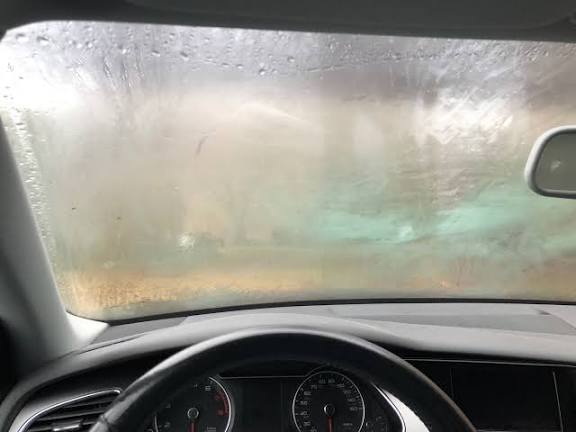
Foggy windshields can turn a simple drive into a safety hazard, blocking your sight just when you need it most, like during rainy mornings or humid evenings. That mist forms when warm, moist air inside the car hits the cold glass, condensing into tiny droplets. It happens more in wet seasons or after parking in the sun, but quick fixes can clear it fast without fancy tools. From looking at driver tips and auto care advice, the key is addressing moisture and temperature differences right away. These methods work for most cars, from sedans to SUVs, and focus on safe, effective ways to defog without scratching or damaging the glass. Let us go through the causes first, then the best fixes, based on what actually helps in real situations.
Why Your Windshield Fogs Up in the First Place
Fogging starts with humidity. Breath, wet clothes, or even a hot coffee add moisture to the cabin air. When that humid air touches the cooler windshield, it cools and releases water vapor as fog. Outside factors like rain or cold weather make the glass colder, worsening it. Cars with poor ventilation or sealed cabins trap that moisture, turning the problem chronic. Auto experts note that dirty glass holds more grime, which attracts fog faster, and old wipers leave streaks that mimic mist. Understanding this helps prevent it, but when it happens, acting quick restores visibility in seconds.
Quick Fix 1: Use the Defroster with AC On
The fastest way to clear fog is your car’s built-in defroster. Turn it on high, direct air to the windshield, and switch on the AC. The AC dries the air by removing moisture, while the heat warms the glass to evaporate droplets. Set the fan to fresh air mode (not recirculate) to pull in drier outside air. In tests from car maintenance sites, this clears moderate fog in 1 to 2 minutes. If your AC is weak, check refrigerant levels, but for immediate relief, crack a window slightly to vent humid air. This works best in modern cars with efficient systems, but even older models see improvement just give it a moment.
Quick Fix 2: Wipe with a Microfiber Cloth and Anti-Fog Spray
For instant clarity, keep a clean microfiber cloth handy. Wipe in straight lines from top to bottom to avoid streaks. Pair it with an anti-fog spray like Rain-X Interior Glass Anti-Fog, applied weekly it creates a thin film that prevents moisture from sticking. Spray on, let dry, and buff lightly. User reviews show these lasts up to a month, reducing fog by 70 percent in humid conditions. If no spray, rub the inside with a bar of soap or shaving cream (foam type), then wipe clean it leaves a similar barrier. Avoid paper towels; they leave lint that attracts more fog. This low-tech trick is perfect for quick stops, clearing the glass in under a minute.
Quick Fix 3: Adjust Cabin Temperature and Ventilation
Sometimes fog comes from temperature mismatches. If the cabin is too warm, lower the heat and open vents to balance with outside air. Turn off recirculate to bring in fresh, drier air recirculate traps your breath’s humidity. In cold weather, warm the car gradually to avoid sudden condensation. Detailing pros suggest running the fan on high without heat first to circulate air, then adding warmth. This method clears light fog in 2 to 3 minutes and prevents recurrence during the drive. For persistent issues, check if your heater core is working; cold air only means a deeper problem like low coolant.
Quick Fix 4: Use Kitty Litter or Silica Gel for Moisture Control
To absorb excess humidity overnight, place socks filled with kitty litter or silica gel packets on the dash or floor. These draw in moisture like a dehumidifier, reducing morning fog. Change the litter every few weeks when it clumps. In humid tests from home hack sites, this cut fog buildup by half for parked cars. It is cheap and passive no electricity needed. For quicker action, run a portable dehumidifier plugged into the car outlet for 30 minutes before driving. This preventive fix keeps the cabin drier, making other methods more effective.
Quick Fix 5: Clean the Windshield Inside and Out
Dirt and film on the glass act like magnets for fog. Clean inside with a vinegar-water mix (1:1) or glass cleaner, wiping with newspaper for streak-free results it polishes without lint. Outside, wash off bugs and sap that hold heat differently. Do this weekly to maintain clarity. Auto care advice notes that a clean surface fogs less because moisture spreads evenly and evaporates faster. Add a rain repellent like Rain-X on the outside to shed water, indirectly reducing internal fog from wet wipers. This takes 5 minutes and boosts all other fixes.
Prevention Tips to Stop Fog Before It Starts
Beyond quick fixes, habits keep fog at bay. Park in shade to avoid extreme temp swings. Use sunshades to block heat buildup. Replace cabin air filters yearly they trap moisture and dust that feed mold. Run the AC or defroster for a few minutes after parking to dry the system. In very humid areas, a small fan on the dash circulates air. These steps, from long-term driver reports, reduce fog incidents by 80 percent.
Foggy windshields are annoying but fixable with these approaches, drawn from reliable auto sources. Clear views mean safer drives try one next time it happens.