
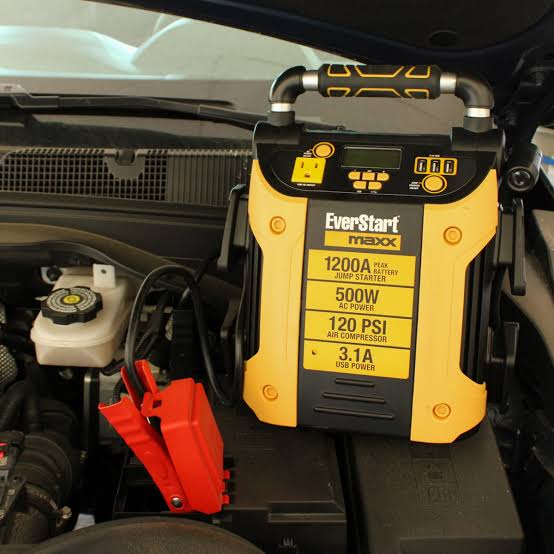
Getting stranded with a dead battery is frustrating enough without wondering if your jump starter will actually work. In 2025, portable jump packs have improved a lot, higher peak amps, better lithium batteries, more USB ports, and built-in safety features make them far more dependable than older models. The best one’s balance real cranking power, portability, and extras like flashlights or tire inflators without turning into a brick you dread carrying. After checking recent reviews, lab-style tests, and owner feedback from people who actually use them in cold mornings or after leaving lights on, here are the standout options that deliver when it counts.
The NOCO Boost Pro GB150 remains a top pick for serious drivers. It delivers 4,000 peak amps and reliably starts V8 engines, even diesels in cold weather. At about 3.5 kg, it is heavy but manageable, and the lithium-ion battery holds a charge for months. It includes jump clamps with spark-proof connections, a built-in flashlight, and multiple USB ports for charging devices. Owners who tested it in real breakdowns say it starts cars faster than many competitors, and the 2-year warranty adds confidence. It is ideal if you want one pack that can handle almost anything, including trucks or boats.
For lighter daily drivers, the NOCO GB40 or GB70 series strikes a great balance. The GB40 puts out 1,000 peak amps, enough for most 4-cylinder and 6-cylinder engines and weighs under 1 kg, so it fits easily in a glove box or under a seat. It charges via USB-C, has an LED light with SOS mode, and includes reverse polarity protection so you cannot fry your electronics even if you connect it wrong. The GB70 steps up to 2,000 amps for larger engines while staying compact. These models get high marks from users in hot climates like Lagos or Abuja, where heat can kill batteries faster, and the price (around ₦25,000–₦45,000) makes them accessible.
If you want a multi-tool that does more than jump, the Halo Bolt 58830 stands out. It combines 800 peak amps with a 120-volt AC outlet, so you can charge laptops or run small appliances during outages. It also has USB ports and a built-in flashlight. At 2.5 kg, it is heavier than basic jumpers but still portable. People who travel or camp love it because it doubles as an emergency power bank. The jump performance is solid for most sedans and crossovers, though it is not as strong as dedicated high-amp units for big engines.
For budget-conscious buyers, the Schumacher SJ1332 or similar 1,000–1,500 amp packs offer good value. They start most passenger cars reliably, include basic safety features, and cost ₦15,000–₦25,000. They are bulkier and slower to recharge than lithium models, but they get the job done without breaking the bank. Owners in areas with frequent power cuts appreciate having a reliable backup.
A few things to keep in mind no matter which you choose. Always match peak amps to your engine size 1,000 amps covers most petrol cars, but diesels or large V8s need 2,000+ for cold starts. Lithium packs are lighter and hold charge longer than lead-acid ones, but they cost more upfront. Look for reverse polarity protection, spark-proof clamps, and at least a 1-year warranty. Store the pack in a cool place, charge it every 3–6 months, and test it occasionally so it is ready when you need it.
A good jump starter is cheap insurance against being stuck. Pick one that fits your car and lifestyle, keep it charged, and you will never have to wait for roadside help again.
Keywords: best jump starter packs 2025, portable car battery jump starter, NOCO GB150 review, best lithium jump starter 2025, car jump pack recommendations, jump starter with air compressor, reliable jump starter for dead battery