
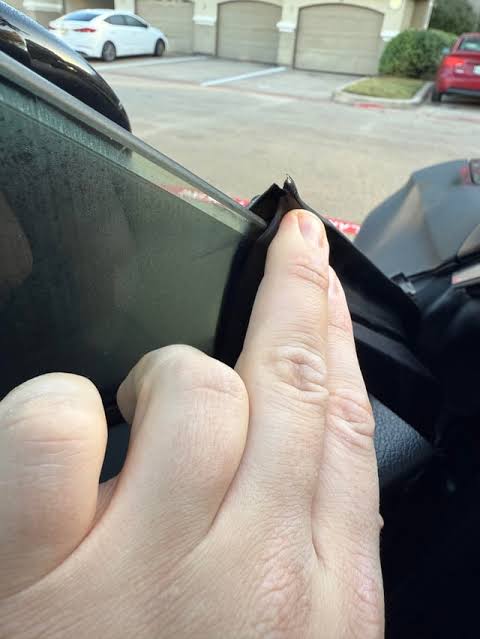
Wind noise coming through the windows is one of those things that starts as a faint whistle at highway speeds and quickly becomes exhausting. It makes conversations harder, music less enjoyable, and long drives feel tiring. The good news is that most wind noise is caused by small, fixable gaps or misalignments rather than major structural problems. From reading through owner forums, mechanic advice, and tests shared by detailing communities, the noise almost always comes from worn weatherstripping, misaligned door frames, or dirty seals letting air rush in. Here is a clear, step-by-step guide to track down the source and quiet things down without spending a fortune.
1. Identify Where the Noise Is Coming From
Start by driving at the speed where the noise is loudest (usually 80–120 km/h). Roll each window down and up slowly while listening carefully. If the noise changes or stops when a particular window is slightly open or closed, that window is the culprit. Have a passenger press gently on different parts of the door frame, window seal, and mirror area while you drive. If pressing one spot quiets the whistle, that is your leak point. Most people find the front windows are the loudest offenders because they face the wind directly.
2. Clean and Inspect the Weatherstripping
Dirt, old wax, and grime build up in the rubber seals around the windows and doors, creating tiny gaps where air sneaks through. Open each door and wipe the entire weatherstripping with isopropyl alcohol or a dedicated rubber cleaner to remove residue. Look for cracks, flattening, or sections that have pulled away from the door frame. Clean the glass channel where the window sits when closed—use a soft brush and alcohol to remove any buildup. A clean, smooth seal makes a surprising difference because it lets the window sit tighter against the rubber.
3. Adjust the Window Alignment
Many wind noises come from the window not sitting perfectly flush when fully closed. On most cars, you can adjust this yourself. Lower the window halfway, then use the window switch to raise it while gently pushing the top of the glass inward toward the seal. Some models have adjustment screws behind the door panel or in the regulator mechanism—check your manual or a quick online search for “window adjustment [your car model]”. On others, the door striker plate (the metal loop the door latch grabs) can be loosened and moved slightly to pull the door tighter against the body, which compresses the seal better. Tighten everything and test at speed.
4. Replace Worn or Damaged Seals
If cleaning and adjusting do not help, the rubber itself is probably shot. Door weatherstripping is inexpensive—aftermarket kits for popular cars like Corolla or Civic run ₦8,000 to ₦15,000. Remove the old seal by pulling it out of the channel (it usually just presses in), clean the channel thoroughly, and press the new one in starting from one corner. Work your way around, making sure it sits evenly without twists. For the window run channel (the vertical rubber the glass slides in), replacement is trickier but doable with patience—many owners do it in an afternoon. A new seal often eliminates 80–90% of wind noise because it restores the tight fit the factory designed.
5. Extra Steps for Stubborn Noise
If the main door seals are good but noise persists, check the side mirror seals and A-pillar trim. Small gaps around the mirror base let wind rush in—apply foam weatherstripping tape behind the mirror trim if it is loose. On some cars, the door striker plate adjustment (moving the latch loop slightly inward) compresses the door seal more and quiets things down. A thin bead of clear silicone along the top of the door frame can bridge tiny gaps without looking obvious. Test each change on the highway to confirm what worked.
Quick Prevention Tips
Keep the seals clean and conditioned with silicone spray every few months to prevent cracking. Park in shade when possible to reduce heat damage to rubber. Avoid slamming doors hard, as that stresses the seals and alignment. Regular cleaning also removes grit that holds the window slightly away from the seal.
Wind noise is rarely a big structural issue—it is usually just age and wear. Start with cleaning and pressing on panels while driving, then move to seals and adjustments. Most drivers quiet their cars significantly with these steps, and the drive becomes much more peaceful.