
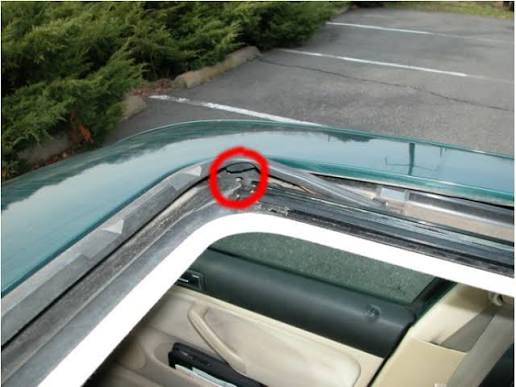
A sunroof leak is one of those problems that starts small—a few drops on the headliner after rain—then turns into soaked seats, mold smells, and expensive interior damage if ignored. The good news is that most leaks are straightforward to diagnose and fix at home or with minimal shop help. From reading through owner forums, service manuals for models like Toyota, Honda, BMW, and VW, and mechanic write-ups, the vast majority of sunroof leaks trace back to the same handful of issues: clogged drains, worn seals, misaligned glass, or cracked housing. Here is a clear breakdown of the most common causes and how to address them, based on what reliably solves the problem for everyday drivers.
1. Clogged Sunroof Drain Tubes
This is by far the number one reason sunroofs leak. Every sunroof has four small drain tubes (one at each corner) that carry water from the tray under the glass down through the A-pillars and C-pillars to the ground. Leaves, pine needles, dust, and road grime block these tubes over time. Water has nowhere to go, backs up in the tray, and eventually overflows into the headliner or onto the seats.
To check, open the sunroof and pour a small amount of water into each corner of the tray while someone watches underneath the car. Water should exit cleanly near the bottom of the door pillars. If it does not, the tube is blocked. Clear it by feeding a thin, flexible wire (a straightened coat hanger or weed trimmer line works well) down the drain hole until you feel resistance, then gently push or twist to break up the clog. Flush with a garden hose on low pressure or compressed air. Many owners report success with compressed air cans or a shop vac blowing air backwards. Do this every year or two, especially after heavy leaf seasons. A bottle of compressed air costs almost nothing and prevents most overflow leaks.
2. Worn or Shrunk Weatherstripping Seals
The rubber seal around the sunroof glass and the tray perimeter keeps water out when closed. Sun, heat, and age make the rubber harden, crack, or shrink, letting water seep past. You will usually see water stains on the headliner directly under the glass edges or along the front or rear of the roof.
Inspect the seal for cracks, flattening, or gaps. Clean it with isopropyl alcohol and a soft brush to remove grime that hides small tears. If the rubber is just dry and hard, apply a rubber conditioner like 303 Aerospace Protectant or silicone spray (avoid petroleum-based products that degrade rubber). For minor gaps, a thin bead of clear silicone sealant applied to the seal lip can bridge small imperfections—wipe excess immediately so it does not smear on the glass. If the seal is cracked or missing chunks, replacement is the only reliable fix. Aftermarket seal kits for popular models cost ₦10,000 to ₦25,000, and installation is usually a matter of pulling the old one out and pressing the new one in. Many owners do this in an afternoon.
3. Misaligned or Sagging Sunroof Glass/Panel
If the glass or sliding panel does not sit flush when closed, water sneaks under the seal. This happens from worn hinges, loose mounting screws, or cables that stretch over time. You might notice uneven gaps around the edges or hear wind noise at highway speeds.
To check alignment, close the sunroof and look at the gaps from outside—they should be even all around. Open and close it a few times while watching for binding or tilting. On most cars, adjustment screws are accessible from inside the headliner or under the trim panels near the sunroof motor. Loosen the screws slightly, reposition the panel so it sits level and centered, then tighten. Manuals for Honda and Toyota show the exact screw locations and torque specs (usually 5–8 Nm). If the panel sags badly, the lift arms or cables may be worn, replacement is a bigger job but still DIY-able with patience.
4. Cracked Sunroof Tray or Housing
The plastic tray under the glass collects water before it drains. Over years, UV exposure and temperature cycles make the plastic brittle, leading to hairline cracks. Water drips directly into the headliner instead of the drains. This is more common in older cars or those parked in direct sun for long periods.
Look for water stains on the headliner under the sunroof or feel for dampness after rain. Remove the headliner trim or drop the headliner slightly to inspect the tray. Small cracks can be sealed with clear silicone or plastic repair epoxy. Larger damage usually requires tray replacement, which involves removing the sunroof assembly, a full-day job best left to a shop unless you are comfortable with interior disassembly. Cost for parts and labor typically runs ₦50,000 to ₦120,000 depending on the model.
5. Blocked or Damaged Drain Outlets
Even if the tubes are clear, the exit holes at the bottom of the pillars can clog with dirt or get pinched by rust or accident damage. Water backs up and overflows. Check for wet carpets in the footwells or stains on the lower A-pillar trim. Clear the outlets with a wire or compressed air, and make sure the rubber grommets at the exit are intact. Replace any cracked grommets (cheap, ₦1,000–₦3,000) to stop leaks at the source.
Prevention Tips to Avoid Future Leaks
Keep the sunroof tray clean, open it periodically and vacuum or blow out debris. Apply rubber conditioner to seals twice a year to keep them supple. Park in shade, when possible, to reduce heat stress on plastic parts. Run the sunroof open and close fully once a month to exercise the mechanism and prevent sticking. These habits, combined with annual drain checks, stop most problems before they start.
Sunroof leaks are annoying but rarely catastrophic if caught early. Start with a drain test and seal inspection, nine times out of ten, that solves it. A few minutes of prevention and maintenance keeps the cabin dry and your drives comfortable.