

Car breakdowns are part of life on Nigerian roads. Potholes jar every part, bad fuel clogs systems, and the heat cooks batteries faster than anywhere else. Knowing how to troubleshoot basic issues can save you time, money, and the hassle of waiting for a mechanic in the middle of nowhere. These tips focus on common problems like no-start conditions, overheating, strange noises, and electrical glitches. They are straightforward fixes you can try yourself, based on what works for drivers dealing with everything from Lagos traffic to Abuja highways. Always prioritize safety pull over safely, turn on hazards, and if unsure, call a pro.
No-Start: When the Engine Won’t Turn Over
If you turn the key and get nothing but clicks or silence, start with the battery. In our hot weather, batteries die every 2–3 years. Check terminals for white corrosion—clean with baking soda and water, then tighten. If lights dim when you try starting, the battery is weak; jump it with cables from another car (positive to positive, negative to ground). If it starts but dies soon after, the alternator is not charging—test voltage at the battery with a multimeter (should be 13.7–14.7 volts running). For fuel issues, listen for the pump hum when you turn the key to ON (not start)—no hum means a bad pump or relay, common with adulterated petrol. Spark plugs foul from bad fuel too; replace every 30,000 km. If the starter clicks but no crank, tap it lightly with a hammer while someone turns the key—it frees stuck solenoids temporarily until you replace it (₦15,000–₦30,000).
Overheating: Steam or Hot Gauge
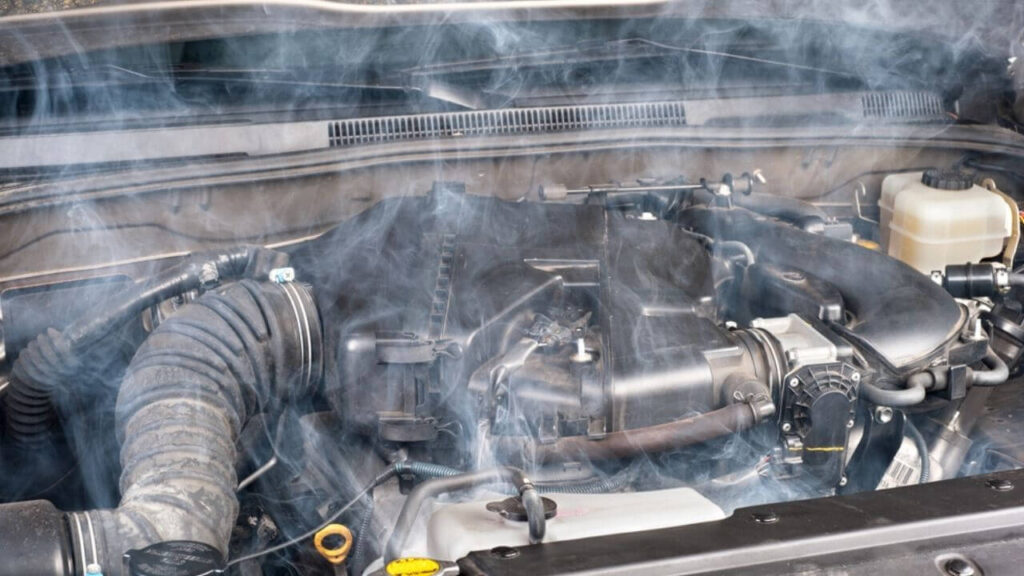
Overheating hits hard in traffic, where idling with no airflow cooks the engine. Low coolant is the top cause—check the reservoir when cold; it should be between min/max. Top up with a 50/50 antifreeze-water mix, but use distilled water to avoid mineral clogs. Leaks from hoses or the radiator are common; look for wet spots under the car. A stuck thermostat blocks coolant flow—replace it during service (₦5,000). Dirty radiators clog with dust; clean fins monthly with low-pressure water (cover alternator first). If the fan does not spin, check the fuse or relay—bad fans cause 30 percent of overheating. Pull over immediately if steaming; wait 30 minutes to cool before adding fluid to avoid burns or cracks.
Strange Noises: What They Mean
Noises give clues before big failures. A squealing belt under the hood means it is loose or worn—tighten or replace (₦5,000) to avoid alternator or pump issues. Grinding when braking points to worn pads—inspect thickness (replace under 3mm, ₦10,000–₦20,000). Knocking from the engine could be low oil or bad fuel—check levels and use better petrol. Whining when turning is low power steering fluid—top up and check for leaks. Rattling exhaust means loose hangers or a broken muffler—secure or replace to avoid CO leaks. Listen during drives; early fixes prevent breakdowns.
Electrical Glitches: Lights, AC, or Dash Issues
If lights flicker or the AC blows warm, start with the battery and alternator. Loose terminals cause intermittent power clean and tighten. A failing alternator shows as dim lights at idle but bright when revving test output (13.7–14.7 volts). Blown fuses are quick fixes check the box under the hood or dash, replace with the same amp rating (₦500). For AC, low refrigerant causes warm air recharge with a kit (₦5,000) if no leaks. Dash warning lights need an OBD scanner (₦10,000 tool) codes like P0420 point to specific fixes.
Preventive Habits for Fewer Breakdowns
Change oil every 5,000 km with synthetic for heat resistance. Rotate tires every 10,000 km for even wear. Flush coolant every 40,000 km. Use quality fuel from major stations to avoid clogs. Carry a kit: jumper cables, tire iron, spare fuses, coolant, oil, and a flashlight. These habits extend engine life and reduce surprises.
Troubleshooting empowers you to handle basics without always calling a mechanic. Start with safe, easy checks like fluids and connections. If it feels beyond you, stop and get help better safe than stranded.