
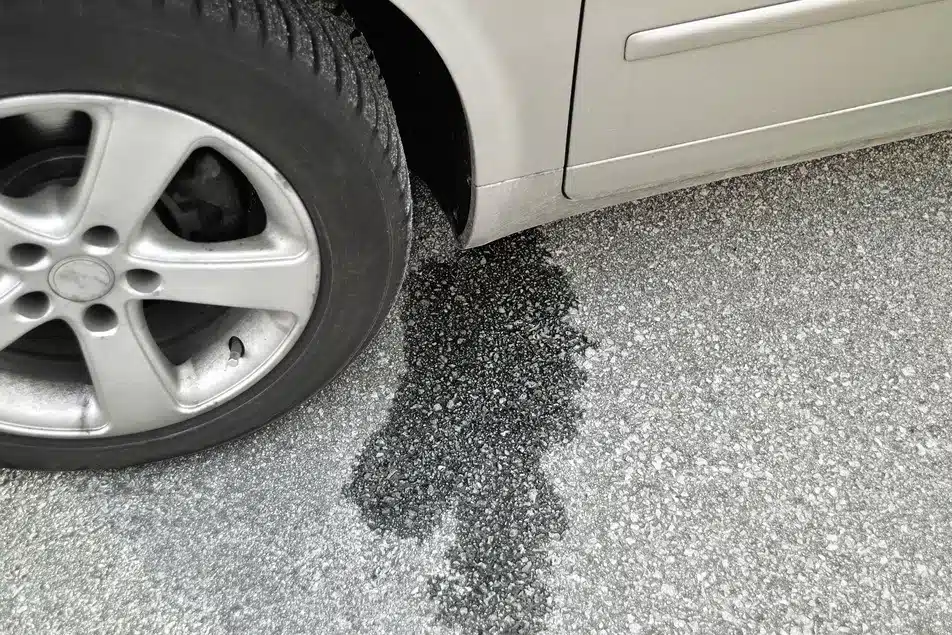
Spotting a puddle under your car after parking can spark instant worry is it serious, or just condensation? Car leaks are common issues that, if ignored, can lead to breakdowns or expensive fixes. From my research chatting with mechanics and reviewing auto guides, I’ve learned that identifying leaks early saves hassle. This post breaks down how to spot the most frequent ones, what they mean, and steps to take. We’ll cover oil, coolant, transmission fluid, brake fluid, power steering fluid, and more. Knowing these signs keeps your vehicle safe and reliable. Let’s get started.
Start by observing the leak’s location. Fluids drip from specific areas, giving clues. For example, a spot under the front might point to the engine or radiator, while one in the middle could be transmission related. Note the color, smell, and texture these are key identifiers. Always check when the car is cool to avoid burns and use a flashlight for better visibility under the hood or chassis. If you’re unsure, snap photos and consult a pro, but many leaks you can diagnose yourself with basic know-how.
Oil leaks are the most widespread, often from worn gaskets or seals. Engine oil keeps parts lubricated, so low levels cause overheating or seizures. Look for dark brown or black puddles, slick and oily to the touch. It might smell like burnt toast if it’s leaking onto hot parts. Common spots: under the engine block or near the oil pan. To confirm, check your dipstick if the level drops between changes, that’s a red flag. Pop the hood and inspect valve covers or the oil filter for wet residue. Driving habits matter; high-mileage cars burn or leak more. Fix it by tightening bolts or replacing seals DIY if simple, but pros handle major ones to avoid contamination.
Coolant leaks come next, critical since coolant regulates engine temperature. Overheating from low coolant warps heads or blows gaskets. Spot it by bright green, pink, or orange fluid sweet-smelling and watery, not oily. It might leave white crusty deposits where it evaporates. Check under the radiator or hoses; leaks often show as damp spots or steam from the engine bay. Open the coolant reservoir (when cold) and see if levels drop. Pressure test kits from auto stores help pinpoint cracks. Causes include corroded radiators or failed water pumps. Top off with the right mix but address the source quickly summer heat amplifies problems.
Transmission fluid leaks affect shifting and can strand you. This red or brown fluid, sometimes with a sweet or burnt odor, lubricates gears. Leaks appear under the transmission pan or lines, feeling slippery like oil but thinner. Automatic transmissions use dexron-type fluid; check the dipstick (engine running, in park) for low levels or foamy appearance, signaling air ingress. Manual transmissions might leak gear oil, thicker and with a sulfur smell. Seals or pan gaskets wear out from age or impacts. Driving with low fluid overheats the unit, leading to slips or failures. A shop visit for resealing is usually needed, as it’s messy work.
Brake fluid leaks are safety hazards, reducing stopping power. This clear to light yellow fluid, hygroscopic (absorbs moisture), turns darker over time. It smells fishy or like alcohol. Look for wet spots near wheels, master cylinder, or lines puddles under tires signal caliper or hose issues. Press the brake pedal; if it’s spongy or sinks, air or low fluid is likely. Check the reservoir under the hood levels below min mean trouble. Never drive far with suspected brake leaks; it risks failure. Causes: corroded lines in salty areas or worn seals. Flush and replace every two years prevents this.
Power steering fluid leaks make turning tough, especially at low speeds. Similar to transmission fluid red or clear, oily it might whine when low. Spots under the steering rack or pump, or damp hoses, are signs. Smell is often musty. Check the reservoir; foaming indicates air. Leaks from high-pressure hoses or seals due to heat cycling. Top off but fix promptly to avoid pump damage. Some cars use ATF for steering, so match the spec.
Fuel leaks are rare but dangerous, from lines or injectors. Gasoline is clear with a strong, volatile smell, evaporates fast, leaving stains. Diesel is oily, yellowish. Check under the fuel tank or engine for wetness; vapors mean fire risk. Never ignore; get towed if suspected.
Windshield washer fluid leaks are minor blue, soapy, watery from cracked reservoirs or hoses. Easy fix but check for blockages too.
Other leaks: AC refrigerant (oily, with dye) hisses or leaves frost; exhaust (sooty water) is normal condensation unless excessive.
To diagnose accurately, place cardboard under the car overnight, note the spot’s position and fluid traits. Track how fast it leaks; slow drips might wait; rapid ones need immediate attention. Clean the area after spotting to monitor recurrence.
Prevention helps: Regular inspections, fluid changes on schedule, and gentle driving reduce wear. Use quality parts; cheap seals fail faster. In research from auto forums and service bulletins, heat, age, and poor maintenance top causes.
If leaks persist, see a mechanic, diagnostic tools like UV dyes reveal hidden ones. Costs vary oil gasket $100-300, transmission rebuilds $1,000+.
In the end, identifying leaks boils down to observation and basics. Stay vigilant, and your car thanks you with fewer surprises. Keywords like “car leak identification” or “spotting engine fluid leaks” guide folks here, but action keeps you rolling safely.