
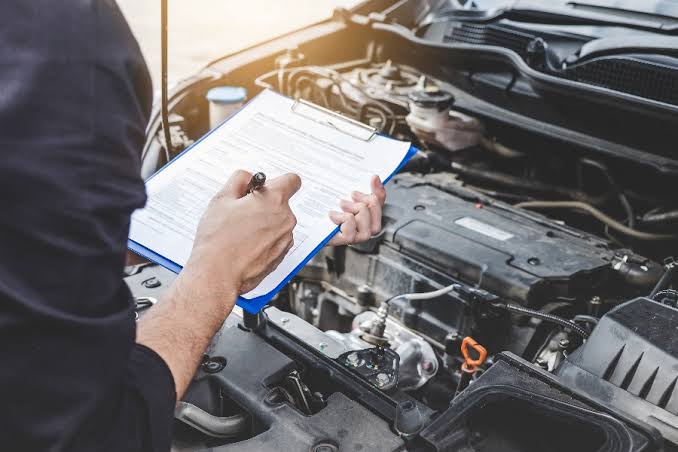
Driving in Nigeria comes with its own set of challenges, from pothole-riddled roads in Lagos to dusty highways up north or rainy floods in the south. If you’re behind the wheel here, you know a reliable car isn’t just convenient, it’s essential for getting through the day without breakdowns or worse. Regular car inspections might seem like extra hassle, but they’re a smart move that pays off big time. Drawing from insights by the Federal Road Safety Corps (FRSC), local mechanics I’ve spoken with, and maintenance guides tailored to tropical climates, this post explores why scheduling those check-ups keeps you safer, saves money, and extends your vehicle’s life. Let’s break it down.
Safety stands out as the top benefit. Nigerian roads see heavy traffic, unpredictable weather, and sometimes poor infrastructure, making accidents more likely. A thorough inspection spots issues like worn brakes, faulty lights, or loose steering before they cause trouble. For instance, during the rainy season, hydroplaning on wet roads is common if tires lack proper tread. Mechanics check tread depth and alignment, ensuring better grip. The FRSC reports that faulty vehicles contribute to over 20 percent of crashes here regular inspections cut that risk. Think about it: a quick brake test could prevent a rear-end collision in stop-and-go Abuja traffic. Beyond that, inspections verify seatbelts, airbags, and horns work, adding layers of protection for you and passengers. In a country where emergency services might take time to arrive, preventing problems upfront is key.
Cost savings follow closely, especially with Nigeria’s economy in mind. Fuel prices fluctuate, and repair bills add up fast if small issues grow. Regular inspections catch leaks, like oil or coolant, early fixing a drip costs far less than replacing an overheated engine. From what auto experts in Onitsha markets say, ignoring minor wear leads to major failures, like a seized transmission from low fluid. Schedule checks every 5,000 to 10,000 kilometers, depending on your driving more often if you tackle rough terrains like those in Enugu hills. This proactive approach avoids towing fees or downtime, which hurts if your car is your livelihood, say for ride-hailing in cities. Plus, well-maintained cars use less fuel; aligned wheels and clean filters improve efficiency by up to 10 percent, easing the bite of pump prices.
Extending your car’s lifespan is another major win. Heat, humidity, and dust in Nigeria accelerate wear on parts. Inspections include checking belts, hoses, and batteries, which degrade faster in our climate. A battery might last three years elsewhere, but here, corrosion from moisture shortens it—testing voltage during inspections prevents sudden failures. Suspension and shocks take a beating from potholes; early detection stops further damage to axles or frames. Owners of popular models like Toyota Corolla or Honda Accord, common on our roads, find that consistent upkeep adds years to service life. Research from vehicle associations shows maintained cars hit 200,000 kilometers easily, versus half that for neglected ones. This means fewer replacements, better for your wallet and the environment with less waste.
Legal compliance can’t be overlooked in Nigeria. The FRSC mandates vehicle roadworthiness certificates for registration renewals, and inspections ensure you pass. Without them, you risk fines during checkpoints or insurance denials after incidents. For commercial vehicles like danfos or okadas converted to cars, strict rules apply, inspections verify emissions and safety features meet standards. Even private owners benefit; a valid certificate smooths dealings with police or VIO officers. Staying compliant avoids impoundments, which disrupt daily life in bustling spots like Kano markets. It’s straightforward: book at accredited centers, get your report, and drive worry-free.
Fuel efficiency ties into this too. Clogged air filters from dusty harmattan winds reduce mileage, but inspections clean or replace them. Proper tire pressure, checked during visits, prevents drag, underinflated tires waste fuel. In Nigeria, where long hauls between states are common, this adds up. Studies from energy agencies note that tuned engines burn cleaner, cutting consumption by 5 to 15 percent. With petrol costs rising, these savings matter, letting you stretch your tank further on trips from Port Harcourt to Abuja.
Resale value gets a boost from regular inspections. When selling, buyers in Nigeria check service history, documented check-ups prove reliability, fetching higher prices. A car with logs showing consistent maintenance stands out in used markets like those in Ikeja. It signals no hidden issues, building trust. Without records, you might haggle down thousands of naira. For imported vehicles, which dominate here, keeping them inspected preserves value against depreciation from harsh conditions.
Environmental benefits round it out. Poorly maintained cars emit more pollutants, worsening air quality in cities like Lagos. Inspections tune exhaust systems and check catalytic converters, reducing emissions. With Nigeria pushing greener policies, compliant vehicles help meet goals. Less oil leaks mean cleaner soil and water, important in flood-prone areas. It’s a small step, but collective action from drivers eases urban smog.
In practice, find FRSC-approved garages or trusted mechanics, offer packages covering basics like fluids, brakes, and electrics for under 5,000 naira. DIY some checks, like fluid levels, but pros handle diagnostics. Track via apps or logs for reminders.
Overall, regular car inspections in Nigeria aren’t optional, they’re essential for safety, savings, and sustainability. By addressing issues early, you navigate our roads with confidence. Prioritize them, and your car becomes a reliable partner, not a headache. Search for “car inspection benefits Nigeria” or “vehicle maintenance tips FRSC” to learn more but start today for smoother drives ahead.