
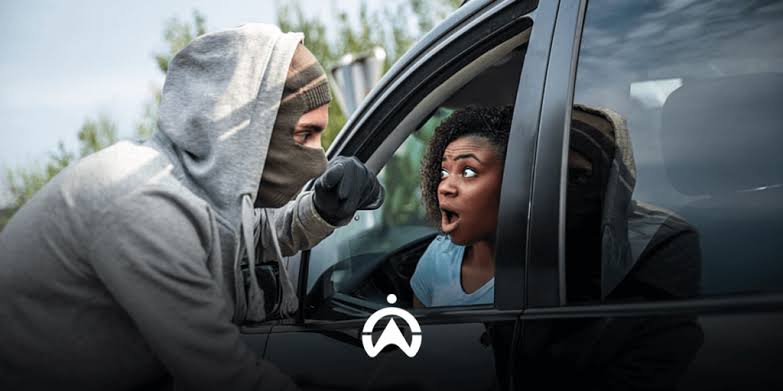
Car crimes in Nigeria are a daily reality for many drivers. Whether it is a smash-and-grab at a traffic light in Lagos or a carjacking on a quiet road in Abuja, these incidents can happen fast and leave you shaken. The good news is that most are preventable with some awareness and smart habits. Crimes like theft, carjacking, and scams target vehicles because cars are valuable and often easy marks. By understanding how criminals operate, you can make your car less appealing and stay safer. Let us look at the most common ones and how to steer clear of them.
Carjacking: Stay Alert and Unpredictable
Carjacking happens when criminals force you out of your car, often at gunpoint or with threats. It is common in slow traffic, at red lights, or when you are parking. They look for distracted drivers or those in predictable routines.To avoid it, keep moving when possible. In go-slow traffic, leave enough space ahead to maneuver out if someone approaches about a car’s length. Lock doors and keep windows up, especially at night or in high-risk areas like unlit streets. Vary your routes and times if you drive the same way daily; criminals scout patterns. Park in well-lit, busy spots with security if available. If confronted, do not resist hand over the keys and back away. Your life is more important than the car. Many survivors say staying calm and complying saved them from harm.
Car Theft: Make Your Vehicle Hard to Steal
Full car theft often happens when parked, especially at home or in unsecured lots. Thieves target popular models like Toyota Camry or Honda Accord because parts sell fast.Protect against it by using visible deterrents. A steering wheel lock like the Club makes it obvious the car is secured. Install a kill switch that cuts the ignition or fuel pump easy DIY for ₦5,000. GPS trackers (₦10,000–₦20,000) let you locate the car if stolen; apps like those from local firms alert your phone. Park facing out for quick escapes, and never leave valuables visible hide bags or phones in the trunk. At night, park under lights or in guarded compounds. If you have a garage, use it. Thieves prefer easy targets; these steps make yours less inviting.
Smash-and-Grab: Do Not Be an Easy Target
This quick crime involves smashing a window to grab items like phones or bags, often at stoplights or in traffic. It takes seconds, and the thief runs or rides off on a waiting motorcycle.To stop it, keep valuables out of sight. Put your phone in the glove box or under the seat when stopped. Bags go in the trunk before driving. Tinted windows help, but do not exceed legal limits (FRSC allows 35% for sides). In traffic, position your car so you can see around avoid being boxed in. If someone approaches suspiciously, honk and drive away if safe. Many victims say locking doors and keeping windows up deterred attempts.
Fake Mechanic or Repair Scams
Not all crimes happen on the road some start at the workshop. Mechanics might use fake parts, overcharge, or “fix” things that are not broken.Avoid them by choosing wisely. Get recommendations from trusted people or online groups. Visit the shop first clean, organized places with certifications are better. Get written quotes before work starts, and ask for old parts back to verify replacement. Buy parts yourself from reliable sellers like Ladipo originals. Watch the work if possible, or bring a knowledgeable friend. If they push unnecessary services like “engine flush” without explaining, walk away.
General Tips to Stay Safe Overal
Beyond specific crimes, build habits that reduce risks. Keep your car maintained tires, brakes, and lights in good shape mean fewer breakdowns in unsafe spots. Carry a charged phone with emergency numbers: FRSC 122, police 112. Have cash for small bribes or help, but do not flash it. Join roadside assistance like those from insurance companies for towing or fixes. Drive defensively assume others might cut you off or stop suddenly.Car crimes thrive on opportunity. By staying alert, securing your vehicle, and choosing smart routes, you cut the odds dramatically. It is not about paranoia; it is about being prepared. Share these tips with family safer drivers make safer roads for everyone.