
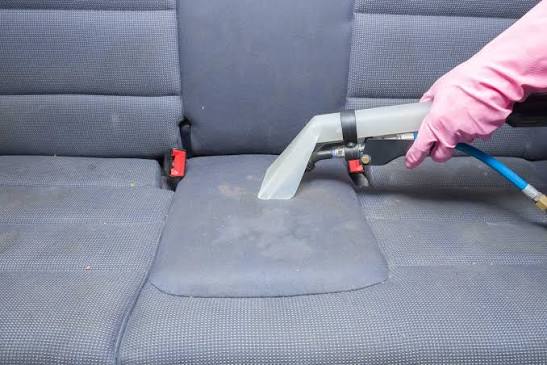
Your car’s interior is where you spend hours every week breathing the air, touching the surfaces, resting against the seats. Over time, that space collects dust, sweat, food crumbs, pollen, and bacteria that you cannot see but definitely feel. A dirty cabin is not just unpleasant; it affects your health, comfort, and even the car’s value. Regular interior cleaning keeps everything fresh, reduces wear, and makes every drive more enjoyable. In Nigeria, with dust from harmattan, humidity that breeds mold, and traffic that forces long hours inside, cleaning the interior is practical maintenance, not optional luxury.The air you breathe inside the car is often worse than outside air.
Dust, pollen, and exhaust fumes enter through vents, and a clogged cabin filter lets them circulate freely. Add moisture from wet shoes or rain, and mold starts growing on the evaporator core and carpets. That musty smell is not harmless it carries spores that irritate lungs, trigger allergies, or cause headaches. Studies on cabin air quality show that unclean interiors can have higher levels of particulate matter than city streets. Cleaning the cabin filter every 10,000–15,000 km (or yearly) and running the fan on fresh air mode after trips helps flush out stale air and keep the system dry.Seats and carpets take the most abuse. Sweat, spills, and skin oils sink into fabric and leather, breaking down fibers and creating odors. In humid weather, trapped moisture leads to mildew, which stains and smells bad. Regular vacuuming removes loose dirt before it grinds in. For fabric seats, a gentle upholstery cleaner (or a mix of water, mild soap, and vinegar) lifted with a microfiber cloth prevents permanent marks. Leather needs conditioning every 2–3 months to stay soft and avoid cracking from heat and dryness. A cracked seat lets dirt and moisture in deeper, speeding up deterioration. Clean seats also look better and feel more comfortable, especially on long drives.The dashboard, steering wheel, and controls collect skin oils, dust, and fingerprints that turn into grime. This layer attracts more dust and makes surfaces sticky. A quick wipe with a microfiber cloth and interior cleaner keeps them smooth and prevents buttons from feeling gummy. UV rays from the sun fade plastic and cause cracking, so a UV protectant spray applied monthly slows that damage.
A clean, protected dashboard stays functional longer and looks newer, which matters when you sell the car.Health benefits are real. A dirty interior harbors bacteria and allergens. Steering wheels and gear knobs can carry more germs than toilet seats in some studies. Regular cleaning with disinfectants reduces that risk, especially important for families with kids or anyone with respiratory issues. In Nigeria, where air pollution is high outside, a clean cabin gives you a small bubble of fresher air.
Resale value stays higher too. Buyers notice a clean interior first. Stained seats, dusty vents, or moldy smells drop the price quickly. A well-maintained cabin signals the car was cared for, making it easier to sell and for more money. A quick detail before listing can add ₦50,000–₦100,000 to the asking price.How to keep it simple and effective. Vacuum weekly to remove loose dirt. Spot-clean spills right away blot, do not rub. Use pH-neutral cleaners for fabric and dedicated leather care for seats. Wipe hard surfaces with a microfiber cloth and mild cleaner. Run the AC on high with recirculation off for a few minutes after rainy drives to dry the system. Apply protectants quarterly. These habits take little time but prevent big problems.Interior cleaning is not about perfection it is about consistent care. A clean cabin is healthier, more comfortable, and more valuable. Start small: vacuum this weekend and wipe down the dash. You will notice the difference on your next drive.