
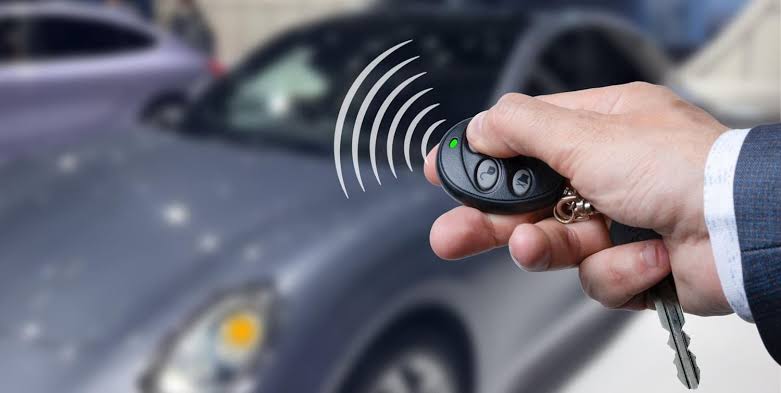
Losing your car to theft or having it broken into leaves a lasting sting. In Nigeria, where vehicle theft rates remain high in cities like Lagos, Abuja, and Port Harcourt, a good security system is not a luxury it is practical protection for your investment. The market offers everything from basic alarms to full GPS trackers with remote engine cut-off, so picking the right one means matching features to your real risks, budget, and car type. Here is a straightforward guide to help you choose wisely.
Start with Your Specific Risks
Think about where and how you park and drive. If your car stays in a gated compound most nights, a loud alarm with immobilizer might be enough. If you park on the street or in open lots, add a GPS tracker for recovery. In high-theft urban areas, remote engine kill and motion sensors deter thieves who want a quick getaway. For long-distance drivers on highways like Lagos-Ibadan, a system with real-time alerts and geofencing gives peace of mind. Your daily routine decides the features you need most do not pay for extras you will never use.
Core Features Every Good System Should Have
Every decent car security system starts with an immobilizer. This prevents the engine from starting without the correct key or fob. It uses a chip in the key that communicates with the car’s computer if the code does not match, the fuel pump or ignition stays off. Most cars made after 2005 have this built in; if yours does not, add an aftermarket one (₦15,000–₦30,000). It is the hardest layer for thieves to bypass.Next, look for a loud siren alarm triggered by door, hood, or ignition tampering. Vibration sensors detect break-in attempts, while tilt sensors catch jacking.
These basics scare off casual thieves who want quick, quiet jobs.For higher protection, choose a system with remote engine cut-off. You can disable the car from your phone if it is stolen, stopping it safely after a short distance. GPS tracking is the next level it shows your car’s location in real time on an app. Many systems combine cut-off and tracking for ₦30,000–₦80,000 installed. Look for ones with SIM card support so they work without relying on your phone.
Additional Features Worth Considering
Motion and shock sensors detect movement or impact when parked. Geofencing alerts you if the car leaves a set area. Some systems include panic buttons on the fob that trigger the siren and flash lights. For families, interior motion sensors catch anyone trying to enter while the car is parked. Battery backup keeps the system running if thieves cut the main power. Smartphone apps are standard now check for iOS and Android compatibility, plus notifications for low battery or tampering.
Installation: Professional vs DIY
Factory systems are integrated and hard to tamper with, but aftermarket ones vary. Professional installation (₦10,000–₦30,000 extra) hides wiring and connects properly to the immobilizer and starter circuit. DIY kits exist for basic alarms, but wiring mistakes can drain the battery or cause starting issues. For GPS and cut-off, professional installation is safer wrong connections can disable the car permanently.
Choosing a Reliable Brand and Installer
Stick to known brands like Viper, Compustar, Avital, or local favorites like Python and Clifford. Check reviews on Jumia, Konga, or Nigerian auto forums for real user experiences. Avoid roadside installers who promise cheap systems many use low-quality Chinese modules that fail in months. A good installer gives a warranty (at least 1 year), shows you how the app works, and explains every feature. Ask if they use original components and if the system supports OTA updates for new features.
Cost vs Value
Basic alarm + immobilizer starts at ₦25,000–₦50,000 installed. Full GPS with cut-off and app control runs ₦60,000–₦150,000. Compare quotes from 2–3 shops, but do not go for the cheapest—cheap systems often have poor apps or weak signals. Insurance discounts are common for tracked cars, sometimes 10–20% off premiums.