
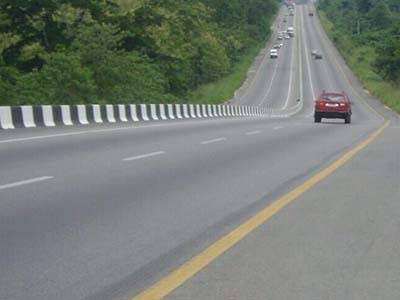
Road trips in Nigeria can be some of the most rewarding ways to see the country. You get to drive through changing landscapes, stop at roadside eateries, and explore places most tourists never reach. But planning one here is different from anywhere else. Highways have improved, but potholes, traffic, fuel scarcity, security concerns, and weather still make preparation essential. A well-thought-out plan turns a potential headache into a memorable adventure. Here is how to do it right, step by step.
Choose Your Route and Timing Carefully
Start with where you want to go and why. Popular routes include Lagos to Ibadan (short but busy), Abuja to Kaduna (smooth but watch for security), Port Harcourt to Calabar (scenic but rainy), or Lagos to Benin (good roads but heavy trucks). Pick destinations that match your time and the season. Avoid rainy season (April–October) for long trips unless you are prepared for floods. Harmattan (November–February) brings dust that cuts visibility and clogs air filters. The dry season (December–March) is best for most routes—clearer roads, better weather, but hotter.Use Google Maps or Waze to check current conditions, but do not rely on them alone. Ask locals or join Facebook groups like “Nigeria Road Trips” or “Lagos to Abuja Drivers” for real-time updates on roadblocks, bad spots, or police checkpoints. Plan stops every 2–3 hours for fuel, food, and rest. Major highways have filling stations, but smaller roads may not, so fill up whenever you see a reliable one.
Prepare the Car Thoroughly
Your car needs to be in top shape before a long trip. Get a full service: oil and filter change, coolant flush, brake check, tire rotation, and alignment. Tires are critical—check pressure (cold) matches the door sticker, usually 30–35 PSI, and tread depth is at least 3 mm. Carry a good spare tire (inflated), jack, lug wrench, and wheel spanner. Test everything: lights, wipers, horn, AC, and battery. A weak battery fails fast in heat.Pack an emergency kit: jumper cables, tow rope, warning triangles, flashlight, first-aid box, bottled water, snacks, and a charged power bank. Carry extra fuel in approved jerry cans (10–20 liters) for remote stretches. Have cash for tolls, fuel, and small expenses—card networks fail sometimes. Keep vehicle documents (license, insurance, customs papers if needed) in a waterproof folder with FRSC emergency numbers (122 or 08077690361) saved.
Drive Smart and Stay Safe
Leave early—aim to finish most driving before dark. Night driving brings poor visibility, drunk drivers, and higher breakdown risks. Drive defensively: keep a safe following distance (four seconds minimum), signal early, check mirrors constantly, and avoid overtaking on blind corners or hills. Watch for animals, pedestrians, and sudden stops from buses or trucks. In rain, slow down, avoid deep water, and use headlights. If tired, pull over—fatigue causes many crashes.Have a backup plan. Share your route and expected arrival with someone. Carry extra cash and a working phone. If something goes wrong, stay with the car, use triangles, and call FRSC or a trusted tow service.
Pack Smart and Plan for Comfort
Decide who is coming and pack accordingly. For families, bring pillows, neck rests, and entertainment for kids—tablets or books reduce restlessness. Pack light but smart: reusable water bottles, snacks, wet wipes, hand sanitizer, and a small cooler for drinks. Include rain gear, a change of clothes, and toilet paper for roadside stops. If traveling with children, plan bathroom breaks many stations have facilities.
For comfort, schedule stops at known good spots: eateries with clean restrooms, fuel stations with shade, or safe rest areas. Avoid overloading—extra weight strains the engine, suspension, and brakes on hilly or bad roads.
Final Preparation Checklist
Test drive the loaded car a short distance to check handling. Fill up fuel, top up fluids, and inflate tires. Pack documents, emergency kit, and snacks. Plan your first stop. Double-check the spare tire and tools.A well-planned road trip in Nigeria is about preparation and patience. Choose routes you trust, maintain the car, drive defensively, and enjoy the journey. With these steps, you arrive safely and make memories instead of stories about breakdowns.