
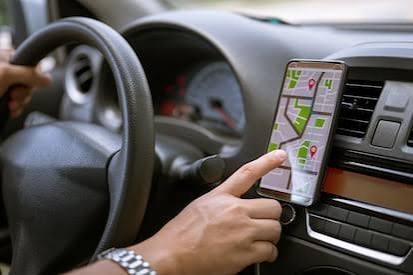
Driving in Nigeria means dealing with a lot. Roads can twist through unfamiliar neighborhoods, traffic jams stretch for hours, and sudden detours from floods or construction pop up without warning. A car GPS system changes all that. It is not just a gadget for the dashboard it is a practical tool that makes every trip smoother, safer, and less wasteful. In a country where getting lost or stuck costs time and money, GPS has become essential for many drivers. Let us look at why it is worth adding one to your car, explained in ways that make sense for the realities here.
Better Navigation in Crowded Cities and Remote Areas
Nigeria’s cities like Lagos or Abuja are mazes of side streets, one-ways, and shortcuts that even locals sometimes mix up. A GPS guides you turn by turn with voice directions, so you keep your eyes on the road instead of fumbling with a phone map. It uses satellites to pinpoint your location and plot the best path, avoiding confusion at junctions or when road signs are missing or faded.
For long trips, like from Enugu to Kaduna, it shows distances, estimated times, and fuel stops along the way. In rural areas with poor signage, it keeps you on track without relying on asking strangers, who might give wrong directions. Many drivers say GPS cut their travel time by 20–30 percent by steering clear of dead ends or blocked routes.
Real-Time Traffic Updates to Beat Jams
Traffic here is legendary go-slow can turn a 30-minute drive into three hours. Modern GPS systems pull live data from apps or built-in traffic services to warn you of jams ahead. They reroute you automatically, suggesting alternatives like side roads or flyovers that are clearer. In Lagos, where Third Mainland Bridge backups are daily, this feature saves fuel and frustration.
Some units even learn your habits and suggest personalized routes. During rainy season, when floods close roads, GPS updates show which paths are passable, helping you avoid getting stuck in water that damages your engine.
Enhanced Safety on Unpredictable Roads
Safety is a big deal on our roads, with potholes, reckless okadas, and sudden animals crossing. GPS systems often include speed limit alerts, chiming if you go too fast in a zone. They warn of sharp curves, school areas, or accident hotspots ahead, giving you time to slow down. Some have lane guidance, showing which lane to be in for exits or turns, reducing last-minute swerves that cause sideswipes.
At night, when visibility is low, voice directions mean less looking at the screen. For women drivers or those traveling alone, GPS can share your location with family in real time, adding peace of mind on lonely stretches like Abuja-Kaduna highway, known for security issues.
Theft Recovery and Peace of Mind
Car theft is common here, with vehicles vanishing from compounds or streets. Many GPS systems double as trackers, using SIM cards to send location data to your phone. If stolen, you can follow it in real time and alert police. Some have geofencing set a boundary, and if the car leaves it, you get an alert. This feature has helped recover countless cars. For business owners with fleets, it tracks usage too. Even basic GPS units without tracking deter thieves because they know the car can be located.