
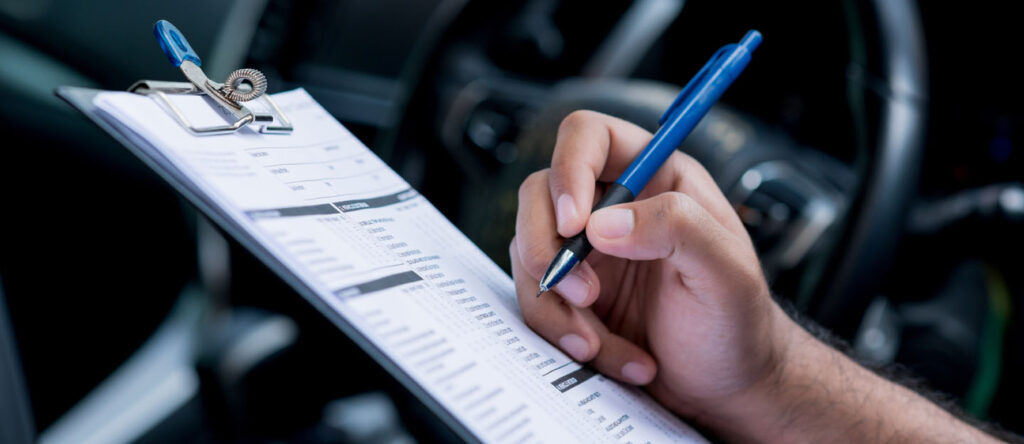
Keeping track of your car’s service history might seem like busywork, but it is one of those simple habits that pays off in ways you might not expect. Maintenance records are basically a log of everything done to your car oil changes, brake replacements, tire rotations, and major repairs like engine work. You can keep them in a notebook, an app, or even the glove box folder that comes with most cars. In Nigeria, where roads are tough and fuel quality varies, these records become even more valuable. They help you spot patterns, avoid surprises, and make smarter decisions about your vehicle. Let us look at why they matter and how they help in everyday driving.
They Boost Your Car’s Resale Value
When you decide to sell your car, buyers want proof it was cared for. A stack of receipts showing regular oil changes every 5,000 kilometers or brake pads replaced at 50,000 kilometers tells them the car was not neglected. Without records, they assume the worst and offer less. In the used car market here, a well-documented vehicle can fetch 10–20 percent more. For example, a 2015 Toyota Corolla with full service history might sell for ₦3.5 million, while one without drops to ₦3 million because buyers worry about hidden problems. Records build trust, and that translates to cash.
They Make Warranty Claims Easier
Most new cars come with warranties 3 years or 100,000 kilometers for many brands. But to claim them, you need proof of regular maintenance. If your engine fails at 80,000 kilometers, the dealer will ask for records showing oil changes on schedule. Without them, they can deny the claim, leaving you with a ₦200,000 bill. Even for extended warranties or insurance, records show you did your part. In Nigeria, where parts are expensive and labor varies, having that paperwork ready saves arguments and gets fixes covered faster.
They Help Prevent Costly Breakdowns
Records let you see patterns before they become problems. If your battery died after two years last time, the log reminds you to check it early. Or if brakes wore out at 40,000 kilometers, you budget for the next set. This preventive approach catches issues like low coolant before overheating warps the head gasket. Drivers who track services report fewer roadside breakdowns because they replace parts on time, not after failure. In our heat, batteries and belts fail fast records keep you ahead, avoiding towing fees or emergency repairs that cost double.
They Improve Safety on the Road
A well-maintained car is a safe car. Records ensure you do not skip brake checks or tire rotations, which prevent accidents from worn treads or fading stops. If you log alignments every 10,000 kilometers, the car handles straight, avoiding pulls that lead to swerves on potholed roads. Safety features like ABS or airbags work better when the whole system is tuned. In Nigeria, where sudden stops for animals or okadas are common, reliable brakes from regular maintenance can save lives. Records also remind you of recalls dealers send notices, but if you have the history, you know if it applies.
They Save Money Over Time
Tracking expenses shows where your money goes. If oil changes cost ₦5,000 every 5,000 kilometers, you budget better. Records spot inefficient patterns, like frequent battery replacements from a bad alternator fix the root cause and stop wasting cash. When selling, they justify a higher price. Insurance companies sometimes offer discounts for well-maintained cars, as records prove lower risk. Overall, drivers with logs spend 20–30 percent less on repairs because they catch small issues early.
How to Keep Good Records
It is easy. Note the date, mileage, what was done (oil change, brake pads), cost, and mechanic’s name. Use a notebook, phone app like aCar or Fuelly, or the car’s service booklet. Take photos of receipts and store them digitally. Log everything, even small things like wiper replacements. Review every few months to spot trends.Maintenance records are a small effort with big rewards. They boost resale value, ease warranty claims, prevent breakdowns, improve safety, and save money. In Nigeria’s tough driving conditions, they give you control over your car’s health. Start logging your next service it is the smart way to drive.