
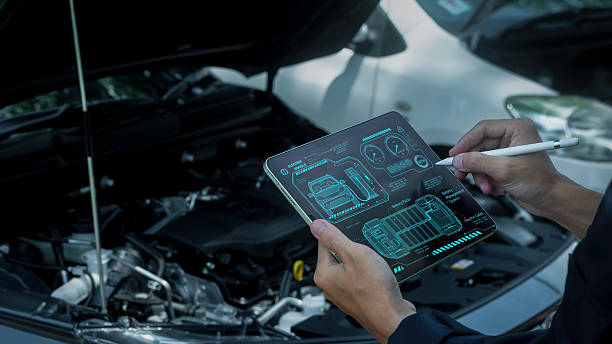
Modern cars are rolling computers. Under the hood and behind the dashboard, dozens of sensors feed data to electronic control units that manage everything from fuel injection to stability control. When something goes wrong, the old way was to scan for basic trouble codes and guess from there. Today, artificial intelligence is changing how mechanics and even your car itselffigure out what is broken. AI does not just read codes; it analyzes patterns, predicts failures before they happen, and helps fix things faster and more accurately. In places like Nigeria, where mechanics often rely on experience rather than expensive tools, AI-powered diagnostics are starting to level the playing field.At its core, AI in car diagnostics takes huge amounts of data and finds connections humans might miss. Traditional OBD-II scanners pull fault codes like P0300 (random misfire) or P0420 (catalyst efficiency low). Those codes point to a problem area but rarely tell the full story. AI systems go further. They look at live data streams engine RPM, fuel trim, oxygen sensor readings, coolant temperature, ignition timing and compare them to millions of similar vehicles. If your oxygen sensor readings are slightly off but the code has not triggered yet, AI can flag a potential exhaust leak or failing injector long before the check engine light comes on.One of the clearest examples is predictive maintenance. Tools like those from Bosch, Delphi, or newer platforms used by some Nigerian workshops analyze trends over time. If your engine knock sensor shows small irregularities that are getting worse across multiple drives, the system might warn that a bearing is starting to fail or carbon buildup is increasing. This lets you fix small issues during routine service instead of facing a seized engine on the highway. In Lagos traffic or on long hauls to Enugu, that kind of warning can prevent being stranded for hours waiting for a tow.AI also helps with faster and more accurate fault finding. A good technician might spend hours chasing a misfire by swapping coils, plugs, and injectors one by one. AI-assisted scanners narrow it down by cross-referencing data. For instance, if cylinder 3 is misfiring only under load and the fuel trim is leaning out on that bank, the system might suggest a clogged injector or vacuum leak on that side rather than a general “ignition problem.” This saves time and money labor is expensive, and unnecessary part replacements add up quickly.For Nigerian drivers, AI diagnostics are useful in another way: dealing with bad fuel and counterfeit parts. Adulterated petrol or fake filters often cause odd symptoms rough idle, hesitation, poor acceleration that do not match standard codes perfectly. AI tools can spot patterns that point to fuel quality issues or aftermarket parts that do not perform like originals. Some advanced scanners even compare your car’s live data against a database of known good readings for that exact model and engine variant, highlighting when something is off-spec.The infotainment and connectivity side benefits too. Many newer cars send diagnostic data to the manufacturer or a service app. If the system detects a failing battery or a degrading alternator, it can notify you through the car’s screen or your phone before the problem leaves you stranded. Some brands even schedule service reminders based on actual usage patterns rather than fixed intervals. In a place where power cuts and heat shorten battery life, that kind of proactive alert is genuinely useful.Not everything is perfect yet. AI diagnostics depend on good data, and older cars with basic OBD-II ports have less information to work with. In rural areas or smaller workshops, access to the latest scanners and software updates can be limited. Connectivity issues poor mobile data or no Wi-Fi can prevent real-time features from working. But the gap is closing fast. Affordable OBD2 scanners with AI-enhanced apps are now available for ₦10,000–₦30,000, and many independent mechanics in major cities are adopting them.The real-world payoff is clear. Early detection of small issues prevents big repairs. A failing alternator caught early might cost ₦30,000 to replace; ignored, it can leave you with a dead battery, damaged electronics, and a tow bill on top. Accurate diagnosis reduces guesswork, so you pay for the right part once instead of trying several wrong ones. For Nigerian drivers who cannot afford frequent workshop visits, AI helps make every service visit more effective.As cars get smarter, diagnostics will get smarter too. The 2026 models already use more advanced AI to predict wear on brakes, tires, and even suspension components based on driving style and road conditions. That means future repairs will be planned rather than reactive. For now, even basic AI-assisted tools give you an edge.
AI in car diagnostics is not replacing good mechanics it is helping them work faster and smarter. If your car has a check engine light or you just want to stay ahead of problems, a compatible scanner with AI features is one of the best tools you can own. Plug it in, read the data, and let the system point you toward the real issue. It is one of the simplest ways to keep your car healthy in our challenging driving environment.