
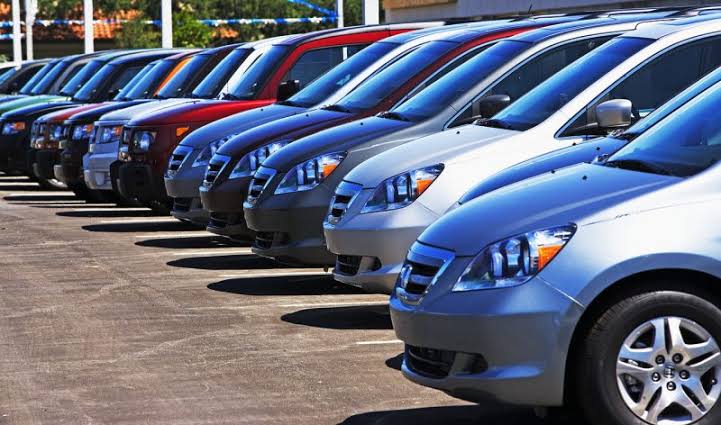
Buying a used car in Nigeria is still the most common way people get mobile. New cars are expensive, import duties are high, and salaries have not kept up. So most of us end up looking for tokunbo (imported used) or locally used vehicles. The market is full of good deals, but it is also full of traps: clocked mileage, accident-damaged cars sold as clean, vehicles with hidden liens, or ones that have been poorly maintained. A wrong choice can leave you with a money pit that spends more time in the mechanic’s shop than on the road. The difference between a smart buy and a regret usually comes down to preparation and knowing what to check. Here is a clear, practical guide that works in 2026.
Decide What You Actually Need First
Before you look at any car, be honest about your real use. Are you doing mostly city driving in Lagos or Abuja traffic? Then fuel efficiency, small turning radius, and good AC matter more than high ground clearance. If you travel to villages or bad roads often, prioritize higher clearance, strong suspension, and diesel if possible. Popular choices right now are Toyota Corolla, Camry, RAV4, Honda Accord, Civic, Hyundai Tucson, and Kia Sportage—parts are everywhere and mechanics know them well. Avoid rare or luxury models unless you can afford specialist repairs. Set a realistic budget: car price + transfer fees + immediate repairs + first few months of fuel and insurance.
Research Prices and Market Value
Prices change fast because of exchange rate swings, import costs, and fuel situation. Check recent sales on Jiji, Cars45, Cheki, and Facebook Marketplace for your exact model, year, and mileage. A 2018 Corolla with 80,000 km in good condition might go for ₦4.5–₦6 million in Lagos, but the same car in Abuja or PH could be ₦500,000 cheaper. Mileage matters less than condition, but anything over 150,000 km needs extra scrutiny unless it has full service history. Avoid cars advertised far below market—usually flood-damaged, stolen/recovered, or heavily clocked.
Verify the Car’s History and Papers
Never rely on photos or a quick glance. Meet in daylight at a safe public place (filling station or open lot). Bring a trusted mechanic for ₦5,000–₦15,000 inspection. Check:Body: even panel gaps, no overspray, no ripples (accident signs).Underbody: rust on frame, exhaust, suspension.Engine: no leaks, clean oil (not milky or black), no white smoke.
Test drive: smooth acceleration, no pulling, good brakes, no knocks.
Interior: no water stains, mold smell, or mismatched trim.
Inspect the Car Properly
Never rely on photos or a quick glance. Meet in daylight at a safe public place (filling station or open lot). Bring a trusted mechanic for ₦5,000–₦15,000 inspection. Check:
Body: even panel gaps, no overspray, no ripples (accident signs).
Underbody: rust on frame, exhaust, suspension.Engine: no leaks, clean oil (not milky or black), no white smoke.
Test drive: smooth acceleration, no pulling, good brakes, no knocks.Interior: no water stains, mold smell, or mismatched trim.
Scan for codes with an OBD2 reader many cheap scanners work fine. If the check engine light is off but codes are stored, it has been cleared to hide problems.
Negotiate and Close the Deal Safely
Start 15–20% below asking price. Point out real issues (worn tires, faded paint, missing service history) to justify lower offers. Never pay full amount before transfer. Use bank transfer or POS so you have proof. At the VIO office, both buyer and seller should be present to sign transfer forms. Pay transfer fees (₦10,000–₦20,000 depending on state) and get new registration in your name. Update insurance immediately.Buying used in Nigeria is risky, but not impossible. Do your research, verify papers, inspect thoroughly, and complete the transfer legally. It takes time, but a good car bought this way can serve you reliably for years.