
Engine noises are often the first warning sign that something is wrong under the hood. Most drivers in Nigeria hear an unusual sound long before the check engine light comes on or the car actually breaks down. Ignoring these noises can turn a small repair into a major engine failure costing hundreds of thousands of naira. The good news is that many common engine sounds follow patterns you can learn to recognize. With a bit of careful listening and basic checks you can usually narrow down the cause yourself before heading to the mechanic. Here is how to diagnose the most frequent engine noises step by step explained clearly so you know what you are hearing and what to do next.Start by identifying when and where the noise happens. Does it occur only when the engine is cold right after starting or only when hot after driving for a while? Does it appear at idle in neutral at low speed during acceleration or only under load like when climbing a hill or overtaking? Does it come from the top of the engine front near the belts bottom near the oil pan or sides near the exhaust? Answering these questions usually points you straight to the likely source.A rhythmic ticking or tapping that is loudest at idle and gets quieter as rpm rises often comes from the valve train. This is very common on older engines with high mileage. It can be caused by low oil level dirty oil clogged oil passages or worn hydraulic lifters.
First check the dipstick make sure the oil is at the correct level and looks clean not thick black or milky. If the level is low top it up with the right grade usually 10W-40 or 5W-30 synthetic for most Nigerian cars. If the oil is dirty change it along with the filter immediately. If the noise persists after an oil change the lifters may need adjustment or replacement which is not too expensive if caught early.A deeper knocking or thudding sound especially under load during acceleration or when the engine is hot usually indicates a problem in the bottom end. This is more serious. It can be worn main or rod bearings piston slap or a cracked crankshaft. The classic rod knock is a loud knocking that gets louder and faster with engine speed and often disappears when you let off the throttle. Do not drive the car far if you hear this it can lead to complete engine seizure. Check oil level and pressure first low oil or very dirty oil can cause bearing knock. If oil is fine and the noise continues stop driving and have a mechanic listen with a stethoscope or remove the oil pan to inspect bearings.A high-pitched squealing or chirping that changes with engine speed almost always comes from the accessory belt area. The most common cause is a loose worn or glazed serpentine belt slipping on the pulleys. Spray a little water on the belt while the engine is idling if the noise stops momentarily the belt is slipping.
Tighten or replace the belt usually five thousand to fifteen thousand naira. If the noise is only when the AC is on the compressor clutch or belt is the culprit. A squealing pulley bearing alternator water pump or tensioner can also make this sound spin each pulley by hand with the belt off to find the one that feels rough or gritty.A metallic rattling or grinding especially at idle or low rpm that disappears when you rev the engine higher often means a loose heat shield on the exhaust manifold or catalytic converter. These shields rust and break loose over time rattling against the metal. Tap around the exhaust with a rubber mallet or stick to locate the loose part then tighten or remove the shield if it is not critical. If the rattle is deeper and only under load it could be piston slap usually in high-mileage engines with worn cylinder walls this is more expensive to fix but not always urgent if the car runs smoothly otherwise.A knocking or pinging during acceleration especially when the engine is hot and under load usually means detonation or pre-ignition.
This is common when using low-octane fuel bad timing carbon buildup or a failing knock sensor. Use premium petrol for a few tanks to see if it improves. If the noise continues have the timing checked and consider a fuel system cleaner or professional decarbonization service.A whining or howling noise that rises and falls with engine speed often comes from the power steering pump alternator or idler pulley bearings.
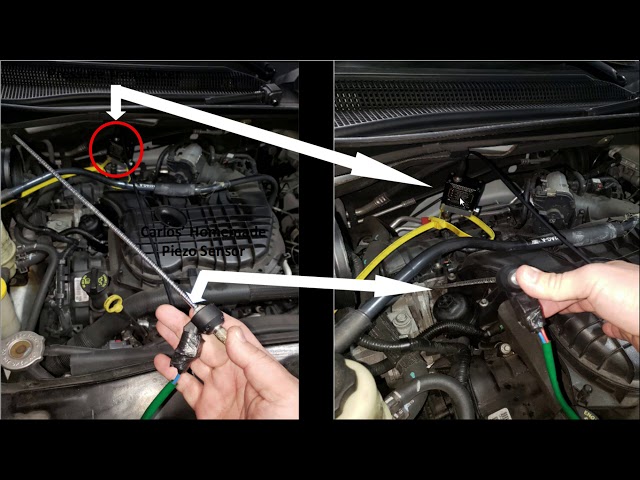
Check each accessory pulley by removing the belt one at a time and spinning them by hand any roughness grinding or noise means replacement usually five thousand to twenty thousand naira each.Listen carefully in a quiet place with the hood open and windows down. Use a long screwdriver as a stethoscope place the tip on different engine parts and your ear to the handle to pinpoint the source. Record the sound on your phone and play it for a trusted mechanic if you are unsure. Many noises are harmless like normal valve tick but some are urgent like rod knock or bearing failure.
Diagnosing engine noises is mostly about timing location pitch and conditions. Pay attention to when it happens where it comes from and what makes it change.
Check oil level and condition first then listen systematically. Catch problems early and most are inexpensive fixes. Ignore them and you risk a roadside breakdown or full engine rebuild. Listen to your engine it usually tells you exactly what is wrong long before it fails completely.