
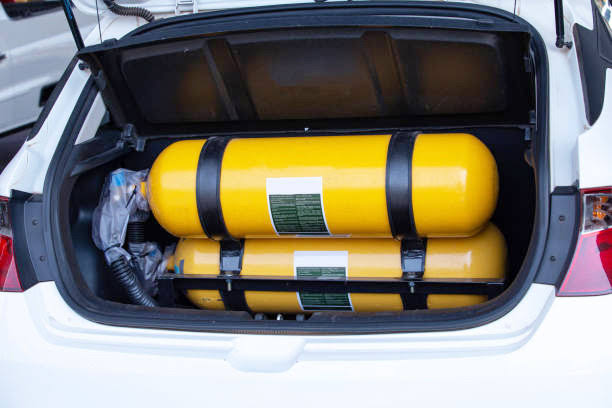
Converting your car to CNG (Compressed Natural Gas) has become one of the most practical ways to reduce fuel costs in Nigeria. With petrol prices remaining high and fluctuating, many drivers are turning to CNG because it is significantly cheaper per kilometre and burns cleaner. The conversion process is straightforward when done correctly, but it requires careful planning and professional installation to ensure safety and reliability. Here is a clear, step-by-step explanation of how to convert your car to CNG and what you need to know before starting.
The first step is deciding whether your vehicle is suitable for conversion. Most petrol cars with spark-ignition engines can be converted, including popular models like Toyota Corolla, Camry, Honda Accord, Civic, Hyundai Elantra, and Kia Rio. Diesel engines are generally not suitable for simple CNG conversion. Cars with carburettor engines are easier and cheaper to convert than modern fuel-injected ones, but both are possible. Check your engine type and consult a reputable conversion workshop. Newer cars with sophisticated electronics may need additional sensors or ECU adjustments.
Next, understand the two main types of CNG kits available. The traditional venturi kit is simpler and cheaper, suitable for older carburettor or single-point injection engines. The sequential injection kit is more advanced and recommended for multi-point fuel injection cars. Sequential kits deliver gas to each cylinder individually, resulting in smoother performance, better fuel economy, and fewer emissions. While sequential kits cost more upfront, they provide better long-term performance and are worth the investment for daily drivers in heavy traffic.
Choose a certified and experienced installer. In 2026, several reputable CNG conversion centres operate in Lagos (especially in Ikeja, Oshodi, and Berger), Abuja, Port Harcourt, and major cities. Look for workshops certified by the Standards Organisation of Nigeria (SON) or with good reviews from previous customers.
A professional installation typically costs between ₦250,000 and ₦450,000 depending on the kit type, car model, and whether a new cylinder is included. Never use roadside or uncertified installers, as poor workmanship can lead to gas leaks, engine damage, or safety hazards.The conversion process itself involves several key components. A high-pressure CNG cylinder (usually 50–60 litres capacity) is installed in the boot or under the floor. A pressure regulator reduces the gas pressure from 200 bar to a usable level. The gas then flows through filters and valves to the engine. For sequential kits, injectors are added near the intake manifold. The system includes safety features such as a manual shut-off valve, automatic solenoid valve, and pressure relief devices. The installer will also fit a CNG/petrol selector switch on the dashboard so you can switch fuels easily.
After installation, the car undergoes testing and tuning. The mechanic will check for leaks using soapy water or a gas detector, adjust the air-fuel mixture, and fine-tune the ignition timing. Modern sequential kits often require ECU remapping or the addition of an electronic control unit to optimise performance on gas. Expect a slight drop in power (5–15 %) when running on CNG, but many drivers report smoother idling and quieter operation. Fuel economy usually improves significantly, with many cars achieving 20–30 % more kilometres per naira compared to petrol.
Maintenance after conversion is straightforward but important. Check the gas system for leaks every six months or 10,000 km. Replace the gas filter every 10,000–15,000 km and have the entire system inspected annually. The CNG cylinder has a lifespan of 15–20 years and must be hydrostatically tested every 5 years.
Always use certified filling stations that follow safety standards.Driving on CNG requires a few adjustments. The car may take slightly longer to start when cold, so it is common to start on petrol and switch to gas after the engine warms up. Acceleration feels slightly softer on CNG, but cruising and highway driving are usually smooth. Many converted cars can still run on petrol when needed, giving you flexibility during gas shortages.
Converting to CNG is a smart long-term investment for most Nigerian drivers who cover significant daily mileage. While the initial cost is noticeable, the savings on fuel typically recover the investment within 12–24 months depending on how much you drive. Beyond the financial benefit, CNG produces fewer harmful emissions, helping reduce your contribution to air pollution in busy cities.If you are considering the switch, visit a few reputable conversion workshops, compare quotes, and ask to speak with previous customers.
Take your time to choose quality components and a skilled installer. With proper installation and maintenance, your car will run safely and efficiently on CNG for many years, giving you lower running costs and a smoother driving experience in Nigeria’s challenging conditions.