
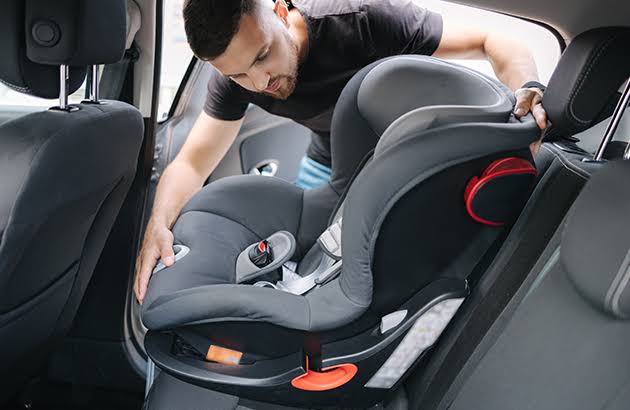
Installing a child safety seat correctly is one of the most important things you can do to protect your children while driving in Nigeria. Every year, many children are injured or killed in road accidents simply because their seats were not installed properly or were the wrong type for their age and size. A well-installed child seat can reduce the risk of serious injury by up to 70 percent in a crash. The process is straightforward once you understand the basics, and it takes only 10 to 20 minutes the first time. Here is a clear, step-by-step guide to help you install any child safety seat safely and correctly.
First, choose the right seat for your child’s age, weight, and height. Rear-facing seats are safest for infants and toddlers up to at least 12–15 months or the maximum weight/height limit on the seat. Forward-facing seats with a harness are next for older toddlers and young children. Booster seats are for children who have outgrown the harness but are still too small for the adult seatbelt (usually from age 4 until the seatbelt fits properly, around 8–12 years). Always check the seat’s label for the exact weight and height limits. In Nigeria, where many families travel with children on long trips or in heavy traffic, investing in a good-quality seat with side-impact protection and easy-to-adjust harness is worth the extra cost.Before installation, read the car’s owner manual and the child seat’s instruction booklet. Every car and seat combination is slightly different. Locate the lower anchor points (ISOFIX or LATCH anchors) in your car.
Most vehicles made after 2010 have them between the seat cushion and backrest. If your car does not have lower anchors or you prefer to use the seatbelt, the manual will show the correct routing path.For rear-facing seats (safest for babies and toddlers), place the seat in the back seat, preferably in the middle position if it has lower anchors there. Thread the seatbelt or attach the lower anchors through the correct slots at the base of the child seat. Pull the belt or straps tight until the seat does not move more than 2.5 cm in any direction when you shake it. The seat should face the rear of the car at the correct recline angle shown on the level indicator built into most seats. If the seat is too upright or too reclined, adjust the foot or use a rolled towel under the front edge until the bubble or arrow shows level.
Tighten the harness so you can fit only two fingers between the harness and your child’s collarbone. The harness should sit at or below the shoulders for rear-facing seats.For forward-facing seats with a harness, install in the back seat using either lower anchors or the seatbelt. Route the belt exactly as shown in the manual (usually through the belt path marked for forward-facing use). Pull the belt tight and lock it. The seat should not move more than 2.5 cm side to side or front to back. Adjust the harness height so the straps come from slots at or just above your child’s shoulders. The harness must be snug you should not be able to pinch any slack at the shoulder. The chest clip should sit at armpit level, not on the stomach or neck.Booster seats are simpler but still need correct installation. Use only the vehicle’s lap-and-shoulder seatbelt. The booster raises the child so the adult belt fits properly across the shoulder and low across the hips, not the stomach.
The shoulder belt must cross the middle of the shoulder and chest, never the neck or face. The lap belt must sit low on the hips touching the upper thighs. The booster should sit flat on the vehicle seat and not tilt. Many boosters have guides or clips to hold the seatbelt in the correct position.After installation, do the final safety checks. The seat must not move more than 2.5 cm in any direction when you push and pull it firmly at the belt path.
The harness or seatbelt must be snug with no slack. For rear-facing seats, the top of the seat should not lean more than 45 degrees from vertical unless the manufacturer allows it. Test the installation by giving the seat a strong shake. If it moves too much, tighten the belt or anchors again. Always install the seat in the back seat never in the front passenger seat, especially if your car has an active airbag.
Common mistakes include loose installation, using the wrong belt path, placing the chest clip too low, and installing rear-facing seats too upright. These errors greatly reduce the seat’s ability to protect your child in a crash. Double-check the angle, harness tightness, and belt routing every time you install the seat.Re-check the installation after every long trip or if the seat has been removed. Children grow quickly, so adjust the harness height and recline as needed. Replace the seat after any moderate or severe crash, even if it looks undamaged. Most manufacturers recommend replacing seats after 6–10 years due to material degradation from heat and sunlight.A correctly installed child safety seat gives your child the best possible protection on Nigerian roads.
Take a few extra minutes to install it properly, check it regularly, and replace it when your child outgrows it or after an accident. The few minutes spent installing the seat correctly can make all the difference in keeping your child safe.