
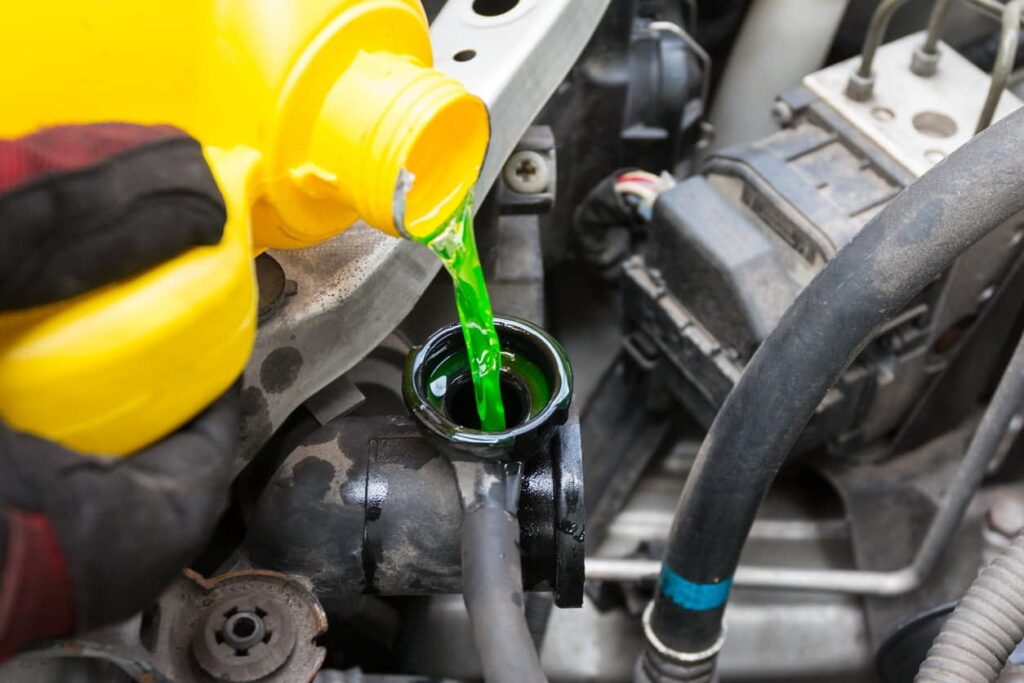
A coolant system flush is one of the most important yet often neglected maintenance tasks for any car in Nigeria. Over time, coolant breaks down, loses its ability to prevent corrosion and boiling, and accumulates rust, scale, and debris that can clog passages and damage the radiator, water pump, and engine. In our hot climate, where engines run at high temperatures for long periods in traffic, a neglected cooling system can lead to overheating, warped cylinder heads, blown head gaskets, or complete engine failure. Performing a proper coolant flush every 40,000 to 60,000 km or every two to three years keeps the system clean, efficient, and protected.
The cooling system works by circulating a mixture of coolant and distilled water through the engine, radiator, heater core, and hoses to absorb and dissipate heat. Over time, the additives in the coolant deplete, the pH level drops, and the mixture becomes acidic. This acidity eats away at metal components and promotes rust and scale formation. In dusty and humid conditions, external contaminants can also enter through the radiator cap or overflow tank, further degrading the system.Before starting a flush, make sure the engine is completely cool. Never open the radiator cap or drain the system while the engine is hot, as pressurized hot coolant can cause serious burns.
Park on a level surface, open the hood, and locate the radiator drain plug at the bottom of the radiator and the engine block drain plugs (usually one or two near the bottom of the engine).Begin by draining the old coolant. Place a large drain pan under the radiator and open the drain plug. Allow the coolant to flow out completely. If your car has engine block drain plugs, remove them as well to drain as much old fluid as possible. Once drained, close the plugs securely.
Next, flush the system with clean distilled water. Fill the radiator with distilled water, run the engine with the heater on maximum until it reaches normal operating temperature, then shut it off and let it cool.
Drain the water again. Repeat this flushing process two or three times until the water runs clear. This step removes old coolant residue, rust, and scale.After flushing with water, refill the system with the correct coolant mixture. Most modern cars in Nigeria require a 50/50 mix of coolant and distilled water. Never use tap water, as minerals in it can cause deposits and corrosion. Use the coolant type specified in your owner’s manual usually green, red, or blue long-life coolant. Mixing different types can cause chemical reactions that damage the system.
Fill the radiator slowly while the engine is off, then start the engine and run it with the heater on to circulate the new coolant. Top up as needed until the level stabilizes at the full mark. Bleed any air pockets by opening the bleed screw if your car has one or by squeezing the upper radiator hose while the engine runs.
Check for leaks after the flush. Look under the car and around hoses, the radiator, water pump, and heater core for any drips. Tighten hose clamps if necessary and replace any cracked or brittle hoses. A small amount of seepage from the water pump weep hole is normal during the first few days after a flush, but steady dripping means the pump needs attention.For best results, use a chemical cooling system cleaner before the final flush if the old coolant was very dirty or rusty. These cleaners dissolve scale and deposits more effectively than water alone.
Follow the product instructions carefully, usually running the cleaner through the system for 30–60 minutes with the engine at operating temperature.Many Nigerian drivers also benefit from adding a coolant additive or corrosion inhibitor after the flush, especially in areas with very hard water or extreme heat. These additives provide extra protection against rust and cavitation inside the water pump and engine block.After completing the flush, record the date, mileage, and type of coolant used. This helps you stay on schedule for the next service.
Check the coolant level every month and top up with the same 50/50 mixture if needed. Never add plain water except in emergencies, as it dilutes the corrosion inhibitors.A proper coolant system flush removes harmful deposits, restores heat transfer efficiency, prevents overheating, and extends the life of the radiator, water pump, thermostat, and engine. It is a relatively inexpensive service that pays for itself many times over by avoiding major repairs.
Perform this maintenance every two to three years or 40,000 to 60,000 km, and your cooling system will continue to protect your engine reliably even in Nigeria’s demanding climate.