
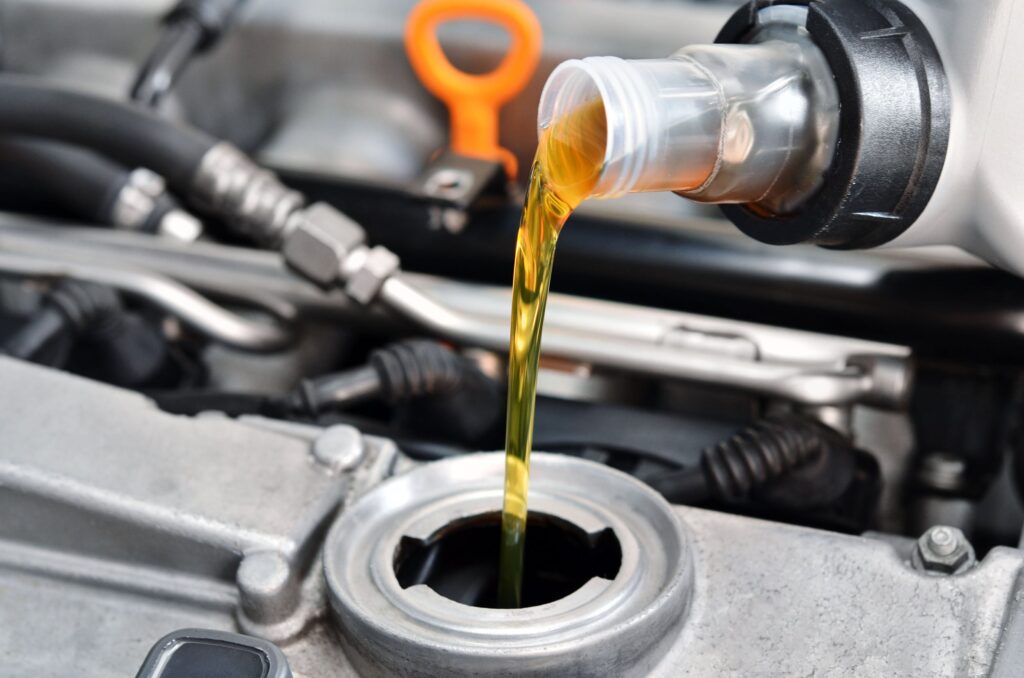
Engine oil change schedules are more important than most Nigerian drivers realize, especially with the challenging conditions our vehicles face daily. Heavy traffic, high temperatures, dusty harmattan winds, frequent short trips, and inconsistent fuel quality all cause oil to degrade faster than the standard intervals suggested in many owner’s manuals. Following a realistic schedule based on actual driving habits rather than just kilometres or months can significantly extend engine life and prevent expensive repairs.The traditional “every 5,000 km or 3 months” rule was created for cleaner environments and lighter driving. In Nigeria, these numbers are often too optimistic. For most cars driven mainly in city traffic with lots of idling and stop-go movement, changing the oil every 4,000 to 6,000 km is a safer approach. If you frequently drive in heavy Lagos or Abuja go-slow, or make many short trips where the engine never fully warms up, consider shortening the interval to 3,500–5,000 km.
Oil breaks down faster when it does not reach proper operating temperature because moisture and contaminants remain in the oil instead of burning off.For highway or inter-city driving where the engine maintains steady temperatures for longer periods, you can stretch the interval slightly to 7,000–8,000 km, but never exceed the manufacturer’s maximum recommendation. Modern synthetic oils used in many newer cars can last longer than conventional mineral oils, but even synthetics degrade under our heat and dust. Always use the oil viscosity recommended in your owner’s manual. In Nigeria, 10W-40 or 5W-30 synthetic or semi-synthetic oils are common choices for most petrol engines, while diesel engines often require 15W-40 or 20W-50.Pay close attention to driving conditions rather than just the calendar or odometer. If you regularly drive on dusty unpaved roads, carry heavy loads, tow trailers, or drive in extreme heat, change the oil more frequently.
Short trips of less than 10 km are particularly hard on oil because the engine stays in the warm-up phase longer, allowing acids and moisture to build up. Many mechanics in Nigeria recommend changing oil every 4,000 km for vehicles used primarily for school runs, market trips, or office commutes in urban areas.The quality of the oil and filter matters just as much as the interval.
Always choose reputable brands such as Mobil, Total, Shell Helix, Castrol, or high-quality local options that meet the API SN or higher specification for petrol engines and API CK-4 or ACEA standards for diesel. Cheap, unbranded oils often lack proper additives and break down quickly, leading to sludge, increased wear, and higher fuel consumption.
Pair every oil change with a new oil filter. A clogged or poor-quality filter can bypass dirty oil directly into the engine, defeating the purpose of the change.Watch for signs that your oil needs changing sooner than scheduled. Dark, thick, or gritty oil on the dipstick, a burning smell inside the car, reduced engine performance, increased fuel consumption, or the oil pressure warning light are all indicators that the oil has reached the end of its useful life. During harmattan, dust can enter the engine through the air filter, contaminating the oil faster and requiring more frequent changes.When performing the oil change, warm up the engine for a few minutes first so the oil flows out more completely.
Drain the old oil while it is still warm but not hot enough to burn you. Replace the drain plug washer if it is worn or damaged to prevent leaks. Fill with the exact amount and grade of oil specified in the manual, then run the engine for a minute, switch it off, and recheck the level after a few minutes. It is better to be slightly under than over the maximum mark.
Keep a simple record of each oil change, noting the date, mileage, oil brand and grade used, and any observations about the old oil’s condition. This history helps you spot patterns and makes it easier to maintain the car properly when selling or servicing at a new workshop.Following a realistic oil change schedule tailored to Nigerian driving conditions is one of the most effective ways to protect your engine and keep repair costs low.
Change oil more frequently in heavy traffic or dusty conditions, always use quality oil and filters, and pay attention to how the engine sounds and performs. These small habits can add years to your engine’s life and save you significant money in the long run.