
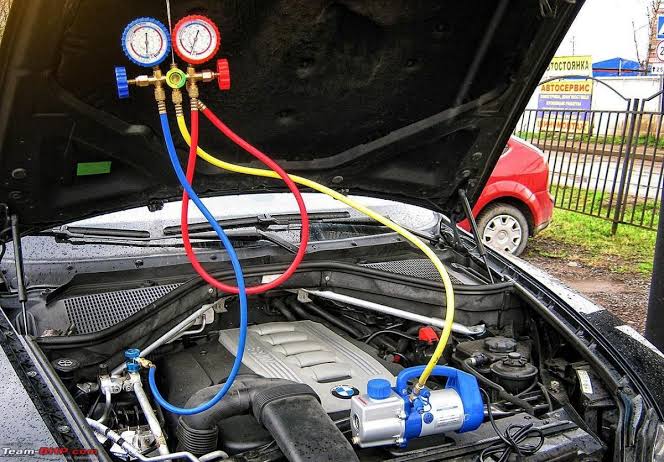
Air conditioning is one of the most appreciated features in any car in Nigeria, especially during the hot, humid months when temperatures inside a parked vehicle can quickly climb past 50°C. When the AC starts blowing warm air, loses cooling power, or takes longer to get cold, many drivers immediately assume the system needs a full repair. In reality, most AC performance issues can be solved with a simple recharge if you catch the problem early. Here is a clear, practical guide to recharging your car’s AC system safely and effectively.The car’s AC system works by circulating refrigerant (usually R134a in most vehicles) through a closed loop of compressor, condenser, expansion valve, and evaporator. Over time, small amounts of refrigerant naturally escape through seals and connections, causing the system to lose pressure and cooling ability. In Nigeria’s heat and dusty conditions, this loss happens faster than in cooler climates. A low refrigerant level forces the compressor to work harder, increases fuel consumption, and can eventually damage the compressor if the system runs too low.
The most obvious sign that your AC needs recharging is warm or lukewarm air coming from the vents even when the system is set to the coldest temperature and highest fan speed. You may also notice the compressor cycling on and off more frequently than usual or hear a clicking sound from the engine bay. Reduced cooling performance after the car has been sitting in the sun is another common indicator. If the AC was working well previously and gradually became weaker, low refrigerant is the most likely cause.Before recharging, check a few basic things. Make sure the cabin air filter is clean because a clogged filter restricts airflow and makes the AC feel weaker. Inspect the condenser (the radiator-like unit in front of the engine) for dirt, leaves, or debris that block airflow. A quick wash with low-pressure water can restore cooling efficiency.
Also listen for unusual noises from the compressor when the AC is turned on. Grinding, squealing, or loud clicking may indicate a failing compressor or clutch that requires professional repair rather than a simple recharge.Recharging the AC system can be done with a DIY recharge kit or by a professional technician. DIY kits are widely available in auto parts shops and online for between ₦8,000 and ₦20,000. A good kit includes a can of R134a refrigerant with a pressure gauge and hose. Professional recharges cost between ₦15,000 and ₦35,000 and usually include a full system check, leak detection, and vacuuming out any moisture.For a DIY recharge, first locate the low-pressure service port. It is usually on the larger aluminium pipe between the compressor and the evaporator, often near the firewall or on the passenger side. The port has a blue or black plastic cap marked “L” for low side. Start the engine, turn the AC to maximum cold with the fan on high, and connect the recharge hose to the low-pressure port.
Shake the refrigerant can gently and slowly open the valve while monitoring the pressure gauge. Add refrigerant in short bursts, checking the gauge to avoid overcharging. Most cars need between 300 and 600 grams of refrigerant, but always refer to your vehicle’s specification. Stop when the pressure reaches the recommended range for the current ambient temperature.After adding refrigerant, run the AC for several minutes and check the vent temperature. It should blow cold air close to 5–10 °C at the center vent when the outside temperature is around 30–35 °C. If the air is still not cold enough, there may be a leak that needs professional attention.Professional service is recommended if the system has been completely empty or if you suspect a leak.
Technicians use vacuum pumps to remove air and moisture, then add the exact amount of refrigerant and oil required. They can also use ultraviolet dye to detect small leaks that are difficult to find otherwise.To keep your AC system performing well after recharging, run it for at least 10 minutes every week, even during the harmattan season. This keeps the seals lubricated and prevents them from drying out and cracking. Use the recirculation mode when driving in dusty areas to reduce the load on the cabin filter. Replace the cabin air filter every 10,000 to 15,000 km to maintain good airflow.Regular AC recharging and basic maintenance can keep your car’s air conditioning system working efficiently for many years.
A cold cabin makes driving more comfortable, reduces driver fatigue, and improves safety by keeping windows clear. Take the time to monitor your AC performance and recharge the system before the hot season arrives so you never have to suffer through another sweltering drive.