
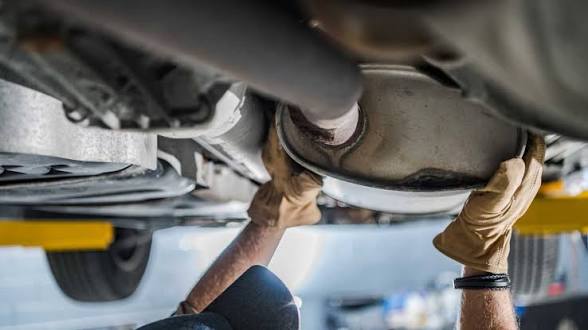
The exhaust system plays a critical role in your car’s performance, fuel efficiency, and safety, yet it is often one of the most neglected parts during routine maintenance. In Nigeria, where roads are rough, temperatures are high, and fuel quality can be inconsistent, the exhaust system faces extra stress from heat, vibration, moisture, and corrosive gases. A simple inspection done regularly can catch small problems before they become expensive repairs or safety hazards.
Here is a clear, practical guide to exhaust system inspection tips that every driver should follow.The exhaust system consists of several connected parts: the exhaust manifold, catalytic converter, oxygen sensors, muffler, resonators, pipes, and hangers. Its main jobs are to carry hot exhaust gases away from the engine, reduce harmful emissions, and quiet the engine noise. When any part fails, you may notice louder exhaust noise, reduced power, poorer fuel economy, a rotten egg smell, or the check engine light coming on.
Start your inspection by listening carefully while the engine is running. A healthy exhaust system produces a smooth, steady sound. Loud rumbling, hissing, or popping noises usually indicate a leak or a failing muffler. Hissing sounds often come from small holes or loose connections in the pipes or manifold. A deep rumbling noise that gets louder with acceleration frequently points to a damaged muffler or resonator. If the sound changes suddenly after hitting a pothole or speed bump, something may have been knocked loose or damaged.
Next, look for visible signs of damage. Safely raise the car on a jack or visit a workshop with a lift. Check the entire length of the exhaust system for rust, holes, dents, or loose connections. Rust is especially common in coastal areas like Lagos and Port Harcourt due to high humidity and salt in the air. Surface rust is normal, but perforations (holes) that allow gases to escape require immediate attention.
Pay close attention to the muffler and the area around the catalytic converter these parts are exposed to the most heat and moisture and tend to rust first.Examine the hangers and mounts that support the exhaust pipes. These rubber components absorb vibration and keep the system from banging against the underbody. Cracked, broken, or missing hangers allow the pipes to sag or hit the chassis, causing noise and potential damage.
Replace any damaged hangers promptly to prevent further problems.Check for black soot or stains around joints and seams. These dark marks usually indicate exhaust leaks. Small leaks can often be fixed with exhaust sealant or by tightening clamps, but large leaks near the manifold or catalytic converter usually require professional welding or part replacement.Pay attention to how the car performs. A clogged catalytic converter or damaged exhaust can cause a noticeable loss of power, especially when accelerating or climbing hills. The engine may feel sluggish, and fuel consumption can increase.
In severe cases, the car may enter limp mode to protect the engine. If you notice these symptoms along with a strong exhaust smell inside the cabin, have the system checked immediately.Oxygen sensors are another key part of the exhaust system. These sensors monitor oxygen levels in the exhaust gases and help the engine control unit adjust the fuel mixture. A failing oxygen sensor can cause poor fuel economy, rough idling, and increased emissions. Most cars have at least two oxygen sensors one before and one after the catalytic converter. Symptoms of a bad sensor include a check engine light, black smoke from the exhaust, or a sudden drop in mileage. Sensors typically last 80,000 to 150,000 km but can fail earlier in Nigeria due to heat and contaminated fuel.
During your inspection, also check the heat shields attached to the exhaust pipes and catalytic converter. These shields protect the floor of the car from excessive heat. Loose or missing heat shields often cause rattling noises, especially at idle or low speeds. They can usually be reattached or replaced relatively cheaply.Perform a basic exhaust inspection every six months or every 10,000 km. During harmattan, when dust is high, check more frequently because fine particles can accelerate corrosion.
After driving through deep water or heavy floods, inspect the system as soon as possible because water can cause rapid rusting inside the muffler and pipes.A well-maintained exhaust system improves fuel efficiency, reduces harmful emissions, eliminates annoying noises, and keeps your car running smoothly. Regular visual checks, listening for unusual sounds, and addressing small leaks or damage early can prevent major failures and keep repair costs low.
Make exhaust inspection a regular part of your car care routine and you will enjoy quieter, more efficient, and safer driving for many kilometres to come.