
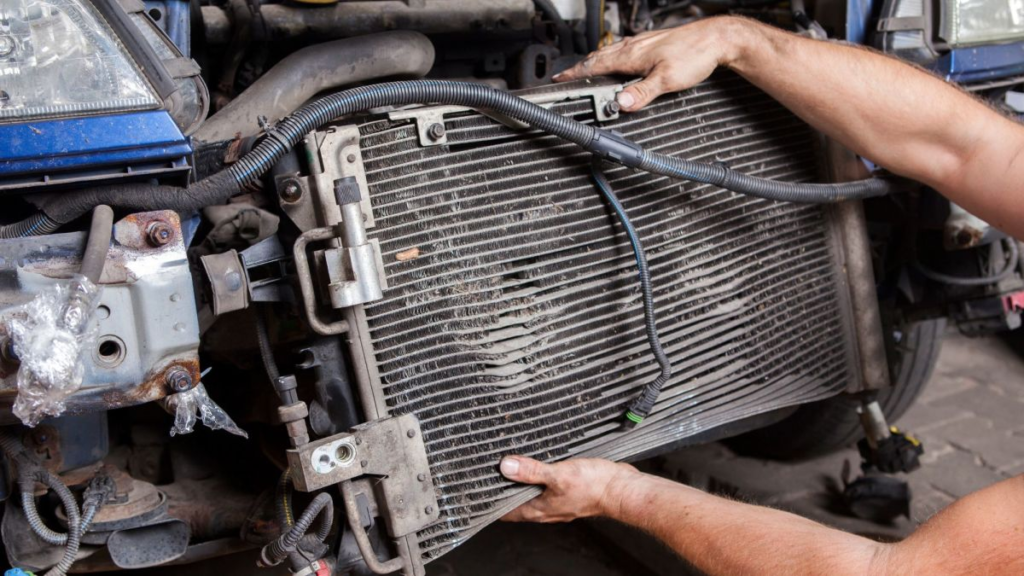
The radiator is the heart of your car’s cooling system, and keeping it in good condition is one of the best ways to prevent expensive engine damage in Nigeria’s hot climate. A well-maintained radiator helps regulate engine temperature, prevents overheating, and extends the life of critical components like the cylinder head, head gasket, and water pump. Neglecting radiator maintenance often leads to sudden breakdowns, warped heads, or complete engine failure, especially during long trips or heavy traffic.
Here is a clear, practical guide to the essential radiator maintenance steps every driver should follow.The radiator works by circulating coolant through its core so that air flowing over the fins can carry away heat. Over time, the system collects rust, scale, dirt, and old coolant residues that reduce cooling efficiency. In Nigeria, high temperatures, dusty harmattan winds, and frequent use of low-quality coolant make these problems appear faster. The first step in proper maintenance is using the correct coolant mixture.
Always mix coolant with distilled water in a 50/50 ratio unless your manual specifies otherwise. Tap water contains minerals that form deposits inside the radiator and engine passages. Use a coolant that meets the specification for your car most modern engines require long-life coolant (usually green, pink, or blue). Avoid mixing different types of coolant as they can form a gel that blocks the system.Check the coolant level regularly when the engine is cold. The expansion tank should be between the minimum and maximum marks. If the level is consistently low, look for leaks around hoses, the radiator, water pump, or heater core. Small leaks can often be spotted by pink, green, or orange stains.
Top up with the correct pre-mixed coolant rather than plain water.Inspect the radiator and hoses visually every month. Look for cracks, bulges, or soft spots on the rubber hoses. Squeeze the upper and lower radiator hoses when the engine is cold they should feel firm but slightly flexible. Hard, brittle, or spongy hoses should be replaced immediately. Check the radiator fins for bent or clogged areas caused by dust, insects, or road debris. Gently straighten bent fins with a screwdriver or fin comb, and clean clogged areas with low-pressure water or compressed air from the back to the front.Flush the cooling system every two years or 40,000 km, whichever comes first. Over time, old coolant loses its corrosion inhibitors and becomes acidic, accelerating rust and scale formation. A proper flush removes old fluid, deposits, and contaminants. Use a cooling system cleaner if the system is heavily soiled, then flush thoroughly with distilled water until it runs clear. Refill with fresh 50/50 coolant mixture. This simple service prevents overheating and prolongs the life of the water pump, thermostat, and radiator.
The radiator cap is another often-overlooked component. It maintains the correct pressure in the system (usually 13–16 psi), which raises the boiling point of the coolant. A faulty cap can cause coolant to boil at lower temperatures and lead to overheating. Test the cap at a workshop every year or replace it every two years as a precaution. A new radiator cap costs very little but provides important protection.Keep the front of the radiator clean. Mud, insects, and plastic bags easily block airflow through the fins, reducing cooling efficiency. During the rainy season and after driving on muddy roads, wash the radiator core gently with low-pressure water. During harmattan, dust buildup can be significant, so clean the radiator more frequently.Watch for early warning signs of radiator problems. The temperature gauge climbing higher than normal, steam from the hood, a sweet smell inside the car (coolant leaking), or frequent topping up of coolant are all indicators that something is wrong.
If the temperature warning light comes on, pull over safely, let the engine cool completely, and check the coolant level and for visible leaks before continuing.For cars that frequently overheat in traffic, consider installing an auxiliary electric fan or upgrading to a higher-capacity radiator if your model allows it. These modifications are common among drivers who use their vehicles for long hauls or carry heavy loads.Radiator maintenance is not complicated, but it requires consistency. Check coolant levels monthly, inspect hoses and the radiator core regularly, flush the system every two years, and replace the radiator cap periodically.
These simple habits prevent overheating, protect expensive engine components, and keep your car running reliably even in Nigeria’s demanding conditions. A well-maintained cooling system gives you confidence on both short city drives and long journeys.