
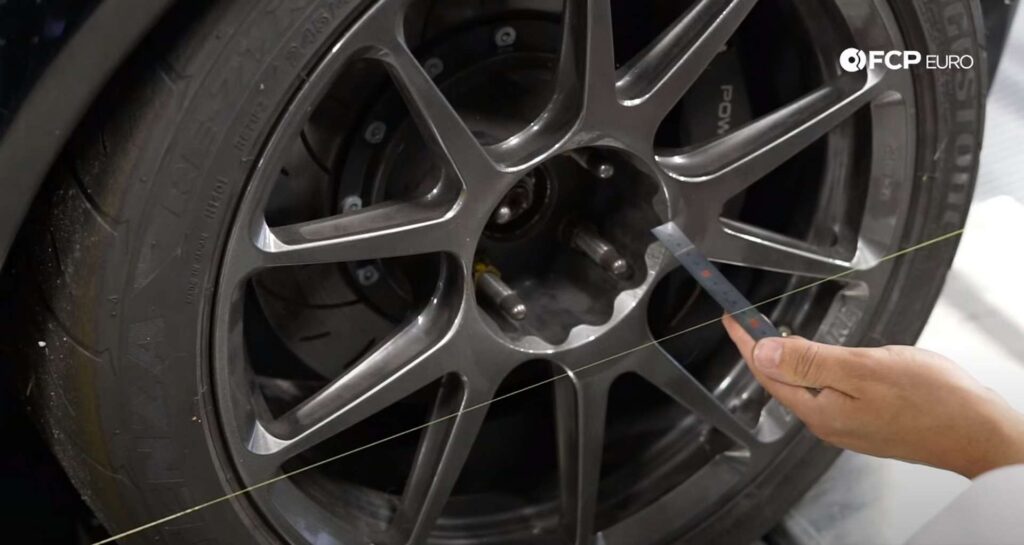
Wheel alignment adjustment is one of the most important yet often neglected maintenance tasks for cars in Nigeria. Our roads, filled with potholes, speed bumps, and uneven surfaces, constantly knock wheels out of alignment. When wheels are misaligned, the car pulls to one side, steering feels loose, tires wear unevenly, and fuel consumption increases. Proper alignment keeps your car tracking straight, improves handling, extends tire life, and makes driving safer and more comfortable. Here is a clear, practical guide to wheel alignment adjustment tips that every driver should know.The three main alignment angles are camber, caster, and toe. Camber refers to the inward or outward tilt of the wheels when viewed from the front. Caster is the backward or forward tilt of the steering axis when viewed from the side. Toe is the angle at which the front of the tires point inward or outward relative to each other. All three angles must be within the manufacturer’s specifications for the car to drive straight and for tires to wear evenly.The most common sign that your wheels need alignment is when the car pulls to the left or right even when the steering wheel is straight. You may also notice uneven tire wear, such as excessive wear on the inside or outside edges of the tread. A steering wheel that is off-center when driving straight down the road is another strong indicator. Vibration through the steering wheel at certain speeds or a feeling that the car wanders or feels loose can also point to alignment issues.In Nigeria, alignment problems often occur after hitting deep potholes, driving over large speed bumps too fast, or after suspension repairs. Even minor curb impacts or accidents can knock the alignment out. During harmattan, when roads are dusty and visibility is low, many drivers unknowingly hit potholes that misalign the wheels.The best time to check alignment is every 10,000 km or twice a year, and immediately after any suspension work or hitting a major pothole. Many workshops in Lagos, Abuja, and other cities offer four-wheel alignment services using modern computerised machines that provide precise readings and adjustments.Before alignment, ensure the tires are properly inflated to the recommended pressure. Uneven or incorrect tire pressure can give false alignment readings. Also check that there is no excessive play in the steering or suspension components such as ball joints, tie rod ends, or control arm bushings. Worn parts must be replaced before alignment can be accurate.During the alignment process, the technician places sensors on each wheel and uses a computer to measure the current camber, caster, and toe angles. The car is then adjusted by turning special bolts or eccentric cams on the suspension components until all angles fall within the manufacturer’s specifications. Four-wheel alignment is always recommended because adjusting the front wheels can affect the rear geometry.After alignment, take the car for a short test drive. It should track straight with the steering wheel centred and no pulling to either side. The steering should feel responsive and stable. If the car still pulls or the steering wheel is off-centre, return to the workshop for a recheck. Sometimes a second adjustment is needed after the car has settled.Proper wheel alignment brings several benefits. Tires wear more evenly, which can extend their life by 20 to 30 percent. The car handles better, especially during cornering and emergency manoeuvres. Fuel consumption improves because the engine no longer fights against misaligned wheels dragging sideways. The ride feels smoother and more stable, and the steering wheel remains centred when driving straight.
To maintain good alignment longer, avoid hitting potholes and speed bumps at high speed. Drive carefully over rough patches and slow down when you see poor road surfaces ahead. After any suspension repair or major impact, have the alignment checked. Keep your tires properly inflated and rotated regularly.Wheel alignment is a quick and relatively inexpensive service, usually costing between ₦8,000 and ₦15,000 for a four-wheel alignment in most Nigerian cities. The small investment pays for itself many times over through longer tire life, better fuel economy, and improved safety.Make wheel alignment part of your regular maintenance routine.
Check it every 10,000 km or twice a year, and always after hitting a deep pothole or carrying out suspension work. Proper alignment keeps your car driving straight, your tires lasting longer, and your journeys safer and more comfortable on Nigeria’s challenging roads.