
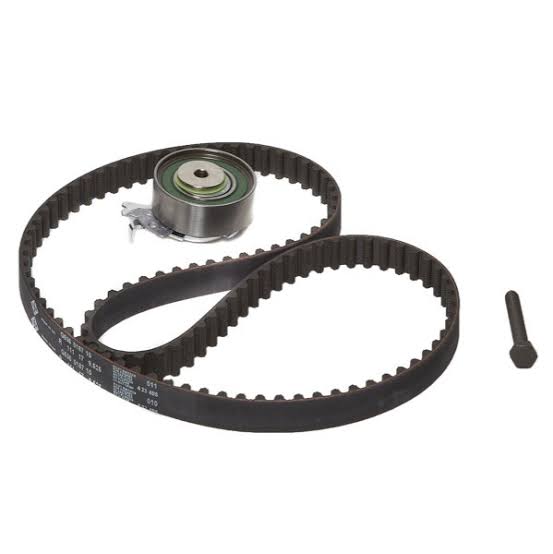
Belts and hoses are among the most critical yet often ignored components in any car. They quietly keep the engine running by driving the alternator, water pump, power steering pump, and air conditioning compressor, while hoses carry coolant, fuel, and brake fluid to where they are needed. In Nigeria’s hot climate, dusty harmattan winds, and heavy traffic, these rubber and reinforced parts age faster than in cooler countries. A single failed belt or burst hose can leave you stranded or cause serious engine damage. Regular inspection and timely replacement are simple habits that prevent expensive breakdowns and keep your car reliable.The two main belts you need to watch are the serpentine belt (also called the drive belt) and the timing belt (on engines that use one). The serpentine belt is a single long belt that snakes around multiple pulleys to power the alternator, power steering, and air conditioning. It is usually easy to see at the front of the engine. The timing belt, hidden behind a cover, synchronises the crankshaft and camshaft so valves open and close at the right time. A broken timing belt can cause catastrophic engine damage in interference engines, which many popular cars in Nigeria have.
Signs that a serpentine belt needs replacement include squealing or chirping noises, especially when starting the engine or turning on the air conditioning, visible cracks on the ribbed side, fraying edges, or glazing (a shiny, hardened surface). If the belt slips, you may notice dimming headlights, a weak or dead battery, or heavy steering. Most serpentine belts last 60,000 to 100,000 km, but in our conditions many mechanics recommend checking them every 20,000 km and replacing every 40,000–60,000 km.Timing belts are less visible but more critical. Manufacturers usually recommend replacement every 80,000 to 120,000 km or every 5 to 7 years, whichever comes first. In Nigeria’s heat, the rubber degrades faster, so many owners replace them closer to 60,000–80,000 km. Warning signs are harder to spot until it is too late, so follow the manufacturer’s schedule strictly. When replacing the timing belt, always replace the tensioner and idler pulleys at the same time because a failed pulley can break the new belt.Hoses carry vital fluids and are exposed to heat, pressure, and vibration. The main ones to monitor are the upper and lower radiator hoses, heater hoses, fuel hoses, and brake hoses.
Look for cracks, bulges, soft spongy spots, or leaks. Squeeze the hoses when the engine is cool they should feel firm but slightly flexible. Hard, brittle, or mushy hoses should be replaced immediately. A burst radiator hose can cause rapid overheating, while a leaking fuel hose is a fire hazard.Replacement is relatively straightforward for most serpentine belts. Locate the tensioner pulley, usually with a square hole for a ratchet or a bolt head. Use a long ratchet or breaker bar to rotate the tensioner and release pressure on the belt. Slip the old belt off the pulleys, route the new belt exactly according to the routing diagram (often on a sticker under the hood), and release the tensioner slowly. Double-check that the belt sits correctly in all pulley grooves before starting the engine.Hoses are replaced by draining the affected system (coolant for radiator hoses, fuel for fuel lines), loosening the clamps, and carefully pulling the old hose off.
Clean the connection points, fit the new hose, tighten the clamps securely, and refill the system. Always use high-quality replacement hoses designed for your car model to ensure proper fit and heat resistance.A few practical tips help belts and hoses last longer. Keep the engine bay clean to reduce dust buildup on rubber parts.
Check tension regularly too loose causes slipping and noise, too tight puts extra strain on bearings. During harmattan, dust can accelerate wear, so inspect more frequently. After any major repair involving the engine or cooling system, recheck all belts and hoses for proper routing and tension.Replacing belts and hoses at the right time is inexpensive insurance against roadside breakdowns and major engine damage.
Listen for unusual noises, watch for leaks or cracks, and follow the recommended replacement intervals. A few minutes of inspection during routine services can save you from being stranded or facing costly repairs later.
Keep your belts and hoses in good condition and your car will reward you with reliable, trouble-free performance on Nigeria’s demanding roads.