
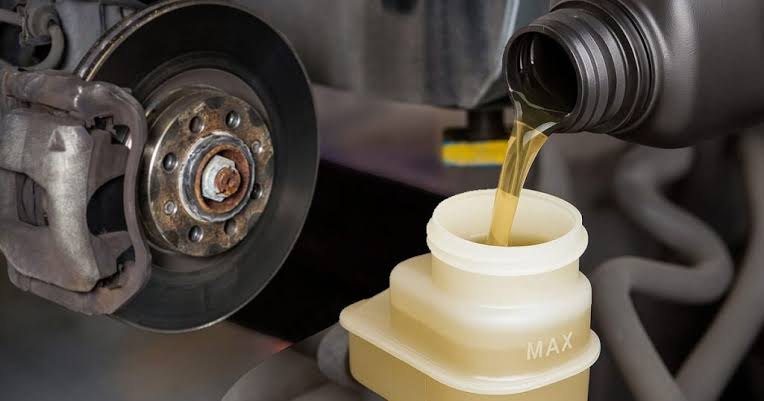
Brake fluid is one of the most critical yet often neglected fluids in your car. While many drivers remember to change engine oil regularly, brake fluid is frequently ignored until the pedal feels soft or the brakes start to fade. In Nigeria’s hot climate, heavy traffic, and dusty conditions, brake fluid absorbs moisture faster than in cooler regions, which lowers its boiling point and reduces braking performance. A timely brake fluid flush keeps the braking system reliable, prevents corrosion inside the brake lines and calipers, and can avoid expensive repairs later.
Here is a clear, practical guide to brake fluid flush tips that every driver should follow.Brake fluid is hygroscopic, meaning it naturally attracts and absorbs moisture from the air over time. Once moisture enters the system, the fluid’s boiling point drops significantly. In heavy braking or hot weather, the fluid can boil, creating air bubbles that make the brake pedal feel spongy and reduce stopping power.
Moisture also causes internal corrosion of metal components, leading to costly damage to the master cylinder, ABS module, and wheel cylinders. In Nigeria, where temperatures under the hood often exceed 70 °C and many cars sit in traffic for long periods, this process happens much faster. Most manufacturers recommend flushing and replacing brake fluid every two years or 40,000 km, whichever comes first. In our conditions, many mechanics advise doing it every 24 months or 30,000 km for safety.The most common type of brake fluid used in Nigerian cars is DOT 4. It has a higher boiling point than the older DOT 3 and is compatible with most modern vehicles. Some high-performance or newer cars require DOT 5.1. Never mix different types of brake fluid, as they can react and damage seals.
Always use fluid from a sealed container and avoid using fluid that has been open for more than a few months, because it absorbs moisture from the air even when stored.The flushing process involves removing the old contaminated fluid and replacing it with fresh fluid. A simple bleed is not enough; a full flush pushes new fluid through the entire system, including the ABS module if equipped.
The best method is to use a professional brake fluid flush machine that pressurises the system and removes old fluid while adding new fluid. This service usually costs between ₦15,000 and ₦30,000 depending on the workshop and car model. If a machine is not available, a two-person manual flush can be done by opening the bleed screws at each wheel while a helper pumps the brake pedal.Before starting a flush, check the brake fluid reservoir. The fluid should be clear or light amber. Dark brown or black fluid is a sign that it is heavily contaminated and needs immediate replacement. If the level is low, look for leaks in the brake lines, calipers, or master cylinder before adding new fluid.After the flush, the brake pedal should feel firmer and more responsive.
Test the brakes at low speed in a safe area to make sure they are working properly. It is normal for the pedal to feel slightly different immediately after a flush as air is removed from the system.To keep brake fluid in good condition longer, avoid opening the reservoir cap unnecessarily, as this allows moisture to enter. Park the car in shade when possible to reduce under-hood temperatures. During the rainy season, check for water contamination if you have driven through deep floods.
Replace the brake fluid strictly according to the recommended interval even if the fluid still looks clear, because moisture can be present without obvious colour change.A brake fluid flush is a relatively inexpensive service that delivers important safety benefits. Fresh fluid maintains a high boiling point, prevents internal corrosion, and ensures consistent brake performance even during emergency stops or long descents. By flushing the system every two years or 30,000–40,000 km in Nigerian conditions, you protect the entire braking system and enjoy confident, reliable braking every time you drive.Make brake fluid maintenance part of your regular service schedule.
Ask your mechanic to include a brake fluid test and flush during major services. The small effort and cost involved can prevent brake failure, reduce repair bills, and most importantly keep you and your passengers safe on Nigeria’s demanding roads.