
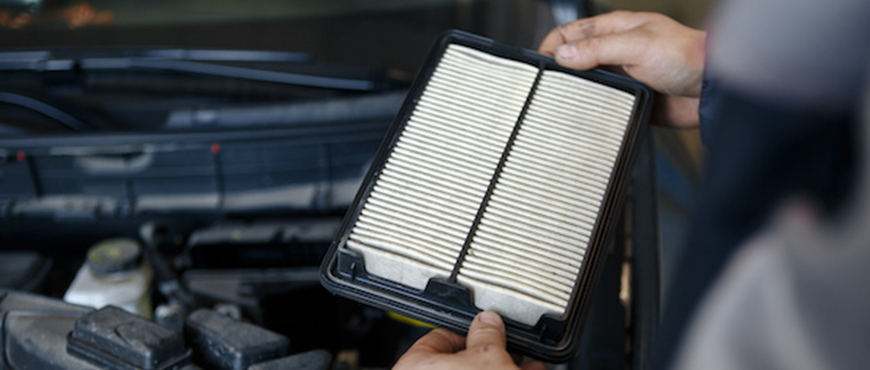
A clean cabin air filter makes a surprising difference to the comfort and health of everyone inside your car, yet it is one of the most frequently ignored maintenance items in Nigeria. This small filter, usually located behind the glove box or under the dashboard, cleans the air that enters through the ventilation system before it reaches your face. In our dusty harmattan season, heavy traffic pollution, and humid rainy conditions, the cabin air filter becomes clogged very quickly, forcing the blower motor to work harder and allowing dust, pollen, exhaust fumes, and mould spores to circulate inside the cabin. Replacing or cleaning it regularly improves air quality, reduces allergies, prevents musty odours, and helps the air conditioning system perform more efficiently.The cabin air filter’s job is to trap particles such as dust, pollen, soot, and bacteria before they enter the passenger compartment.
A clean filter ensures strong airflow from the vents and keeps the evaporator coil cleaner, which reduces the chance of mould growth. When the filter becomes clogged, you will notice weaker airflow even when the fan is on high, a musty smell when the AC is running, increased dust on the dashboard, and more frequent fogging of the windshield. In extreme cases, a completely blocked filter can strain the blower motor and lead to premature failure.Most manufacturers recommend inspecting the cabin air filter every 10,000 to 15,000 km and replacing it every 20,000 to 30,000 km.
In Nigeria, where dust levels are high, many drivers find that changing it every 15,000 km or twice a year (before harmattan and before the rainy season) gives the best results. Cars used mainly in heavy Lagos or Abuja traffic or on unpaved roads may need replacement even sooner.Replacing the cabin air filter is usually a simple DIY job that takes 10 to 20 minutes. First, locate the filter housing. In most cars it is behind the glove box. Open the glove box, squeeze the sides or release the stops, and let it drop down. You will see a rectangular plastic cover.
Remove the clips or screws holding the cover, pull out the old filter, and note which way the airflow arrows are pointing. Clean any loose dust or debris from the housing with a vacuum or damp cloth. Insert the new filter in the correct direction (arrows usually point toward the blower motor), snap the cover back on, and lift the glove box into place.
When buying a replacement filter, choose a quality brand such as Bosch, Mann, Mahle, or a good aftermarket equivalent. Some filters come with activated charcoal layers that help reduce odours and harmful gases. Avoid very cheap no-name filters that may collapse or allow dust to pass through. The cost of a good cabin air filter usually ranges from ₦3,000 to ₦8,000 depending on the car model.In addition to replacement, a few simple habits help the filter last longer and keep the cabin air fresher. Run the air conditioning on recirculate mode when driving in dusty or polluted areas to reduce the amount of outside air the filter has to clean. During harmattan, wipe the filter housing and vents more frequently to remove accumulated dust. If your car has been parked for a long time, run the fan on high with fresh air mode for a few minutes before driving to blow out any settled dust. For cars that develop a musty smell, use an antibacterial spray or foam designed for evaporator coils after replacing the filter.
A clogged cabin air filter does more than reduce cooling power. It forces the blower motor to draw more current, which can drain the battery slightly and increase fuel consumption. Poor air quality inside the car can also worsen allergies and respiratory discomfort, especially for children and older passengers. Replacing the filter regularly is a small effort that delivers noticeable improvements in comfort and system performance.Make cabin air filter inspection part of your routine maintenance schedule. Check it every time you change the engine air filter or at least twice a year.
A clean cabin air filter ensures stronger airflow, fresher air, and a more comfortable driving environment, particularly during the long hot months and dusty harmattan season. Taking a few minutes to replace this often-forgotten filter is one of the easiest ways to improve your daily driving experience and protect the health of everyone in the car.