
Differential oil change is one of the most overlooked yet critical maintenance tasks for vehicles in Nigeria. The differential is the component that allows the wheels to rotate at different speeds while transferring power from the transmission to the axles. In our tough driving conditions potholes, overloaded vehicles, dusty harmattan, and frequent stop-go traffic the differential works hard and its oil breaks down faster than many drivers realise. Neglecting it can lead to whining noises, increased fuel consumption, overheating, and eventually expensive differential failure. Changing the differential oil at the right time keeps the gears properly lubricated, reduces wear, and extends the life of this important component.The differential contains a set of gears bathed in special gear oil that cushions metal-to-metal contact, dissipates heat, and prevents corrosion. Over time, the oil becomes contaminated with metal particles from normal wear, moisture from temperature changes, and fine dust that enters through breathers or seals. In hot Nigerian weather, the oil thins out and loses its protective qualities much quicker.
For most rear-wheel-drive and four-wheel-drive vehicles, manufacturers recommend changing the differential oil every 40,000 to 60,000 km. However, in Nigeria, where many cars carry heavy loads or travel on rough roads, changing it every 30,000 to 40,000 km is a safer practice. Front-wheel-drive cars with a transaxle usually share the transmission fluid, but all-wheel-drive and rear-drive models have separate differentials that need individual attention.The type of oil used is crucial. Always follow the specification in your owner’s manual. Most rear differentials require 80W-90 or 75W-90 gear oil with GL-4 or GL-5 rating. Limited-slip differentials often need special additives or friction modifiers to prevent chatter. Using the wrong viscosity or rating can cause noise, poor performance, or accelerated wear.
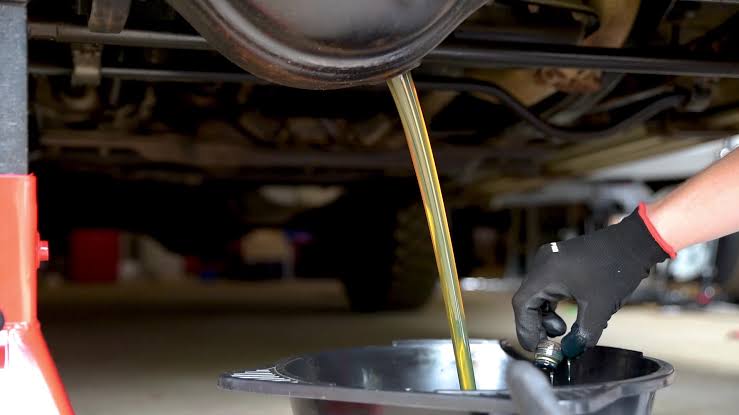
Synthetic gear oils are worth the extra cost in our climate because they maintain their protective film better under high temperatures and last longer than conventional mineral oils.To check the differential oil level, park the car on level ground and locate the filler plug on the differential housing. It is usually a large bolt on the side of the housing. Remove the plug and insert your finger or a clean tool. The oil should be level with the bottom of the filler hole. If it is low, top it up with the correct grade until it just starts to trickle out. While checking, also inspect the oil’s condition. Fresh gear oil is usually amber or light brown and has a smooth texture. Dark, thick, or metallic-smelling oil indicates it is time for a change.When performing a differential oil change, warm up the vehicle first by driving for 10 to 15 minutes so the oil flows more easily. Place a drain pan underneath the differential and remove the drain plug at the bottom.
Allow the old oil to drain completely. While the oil is draining, clean the magnetic drain plug thoroughly because it collects metal particles that indicate internal wear. If you see excessive metal filings or chunks, have a mechanic inspect the differential for damage. After draining, reinstall the drain plug with a new washer if necessary and refill through the filler hole until the oil level reaches the bottom edge. Do not overfill.
Replace the filler plug and take the car for a short test drive, then recheck for leaks and top up if needed.Many mechanics in Nigeria recommend combining differential oil changes with transmission or transfer case services during major servicing. This keeps all drivetrain fluids fresh and prevents cross-contamination. For vehicles that frequently tow loads, carry extra passengers, or travel on rough roads, shorten the interval further and consider using a higher-quality synthetic gear oil with better thermal stability.
Pay attention to warning signs that the differential oil needs changing sooner. A whining or howling noise that increases with speed often indicates low or contaminated oil. Clunking sounds when accelerating or decelerating can mean worn gears or bearings due to poor lubrication. Increased vibration or a burning smell from the rear of the car are also red flags. Addressing these symptoms early can prevent complete differential failure, which is far more expensive to repair.Regular differential oil changes are a small investment that delivers big returns in reliability and longevity.
By checking the level and condition periodically and changing the oil every 30,000 to 40,000 km under Nigerian conditions, you protect the gears, reduce noise and vibration, and keep your vehicle running smoothly for many more kilometres. Make differential maintenance part of your regular service schedule and you will avoid costly surprises while enjoying quieter and more efficient driving.