
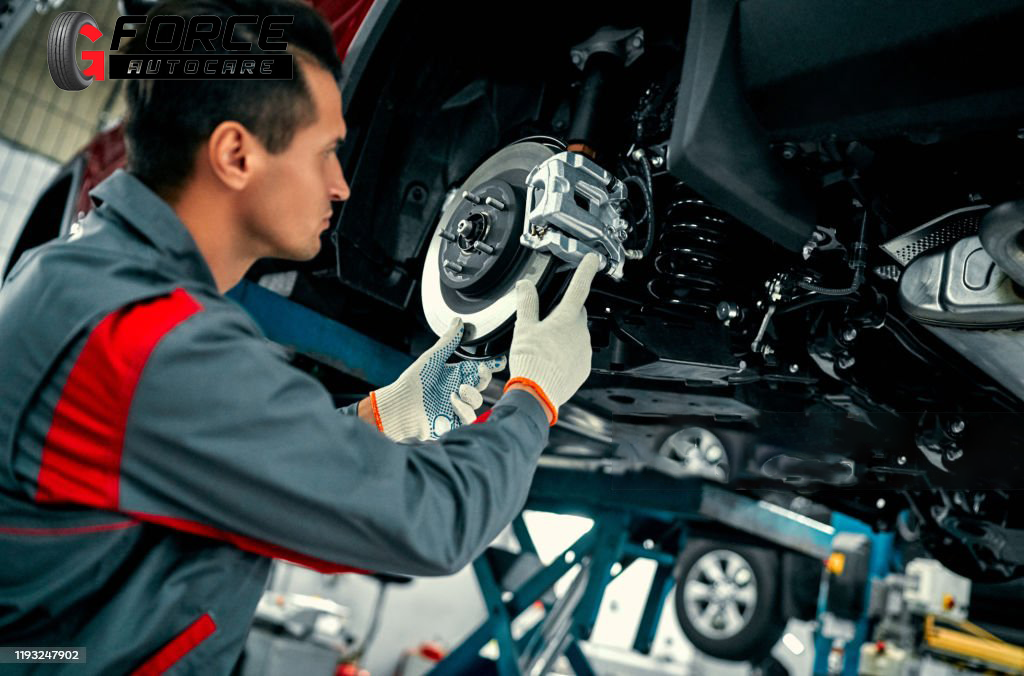
Your brakes are the only thing between you and disaster on Nigerian roads. Potholes, reckless okadas, sudden goats, and danfo drivers who stop anywhere mean you need brakes that respond instantly. Many people drive until the pedal hits the floor before they visit a mechanic. By then, it is often too late and too expensive. Here are the seven most common warning signs. If your car shows even one, fix it this week, not next month.
Squealing or Screeching Noise When You Brake
That high-pitched metal-on-metal scream is not normal. Most brake pads have a small metal tab called a wear indicator. When the pad material gets thin, the tab rubs the rotor and makes that terrible noise. On Lagos Third Mainland Bridge at 100 km/h, thin pads can overheat and fade completely. Replace pads immediately; a set costs ₦15,000–₦35,000 depending on your car.
Grinding Sound
If it has moved from squealing to deep grinding, you are already driving on metal. The pad is completely finished and the metal backing plate is eating your rotor. A new rotor plus pads can jump to ₦80,000 or more. Stop driving and tow the car if possible.
Soft or Spongy Brake Pedal
When you press the pedal and it slowly sinks to the floor or feels like stepping on foam, air or moisture is inside the brake lines, or the master cylinder is failing. This happened to a friend in Benin-Ore road; the pedal went straight to the floor at a police checkpoint. Luckily he used the handbrake. Bleed the system or replace the master cylinder before you become a statistic.
Car Pulls to One Side When Braking
If the car suddenly swerves left or right the moment you touch the brake, one side is working harder than the other. Common causes are stuck caliper, collapsed brake hose, or leaking wheel cylinder (in cars with drum rear brakes). On a rainy day on Abuja-Kaduna express, this can send you into the bush. Visit a trusted mechanic the same day.
Vibration or Pulsation in the Brake Pedal
You feel the pedal shaking or pulsing like ABS kicking in, even on dry roads. Usually it means the rotors are warped from overheating (common when you ride the brakes down long slopes like Mambilla or Obudu). Resurfacing or replacing rotors is cheaper than replacing the entire braking system after an accident.
Burning Smell After Hard Braking
After coming down a steep hill or escaping heavy traffic, you smell something like burning paper or hot metal around the wheels. Your brakes are overheating. Pads are glazed or the caliper is seized. Pull over, let them cool for 30 minutes, and get to a workshop. Continuing to drive can start a fire.
Warning Light on the Dashboard
The red BRAKE light or orange ABS light is not decoration. Low brake fluid, worn pads (in cars with sensors), or ABS module failure will trigger it. Some people reset the light and keep driving. Do not join them. Scan the car or check fluid level immediately.
Bonus Red Flag: Brake Fluid Leaks
Look under the car after parking. Any wet patch that is not water or AC condensation is probably brake fluid (clear or light brown). A single drop can turn into total brake failure in hours.
Fixing brakes early is cheap compared to hospital bills or panel beating. A full brake service (pads, fluid flush, cleaning calipers) rarely costs more than ₦100,000 for popular cars like Corolla, Camry, or Civic. Drive to your mechanic today if any of these signs sound familiar. Your family wants you home in one piece, not in an ambulance.