
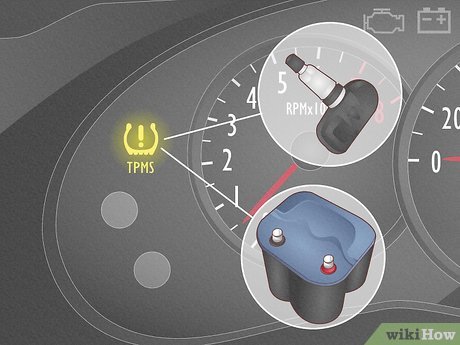
Seeing that TPMS light illuminate on your dashboard can spark a mix of frustration and concern, especially if you’re not sure whether it’s a quick fix or a sign of bigger trouble. TPMS stands for Tire Pressure Monitoring System, a safety feature mandated in vehicles since 2007 that alerts you to underinflated tires, which can lead to blowouts, poor handling, or reduced fuel efficiency. The light typically looks like a horseshoe with an exclamation mark inside, and it might stay solid or blink. Deciding between a simple reset and actual repairs boils down to diagnosing the cause accurately. From reviewing guidance from tire experts at places like Grease Pro and Burt Brothers, plus practical advice from mechanics on forums and YouTube, here’s a straightforward breakdown to help you figure it out and get back on the road safely.
Understanding Why the TPMS Light Comes On
Before jumping to solutions, it’s key to know the triggers. The most common reason is low tire pressure in one or more tires. Federal standards require the system to warn you if pressure drops 25% below the recommended level, which is usually 30-35 psi for most passenger cars, check your door jamb sticker or owner’s manual for exact specs. Cold weather can cause this naturally, as air contracts, dropping pressure by about 1 psi for every 10-degree temperature dip. A slow leak from a puncture, faulty valve stem, or even seasonal changes might be at play.
If the light blinks for 60-90 seconds before going solid, that’s often a system fault, not just low pressure. This could mean a dead sensor battery (they last 5-10 years), a damaged sensor from potholes or improper tire mounting, or interference from aftermarket wheels. In rare cases, it’s a malfunction in the car’s computer module. Sensors are wireless and transmit data to the dashboard, so corrosion or road debris can disrupt them. Ignoring the light isn’t smart, underinflated tires wear faster, costing you $100-200 extra per set, and increase accident risks.
Step-by-Step: How to Reset the TPMS Light
If low pressure is the culprit, resetting often just means correcting it and letting the system recalibrate. Start by checking all four tires (plus the spare if equipped) with a reliable gauge, don’t trust gas station ones, as they’re often off by 3-5 psi. Inflate to the recommended pressure when tires are cold, meaning the car hasn’t been driven for at least three hours. Overinflating slightly (by 2-3 psi) can compensate for heat buildup during driving.
Once inflated, drive the vehicle for 10-20 minutes at speeds over 50 mph. This allows the sensors to send updated readings and often turns the light off automatically. For many models like Hyundais or Toyotas, that’s all it takes, the heat and rotation help the system relearn. If your car has a TPMS reset button (usually under the steering wheel or in the glove box), hold it until the light blinks three times, then release and drive for 20 minutes. This manual reset is common in brands like Honda or Ford.
Some vehicles require a relearn procedure, especially after tire rotations or replacements. You might need a TPMS tool like the XTOOL TP150, which scans and reprograms sensors, handy for DIYers and costs around $100. Apps or OBD-II scanners can sometimes handle this too. If the light goes off after these steps, great, monitor pressures weekly to prevent recurrence. But if it stays on despite proper inflation, don’t keep resetting; that’s a cue for repairs.
When Resetting Isn’t Enough: Signs You Need Repairs
Not every TPMS issue resolves with air and a drive. If the light persists or blinks continuously, it’s likely a hardware problem. A bad sensor is the top offender, batteries die after 50,000-100,000 miles, and replacements cost $50-100 each, plus $50-100 labor. Shops use diagnostic tools to identify which wheel’s sensor is faulty, as the light doesn’t specify. Look for symptoms like erratic pressure readings on the dashboard display (if your car has one) or the light coming on randomly.
Damage from impacts is another common repair trigger. Hitting a curb can crack the sensor housing, letting moisture in and causing corrosion. In these cases, a full sensor swap is needed, and if multiple are bad, consider doing all four for consistency. For older cars, the entire TPMS module might fail, running $200-500 to fix. If you’ve recently changed tires, improper installation could have damaged sensors. always go to a shop familiar with TPMS.
Weather extremes play a role too. In salty winter areas, corrosion builds faster, so inspect valve stems for rust. If the light only appears in cold snaps but pressures are fine, it might be a weak battery struggling in low temps. Professional diagnosis is crucial here; a mechanic can use a TPMS activation tool to ping each sensor and confirm functionality. Skipping repairs risks false security, tires could be low without warning, leading to flats or hydroplaning.
Costs and Considerations for Reset vs. Repair
Resetting is free if it’s just low pressure, grab a $10 gauge and use free air at stations. But if you need a tool for relearning, budget $50-150 for a basic one. Repairs start low: a single sensor replacement might total $100-200, but doing all four jumps to $400-800, including alignment if tires were affected. Dealerships charge more (up to 50% extra) than independent shops, so shop around.
Prevention saves the most. Maintain proper pressures monthly, rotate tires every 6,000 miles, and avoid overloading your vehicle, which stresses sensors. When buying new tires, opt for TPMS-compatible ones and have sensors serviced during mounting. For electric or hybrid cars, note that some systems are more sensitive due to weight differences.
In the end, treat the TPMS light as a helpful nudge rather than a nuisance. Start with a reset by checking and inflating tires, then drive to see if it clears. If not, head to a trusted mechanic for a scan, better safe than stranded. Keeping your system in check not only extends tire life but boosts safety and efficiency. Next time the light pops on, you’ll know exactly what to do.