
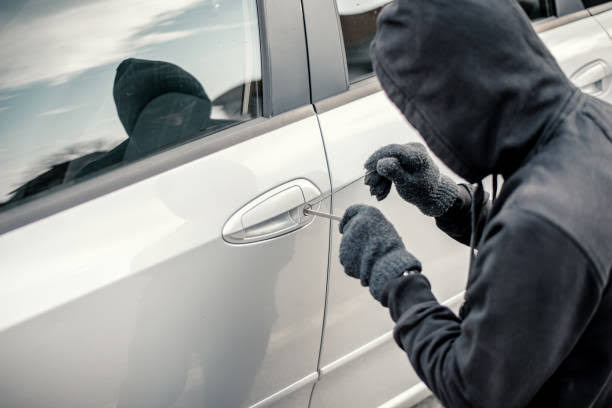
Carjacking remains a real risk on Nigerian roads, especially in urban areas like Lagos, Abuja, Port Harcourt, and some parts of the North. It usually happens when criminals target drivers at vulnerable moments: traffic jams, red lights, filling stations, or quiet side streets. The goal is not always to steal the car itself, sometimes they want valuables, cash, or the vehicle for a quick getaway. Understanding their patterns and taking simple precautions dramatically lowers the chance of becoming a victim.
The first rule is awareness of your surroundings. Criminals prefer distracted or predictable drivers. Never use your phone while stopped in traffic or at a junction. Keep windows at least halfway up in slow-moving or stopped traffic and lock all doors the moment you enter the car. In high-risk areas, avoid stopping completely, if possible, creep forward slowly so you can accelerate away quickly if someone approaches. Many incidents happen when drivers are focused on their phones or looking for something inside the car. Stay alert, scan mirrors constantly, and watch for people walking too close or motorcycles riding alongside.
Choose your routes wisely. Avoid isolated or poorly lit roads, especially after dark. Stick to main highways and busy streets where other vehicles and people are present. If you must use a shortcut, do it during daylight and avoid routes known for incidents (local drivers and security updates often share these). In cities, stay in well-lit, populated areas even if it means a longer drive. Filling stations at night are high-risk spots, many carjackings occur there. If you need fuel after dark, choose busy stations with security, attendants, and good lighting.
Never resist if confronted. Carjackers often carry weapons, and your life is worth more than the car or any belongings. If someone points a gun or threatens you, hand over the keys immediately, step out calmly, and move away. Do not argue, reach for anything, or try to drive away. Most carjackers want the vehicle quickly and will not chase you if you comply. Once safe, report the incident to the police and your insurance company right away, many policies cover theft, but you need a police report.
Preparation reduces risk. Keep valuables out of sight. Do not leave bags, phones, or laptops visible on seats. Park in well-lit areas with security if possible and use paid parking lots in high-risk zones. Install a tracking device (popular ones like those from local security firms) so you can locate the car if stolen. Some drivers use a hidden kill switch that disables the ignition, useful if the car is taken but you want to limit how far it goes.
For women and families, extra caution helps. Avoid driving alone at night when possible. If you must, let someone know your route and expected arrival time. In traffic, position your car so you can see the vehicles around you clearly and have an escape path. Keep a charged phone ready with emergency numbers saved: police 112 or 767, FRSC 122, and a trusted contact.
Drive predictably but stay unpredictable in small ways. Do not follow the same route every day if you commute. Vary your timing slightly. If someone follows you suspiciously, do not drive home, head to a police station, busy filling station, or crowded area. Criminals often abandon the chase when they realize you are heading toward safety.
These steps are drawn from real advice given by FRSC officials, security consultants, and drivers who have avoided or survived attempts. No method is 100 percent foolproof, but combining awareness, smart habits, and quick compliance greatly reduces risk. Stay alert, stay calm, and prioritize safety over possessions. Safe driving.