
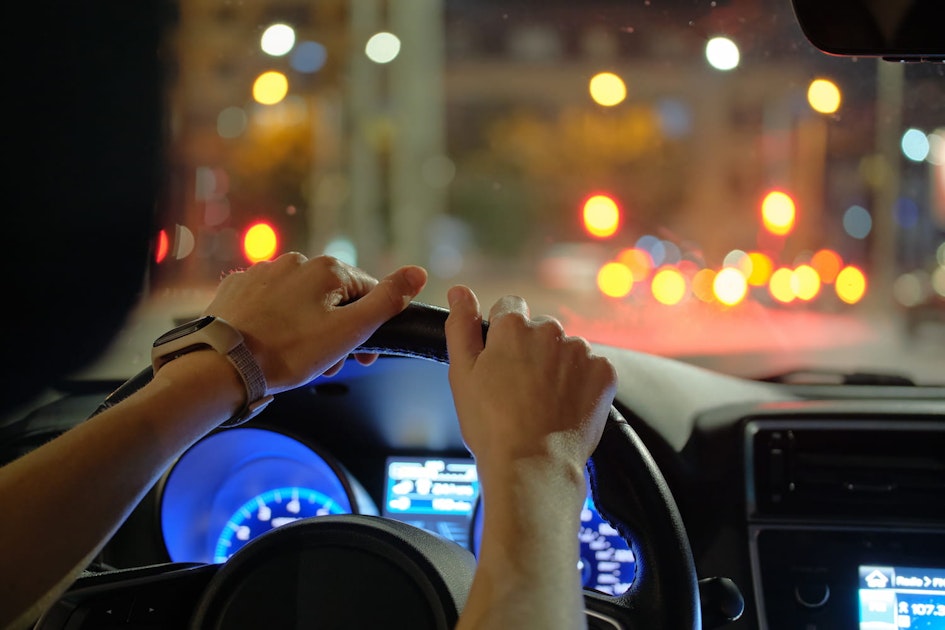
Night driving in Nigeria brings challenges that daytime driving simply does not have. Reduced visibility, tired drivers, poorly lit roads, and the sudden appearance of animals or pedestrians turn ordinary journeys into high-risk ones. Many serious accidents happen after dark, often because drivers underestimate how much conditions change when the sun goes down. The good news is that most of these risks can be managed with simple habits and preparation. Here are practical tips that make a real difference on highways like Lagos-Ibadan, Abuja-Kaduna, Enugu-Port Harcourt, and other major routes.
Keep your headlights clean and working properly. Dust, bugs, and road grime build up fast, cutting light output by half or more. Clean the lenses before every night trip with a damp cloth and mild soap. Check that both high and low beams work, along with taillights and brake lights. Dimmed or burnt-out bulbs are common and dangerous—replace them immediately. Many drivers forget to switch from high beam to low when meeting oncoming traffic, blinding others and increasing crash risk. The rule is simple: high beam only when no one is coming toward you.
Adjust your speed to match what you can actually see. At night, your headlights illuminate only a small area ahead, so reaction time and stopping distance shrink dramatically. Slow down on unfamiliar roads, especially those with sharp bends, hills, or known pothole zones. In rural areas, animals like goats, cows, and dogs often wander onto the road without warning. Reduce speed further in harmattan fog or heavy rain when visibility drops below 50 meters. The general advice from experienced drivers is to drive at a pace where you can stop within the distance your headlights reach.
Stay alert and manage fatigue. Night driving demands more concentration because your eyes work harder in low light. Avoid driving between 11 pm and 5 am if possible—these are the peak hours for drowsy crashes. If you must drive late, stop every two hours for a short break, stretch, and drink water. Caffeine helps temporarily but is not a substitute for rest. Keep the cabin cool and play music that keeps you engaged. Never drive after drinking alcohol—reaction times slow even more at night, and enforcement is stricter on major highways.
Use your mirrors and scan constantly. Check side and rearview mirrors frequently to spot approaching vehicles, especially fast trucks or buses that may not dim lights. Watch for pedestrians in dark clothing who appear suddenly near markets or villages. On unlit roads, look for reflective road signs or the eyes of animals in your beam. Avoid staring directly at oncoming high beams—shift your gaze slightly to the left edge of the road to maintain night vision.
Prepare your car for night conditions. Make sure wipers and washers work well—night rain mixed with dust creates dangerous glare. Keep a flashlight, warning triangles, and a reflective vest in the car. If you break down, get everyone out on the safe side and place triangles at least 50 meters back. Never stand in the road while changing a tire. Carry a charged phone and know emergency numbers: FRSC on 122 or 08077690361.
Be extra cautious around commercial vehicles. Many trucks and buses drive with faulty lights, overloaded, or without proper brakes. Give them wide space, especially when overtaking. Never overtake on blind corners or hills at night, wait for clear visibility.
Night driving on Nigerian roads demands extra care, but it is manageable when you drive slower, stay alert, keep the car in good condition, and expect others to make mistakes. Simple habits like clean headlights, reduced speed, and constant scanning prevent most problems. Make these part of your routine, and your night journeys will be safer and less stressful.