
Nigeria’s weather throws everything at your car: scorching heat year-round, heavy downpours during the rainy season from April to October, thick dust during Harmattan from November to February, and high humidity in many areas. These conditions combine with our roads—full of potholes, poor drainage, and heavy traffic—to create specific problems that drivers face more often here than in milder climates. From talking to mechanics in Onitsha, reading FRSC advisories, and checking local auto blogs and reports, I’ve pulled together the most common issues. Understanding them helps you spot trouble early and keep your car running longer.
Overheating tops the list, especially in the dry, hot months. High temperatures make coolant break down faster, and traffic jams in places like Lagos or Onitsha mean engines sit idle under load. Low coolant levels, clogged radiators from dust, or worn water pumps lead to steam from the hood and warning lights. Many roadside breakdowns happen because of this. Check your coolant reservoir monthly, top up with the right mix, and flush the system every two years. A clean radiator fan and no leaks prevent most cases.
Dust during Harmattan clogs air filters quickly—sometimes in weeks. Fine Sahara particles reduce engine airflow, causing rough idling, higher fuel use, and even misfires. Cabin filters get blocked too, making AC less effective and letting dust inside. Replace air filters every 3,000 to 5,000 kilometers during this season, and wash the car often to remove dust that scratches paint or builds up in crevices. Harmattan’s dry air also stresses batteries, leading to corrosion on terminals and quicker fluid evaporation in non-sealed types. Clean terminals and test the battery before the season hits.
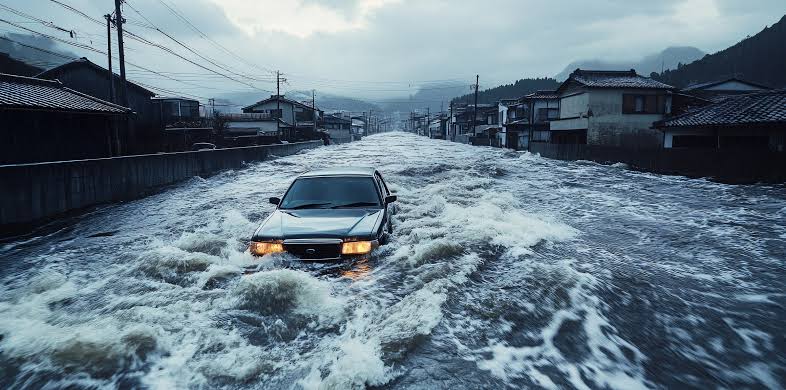
Rainy season brings flooding and slippery roads, which hit brakes and tires hard. Water gets into brake lines or pads, reducing friction and causing spongy pedals or longer stopping distances. Rust forms fast on rotors and underbody parts if the car sits wet. Hydroplaning happens when worn tires lose contact on puddles, common in heavy rain. FRSC warns drivers to replace bald tires and wipers before rains start, good tread and working blades are crucial. Avoid deep floods if possible; driving through them risks hydro lock, where water enters the engine intake and bends rods. Electrical issues follow too: soaked wiring shorts out lights, sensors, or the starter.
Potholes, worsened by rains, damage suspension, shocks, and tires. Hitting one hard bends rims, cracks ball joints, or misaligns wheels, leading to uneven tire wear and vibrations. Reinforced tires help on bad roads, but regular alignment checks save money. Underbody rust accelerates from water and mud splashing up, especially on older cars without protection.
Humidity and heat speed up other wear. Rubber hoses and belts crack sooner, leading to leaks or snaps. Battery life drops in hot, humid spots, expect 2-3 years instead of longer. Fuel quality varies, and dust contaminates it faster, so dirty injectors or filters cause poor performance.
Transmission and power steering fluids thin out in heat, leaking or foaming if seals dry. Low levels mean hard shifts or whining. Brake fluid absorbs moisture over time, lowering boiling point and causing fade in traffic.
Paint fades from intense sun and dust scratches, while bird droppings or tree sap bake on in heat. Regular waxing shields it.
To handle these, stick to a maintenance routine: inspect fluids often, change oil more frequently (every 5,000 km in bad conditions), keep tires at proper pressure, and service AC before Harmattan. Park in shade when possible, and use covers during dust storms.
FRSC data shows faulty vehicles cause many crashes, with weather making issues worse, brake failures in rain or overheating in heat. Staying ahead prevents that.
These problems aren’t unique to Nigeria, but our mix of extreme weather and road conditions amplifies them. By knowing what to watch for, steam, strange noises, warning lights, or puddles, you catch things early. Visit a trusted mechanic regularly, especially before seasons change. It keeps your car reliable, saves cash on big fixes, and makes driving safer on our challenging roads. Stay vigilant out there.