
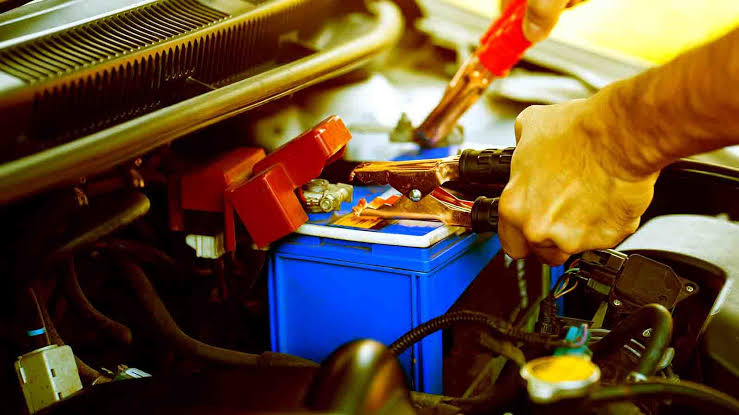
A dead battery always seems to happen at the worst time like when you are rushing to work in Lagos traffic or starting a long trip from Port Harcourt to Abuja. Batteries in Nigeria face extra challenges from the heat, dust, and frequent short drives that do not let them recharge fully. The average car battery lasts 3 to 5 years here, but with the right habits, you can push it closer to 5 or even longer. It all comes down to regular checks and simple care that keeps it healthy. Let us go through what works, explained so you can do it yourself without fancy tools.
Keep the Battery Clean and Secure
Dirt, corrosion, and vibration are battery killers. That white or green buildup on the terminals comes from acid vapors and blocks the flow of electricity. Clean it every 3 months: mix baking soda and water into a paste, apply with an old toothbrush, scrub gently, then rinse with clean water and dry. Tighten the terminals after loose connections cause poor charging and starting issues. The battery should sit firmly in its tray; if it wobbles from rough roads, secure it with the hold-down clamp. Loose batteries vibrate, which damages internal plates over time. This quick clean takes 10 minutes and prevents many no-start problems.
Check and Maintain Fluid Levels if Applicable
Most modern batteries are sealed and maintenance-free, but older ones (common in Tokunbo cars) have caps you can open to check electrolyte levels. If low, top up with distilled water only tap water has minerals that shorten life. Do this when the engine is cold, and wear gloves to avoid acid burns. Sealed batteries do not need this, but all types suffer in heat, so park in shade, when possible, to slow evaporation. Heat is why batteries die faster here than in cooler places aim to replace every 3 years if you drive a lot in sun.
Test the Battery Regularly
Do not wait for it to fail. Use a multimeter (cheap at ₦2,000–₦5,000) to check voltage: with the engine off, it should read 12.6 volts or higher. Below 12.4 means it is weak and needs charging or replacement. With the engine running, voltage should jump to 13.7–14.7 volts, showing the alternator is charging it. Test monthly, especially before long trips. Many auto shops offer free tests use them. A weak battery strains the alternator, leading to more breakdowns.
Drive Smart to Recharge It
Short trips under 20 minutes do not let the alternator fully recharge the battery, leading to slow death. Combine errands or take a 30-minute drive weekly at highway speeds to top it up. Avoid idling with AC, lights, and radio on full that drains faster than it charges. In traffic jams, turn off extras when stopped. If the car sits unused for weeks (like during fuel scarcity), disconnect the negative terminal or use a trickle charger (₦10,000–₦20,000) to maintain charge. This keeps the battery from sulfating, a common failure mode.
Watch for Warning Signs and Act Fast
Dim headlights, slow cranking, or a clicking sound when starting mean the battery is struggling. The battery warning light on the dash signals charging issues. If you jump-start often, replace it soon—jumping stresses the system. Batteries weaken faster in heat, so in dry season, check more often. Always buy from reputable shops to avoid fakes that die in months.
Extend Life with Good Habits
Turn off all lights and accessories before shutting down. Avoid aftermarket add-ons that draw power when off, like alarms without cutoffs. In harmattan dust, clean terminals more often. Use the right battery size from your manual undersized one’s overwork and fail early.
These steps keep your battery going strong, saving you from roadside surprises. Batteries are not expensive (₦20,000–₦40,000 for most cars), but the hassle of a dead one is huge. Start with a voltage check today, your car will thank you.