
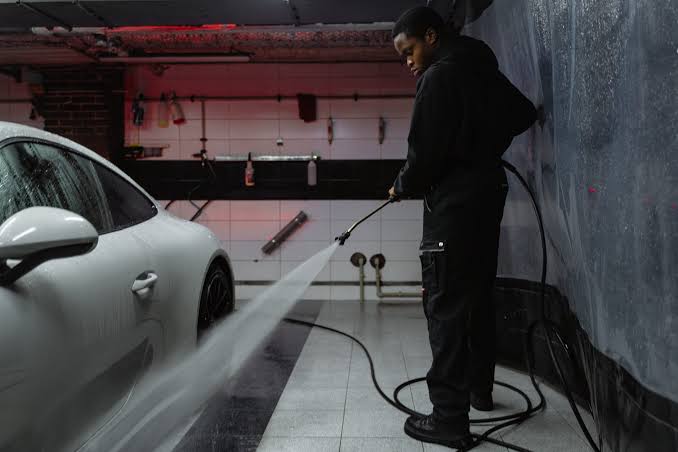
A clean car does more than look good in Nigeria’s dusty, humid, and rainy conditions, it stays in better shape longer and saves you money. Roads here throw everything at your paint: harmattan dust that settles like fine sand, red laterite mud after rain, bird droppings that etch into the surface, tree sap, and road salt in coastal areas. Regular washing removes these before they do lasting damage. Drivers who wash consistently report fewer rust spots, longer-lasting paint, and higher resale value. Let us look at why washing often matters, what it actually protects, and how to do it without harming the finish.
The paint on your car is not just for looks. It has a clear coat on top that shields the color layer from UV rays, moisture, and contaminants. In Nigeria, the sun is intense year-round, and UV breaks down the clear coat over time, causing fading and chalky spots. Dust and grime act like sandpaper when you drive or when wind rubs them against the surface. Regular washing removes this layer before it scratches or embeds. Bird droppings are acidic and can eat through paint in days if left sitting, especially in heat. Tree sap hardens and bonds to the surface, pulling paint off when you try to remove it. Washing weekly or biweekly during dry season and after every major rain prevents these from turning into permanent marks.
Rust prevention is another big reason. Nigeria’s coastal humidity and rainy season create perfect conditions for corrosion. Water traps under wheel arches, in door sills, and underbody seams, mixing with road salt and dirt to eat metal. Washing the undercarriage (even with a hose) removes this buildup. Many owners find that cars washed regularly show far less rust after 5–7 years compared to those left dirty. A clean car also makes it easier to spot early rust bubbles or scratches, so you can treat them before they spread.
Fuel efficiency and performance improve too. Dirty tires and wheels increase rolling resistance, forcing the engine to work harder. Studies show clean tires can save 1–3% on fuel, which adds up on long commutes or during fuel scarcity. A clogged air filter from dust (which settles faster on a dirty car) reduces engine breathing, dropping mileage and power. Washing the car body keeps the grille and air intake cleaner, helping airflow. It is not dramatic, but every little bit helps when petrol prices climb.
Interior benefits often get overlooked. Dust and pollen enter through vents, settling on dashboards and seats. Regular exterior washing reduces how much gets sucked in. A clean car body means less grime tracked inside on shoes, keeping upholstery and carpets fresher longer. In humid weather, trapped moisture from wet mats breeds mold; washing removes the source.
Resale value stays higher with a well-maintained exterior. Buyers in Nigeria notice paint condition first. A car with faded, swirled, or etched paint loses thousands in value, even if mechanically sound. Consistent washing preserves the clear coat and prevents oxidation. Waxing after washing adds a protective layer that blocks UV and makes future cleaning easier dirt slides off instead of grinding in.
How often should you wash? In dry, dusty months like harmattan, every 7–10 days prevents buildup. During rainy season, wash after heavy rain to remove mud and salt before they corrode. For city driving with daily dust, weekly is ideal. Hand washing is best use two buckets (one soapy, one rinse) and a microfiber mitt to avoid swirls from trapped dirt. Avoid automatic brushes that scratch. Dry with microfiber towels or a blower to prevent water spots. Use pH-neutral car shampoo, not dish soap that strips wax. Apply wax or sealant every 2–3 months for extra protection.
Regular washing is low-effort maintenance with high returns. It protects paint, prevents rust, improves efficiency, and keeps resale value strong. Make it a habit, your car will look better, last longer, and cost less to own.