
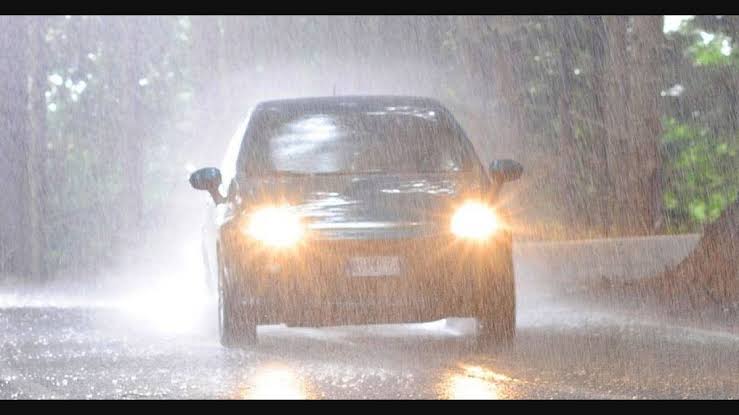
Rainy season in Nigeria turns familiar roads into something else entirely. From April through October, heavy downpours flood streets, hide potholes under water, and turn highways into slippery traps. Visibility drops, brakes behave differently, and drivers who are fine in dry weather suddenly struggle. The good news is that most of the problems are predictable, and the same habits that keep you safe in other conditions become even more important when the rain starts. These tips are what experienced drivers rely on to get through the season without incident.
Slow Down and Leave More Space
Speed is the biggest killer when roads are wet. Water reduces tire grip, so braking distance doubles or triples compared to dry pavement. At 80 km/h on a wet road, you might need 50–60 meters to stop instead of 25–30. Many crashes happen because drivers keep the same speed they use in dry weather. Drop your speed by 20–30% when rain starts. In heavy downpours or standing water, go even slower—30–50 km/h on highways is often safer. Leave at least four seconds of following distance instead of the usual two or three. That extra gap gives you time to react when the car ahead stops suddenly for a flooded section or a fallen tree branch.
Avoid Standing Water and Flooded Areas
Flooded roads hide dangers. What looks like a shallow puddle can be a deep hole that swallows a wheel or hydroplanes the car. Hydroplaning happens when tires lose contact with the road, riding on a layer of water instead. The car feels loose and steering stops working. If it happens, ease off the accelerator gently, keep the wheel straight, and do not brake hard—braking makes it worse. Once speed drops, the tires grip again. The safest rule is to avoid water deeper than the bottom of your door. If you must cross, go slow and steady in first gear (manual) or low (automatic), keeping a steady throttle so the engine pushes water away from the intake. Never drive through fast-moving water—it can sweep the car away.
Use Your Wipers and Lights Wisely
Rain cuts visibility fast. Keep wipers on and replace blades if they streak or chatter—good ones cost ₦3,000–₦6,000 and last a season. Use the washer fluid to clear mud or dust mixed with rain. Turn on low beams as soon as rain starts, even in daylight. Headlights help others see you and cut through the haze. High beams reflect off water and blind oncoming traffic, so avoid them unless the road is empty. Defrost the windshield by running the AC with the defroster on—it removes interior moisture faster than heat alone.
Brake and Accelerate Smoothly
Smooth inputs prevent skids. Brake gently and early—hard braking locks wheels on wet roads, especially with worn tires. If your car has ABS, press the pedal firmly and hold it; the system pulses to prevent lockup. Without ABS, pump the brakes lightly if you feel them grab. Accelerate gradually when moving from a stop—sudden throttle spins tires and loses traction. In corners, slow before the turn, not during. Wet roads reduce grip, so take bends wider and slower than you would in dry conditions.
Prepare Your Car Before the Season Starts
Check tires for tread depth—legal minimum is 1.6 mm, but aim for 3 mm or more for wet roads. Bald tires hydroplane easily. Test brakes for pulling or spongy feel. Change wiper blades if they leave streaks. Top up washer fluid and keep the reservoir full. Inspect the exhaust for rust water and mud accelerate corrosion. If your car has a cabin filter, replace it; a clogged one reduces airflow and fogs windows faster. These checks cost little but make the car handle rain better.
Stay Calm and Know When to Stop
Panic causes more accidents than rain itself. If visibility drops to almost zero, pull over safely find a filling station, car park, or wide shoulder. Wait it out rather than creep along half-blind. If you feel the car hydroplaning or sliding, stay calm, ease off the gas, and steer gently in the direction you want to go. Most slides correct themselves once speed drops.Rainy season driving is not about being fast it is about being predictable and cautious. Slow down, increase following distance, avoid deep water, and prepare your car. These habits cut risks sharply. Drive carefully, and you will get through the wet months safely.