
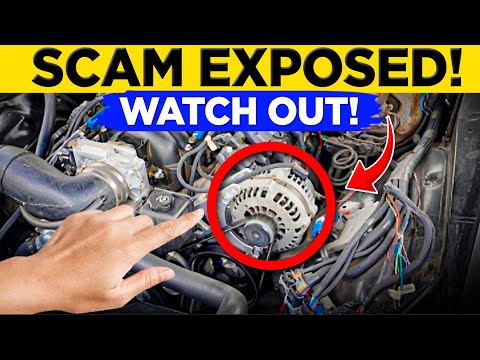
Taking your car to a mechanic in Nigeria can feel like a necessary evil. You pull into a workshop in Ladipo or Oregun, hoping for a quick fix on that overheating issue or brake squeak, but sometimes you walk out wondering if you got played. Mechanics here deal with everything from tokunbo imports to beat-up danfos, and while many are honest folks trying to make a living, others pull tricks to pad the bill. These scams are common because parts are expensive, competition is fierce, and customers often do not know enough to question things. Knowing the red flags helps you spot them early and walk away if needed. Let us go through the most frequent ones, how they work, and what you can do to protect yourself.
1. The “Fake Parts” Switcheroo
This is probably the most widespread scam. You agree on original or quality aftermarket parts, like a new alternator or brake pads, but the mechanic installs cheap Chinese knockoffs or even used ones from a scrap yard. They charge you the full price for originals, pocketing the difference. How it happens: They show you the “new” part in the box, install it while you wait outside, and you never see the difference until it fails prematurely.To spot it: Ask to see the part before installation and take a photo. Insist on brands like Bosch, NGK, or Denso—fakes often have misspelled labels or poor packaging. After the job, check for manufacturer markings on the part if accessible. Better yet, buy the parts yourself from trusted spots like online sellers or big stores, then pay only for labor. This way, you control the quality and cut the scam risk in half.
2. Unnecessary Repairs or “Ghost Fixes”
Mechanics sometimes diagnose problems that do not exist to upsell services. Your car comes in for an oil change, but suddenly they say the timing belt is “about to snap” or the shocks are “completely worn.” They might even loosen something during inspection to create a noise, then “fix” it. This preys on people who do not know their car’s history.How to avoid: Get a second opinion always for big jobs over ₦20,000. Describe symptoms vaguely at first—”the car makes a noise when turning”—and see what they say without leading them. Use a code reader app on your phone for check engine lights to verify codes yourself. Honest mechanics explain with photos or show you the worn part before replacing. If they push extras like “engine flush” without clear need, that is a red flag—most modern engines do not require it.
3. Overcharging for Labor or Inflated Bills
The quote starts low to get you in, then balloons with “unexpected” finds. Labor hours get padded—a 1-hour job becomes 3. Or they add fees for “diagnosis” or “cleaning” that were not discussed. In busy shops, they might swap your good parts (like a battery) with bad ones from another car and charge you for a new one.Spot and stop it: Get everything in writing upfront—parts, labor hours, total cost. No verbal agreements. Take photos of your car before leaving it, especially visible parts like tires or batteries. When picking up, ask for the old parts back to verify they were replaced. Compare quotes from two shops for the same job; if one is way higher, question why. Pay with transfer or card if possible to have a record.
4. Fluid Scams: Not Changing What They Say They Did
You pay for an oil change or coolant flush, but they either do not do it or use cheap substitutes. Your engine runs fine at first, but problems show up later from old, dirty fluids. This is easy in crowded shops where you cannot watch the work.How to fight back: Stay and watch if possible, or ask a friend to. Check fluid levels and color before and after—new oil is golden, old is black. For coolant, it should be bright green or pink after a flush. Insist on seeing the drained fluid. Use mechanics who let you supply your own fluids; that way, you know what went in.
5. Bait and Switch with Diagnostics
They offer a “free check” but then say everything needs fixing. Or they diagnose one thing but fix another, charging for both. This preys on trust—many people agree without questioning.Avoid it: Learn basic symptoms. If the car overheats, it is likely coolant or thermostat, not a full engine rebuild. Use a cheap OBD scanner (₦5,000) to read codes yourself before going. Good mechanics explain with evidence, like showing a leaky hose.Choosing an honest mechanic starts with recommendations from trusted people, not roadside signs. Look for clean, organized shops with certifications. Build a relationship—regular customers get fair treatment. These scams thrive on ignorance, so arm yourself with knowledge and questions. Your car and wallet will thank you.