
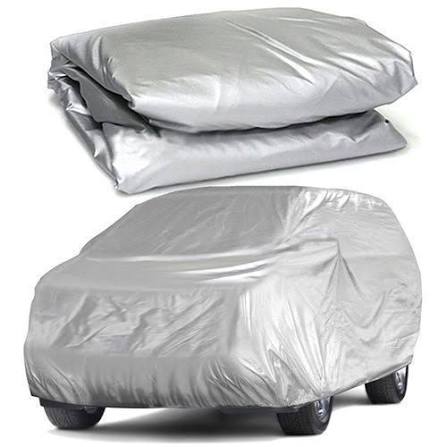
Parking your car outside in Nigeria means it faces a daily assault from the elements. The sun beats down relentlessly, harmattan dust coats everything in a fine layer, and rainy season turns your vehicle into a mud magnet. A good car cover acts like a shield, protecting the paint, interior, and even mechanical parts from fading, rust, and grime buildup. Without one, your car’s resale value drops faster, and you end up spending more on washes or repairs. Choosing the right cover is not about grabbing the cheapest one at the market— it is about matching it to your parking situation, weather patterns, and car type. Let us walk through what matters most, so you pick one that actually works and lasts.
Understand Your Parking Environment First
Where you park your car every day dictates the type of cover you need. If it sits outdoors in full sun, like many do in Lagos or Abuja compounds, go for a cover with UV protection to prevent paint fading and dashboard cracking. Harmattan dust is a big issue from November to February—choose a cover that is dust-resistant but breathable to avoid trapping moisture underneath, which leads to mold or rust. For rainy season (April to October), waterproof or water-resistant materials are key, but they must allow air circulation or condensation builds up inside. Indoor parking, like in a garage, needs lighter protection against dust and scratches from kids or pets—breathable cotton blends work well there. Think about your specific spot: is it under a tree (sap and bird droppings)? Near the road (more dust and pollution)? Tailor the cover to those risks.
Pick the Right Material for Durability
Material makes or breaks a cover’s effectiveness. Polypropylene is lightweight and cheap (₦5,000–₦10,000), good for basic dust protection but tears easily in wind and offers little UV resistance. Polyester with a PU coating is better for rain—water beads off, and it is breathable to prevent mildew. For all-weather use, multi-layer fabrics like those with non-woven outer layers and soft inner fleece are ideal—they block UV, repel water, and cushion against scratches. Tyvek-like materials are tough against dust and sun but can trap heat if not ventilated. Leather or vinyl interiors benefit from soft-lined covers to avoid abrasions. Avoid cheap plastic tarps—they trap moisture like a greenhouse and accelerate rust. Quality covers from brands like Covercraft or local equivalents last 2–5 years with care, while bargain ones shred in months.
Get the Size and Fit Spot-On
A loose cover flaps in the wind, rubbing paint and letting dust in. Too tight, and it stresses seams or scratches the surface. Measure your car: length from bumper to bumper, width at the mirrors, and height from ground to roof. Covers come in sizes like small (for hatchbacks), medium (sedans), large (SUVs). Custom-fit ones hug contours better, with elastic hems and tie-downs for security. Universal fits are cheaper but baggy. For tall vehicles like Hilux pickups, get extended height versions. Grommets for cable locks add theft protection—useful in open parking. Fit matters for wind resistance too; a secure cover stays put during storms.