
Driving in Nigeria means your car faces a daily battle against the elements. The intense sun bakes the paint, harmattan dust coats everything in a fine layer, and rainy season turns roads into muddy messes that splash grime everywhere. Waxing your car is not just about making it shine for a day it is a simple step that protects the paint, prevents damage, and keeps the vehicle looking good longer. Wax creates a thin barrier on the surface, like an invisible shield, that repels water, dirt, and UV rays. In a country where cars spend hours in traffic under the sun or parked outdoors, this protection makes a real difference. Let us look at why waxing is worth the effort, how it works in our conditions, and tips to do it right.The sun in Nigeria is relentless. UV rays break down the clear coat on your car’s paint, causing it to fade, oxidize, and look dull over time.
A good wax absorbs those rays instead, so the paint underneath stays vibrant. Cars waxed regularly can keep their color for years longer than those left unprotected. Think about how black or dark-colored cars turn chalky after a few years wax slows that process way down. In tests done by detailing experts, waxed paint resisted fading 2–3 times better under constant sun exposure.
For Nigerians who park outside all day, this means less need for expensive repaints, which can cost ₦100,000 or more.Dust and grime are another big enemy. Harmattan winds dump Sahara sand on everything, and it sticks to unwaxed paint like glue. When you drive, that dust acts like sandpaper, scratching the surface over time. Wax makes the paint slick, so dust and dirt slide off easier during washes or rain. This reduces swirl marks and micro-scratches that make the car look old fast. In rainy season, wax repels water too—it beads up and rolls off, taking mud and pollutants with it. Without wax, water sits and evaporates, leaving spots that etch into the paint. Regular waxing means fewer deep cleans and less effort to keep the car spotless.Rust prevention is huge in Nigeria. Humidity in coastal areas like Lagos or Calabar mixes with road salt and mud to corrode metal fast.
Wax seals the paint, blocking moisture from reaching the body. It fills tiny scratches where rust starts, stopping it before it bubbles up. Underbody wax or rust-proofing sprays add extra protection for the frame and exhaust, which take the worst from splashed water. Drivers who wax report far less rust after 5–7 years, especially on older tokunbo imports that already have some wear.Fuel efficiency gets a small boost too. A waxed car is smoother, reducing air drag slightly. It is not huge—maybe 1–2% better mileage—but on long trips like Abuja to Kano, it adds up. Clean, waxed surfaces also make the car easier to wash, saving time and water. In our economy, every little saving helps.Interior benefits tie in as well. Wax on the body reduces cabin heat buildup—less sun penetration means cooler seats and dashboards. This slows cracking on plastic trim and leather, which suffer in our sun. A cooler car also makes the AC work less hard, saving fuel and extending its life.
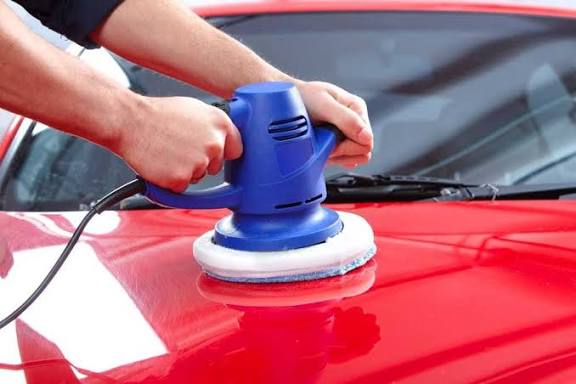
How often should you wax? In Nigeria, every 2–3 months is ideal. Harmattan dust and sun wear it off faster than in cooler places. Choose the right type: carnauba wax for deep shine (lasts 1–2 months), synthetic sealants for longer protection (3–6 months). Ceramic coatings (pro-applied) can last a year or more but cost more upfront. Apply in shade after washing: clean the car, spread wax thin with an applicator, let haze 5–10 minutes, buff off with microfiber. Focus on high-exposure areas like the hood and roof.
Avoid common mistakes like waxing in direct sun—it bakes on and streaks. Use pH-neutral shampoo to wash first; harsh soaps strip old wax. Buff gently to avoid swirls.Waxing is low-effort maintenance with high rewards. It protects against our sun and dust, prevents rust, saves on fuel, and keeps resale value high. Your car looks better and lasts longer. Grab a can and try it this weekend—the difference shows immediately.