
Owning a car in Nigeria is a big step, but keeping the paperwork straight is what keeps it legal and valuable. Without proper documents, even a perfect vehicle can become a headache police can impound it, you cannot sell it easily, insurance claims get rejected, and border crossings turn impossible. Many drivers only realize this when trouble hits: a checkpoint, an accident, or the day they try to sell. The reality is that good documentation protects you financially, legally, and practically every single day you drive.The most basic and non-negotiable document is the vehicle registration certificate, usually called the “particulars” or “registration papers.” This shows the car belongs to you, lists the chassis number (VIN), engine number, make, model, year, and plate number. Without it, you are technically driving a stolen vehicle in the eyes of the law. The Federal Road Safety Corps (FRSC) requires it at every checkpoint, and fines for missing registration start at ₦10,000 and can go higher with impoundment.
Renew it every year or face penalties.Customs duty papers are essential for tokunbo (imported used) cars. These prove the car entered legally and all import duties were paid. Without the customs clearance papers (Form M, Single Goods Declaration, etc.), the car is considered smuggled. Many buyers get caught years later when trying to transfer ownership the licensing office rejects the application, and the car becomes unsellable.
Always keep these papers safe; photocopies are not enough for official transactions.Insurance is mandatory under the Motor Vehicles (Third Party Insurance) Act. Third-party coverage pays for damage you cause to others in an accident. Without it, you face fines (₦5,000–₦20,000) and personal liability for any injuries or repairs. Comprehensive insurance goes further it covers your own car for theft, fire, accident, or flood damage. In a country where accidents are common and theft rates are high in cities, this is the difference between losing everything and getting back on the road. Insurance companies demand current registration and customs papers before paying claims, so missing documents can void coverage.
The roadworthiness certificate (from VIO) proves your car meets safety standards brakes, lights, tires, steering, etc. It is required for registration renewal and some insurance policies. Driving without it risks fines and impoundment. Many drivers skip the test because it costs ₦5,000–₦10,000, but without it, you are vulnerable at checkpoints.Proof of ownership transfer is critical when buying or selling. The seller must sign the back of the registration certificate and provide a letter of transfer. The buyer then takes everything to the licensing office for new plates and registration in their name.
Skipping this step leaves the car in the seller’s name, meaning they remain liable for fines, accidents, or crimes committed with the vehicle. Many buyers get stuck with “uncleared” cars because the seller never completed transfer always insist on full documentation before paying.Other important papers include the driver’s license (valid and matching the class of vehicle), international driving permit if traveling across borders, and proof of payment for any outstanding fines or levies.
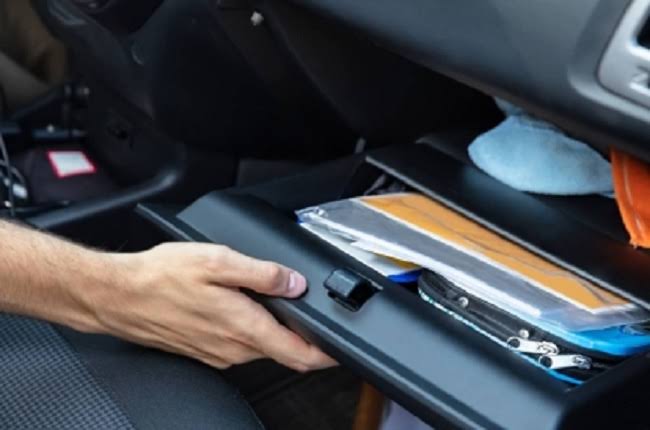
In some states, you need a hackney permit for commercial use.Why does all this paperwork matter so much? First, legal protection. A complete set of documents proves the car is yours and roadworthy. Second, financial protection. Insurance pays only with valid papers. Third, resale value. A car with full history and clear papers sells faster and for more buyers avoid “problem cars” with missing documents. Fourth, peace of mind. You drive without fear of checkpoints, impoundment, or legal trouble.Keep documents organized in a waterproof folder in the glove box.
Make digital copies on your phone and cloud storage. Renew registrations and insurance on time set calendar reminders. When buying a used car, verify every paper with the licensing office before payment.Good documentation is not bureaucracy it is protection.
It keeps your car legal, insurable, sellable, and safe from unnecessary trouble. Spend a little time organizing your papers now, and you will avoid major stress later.