
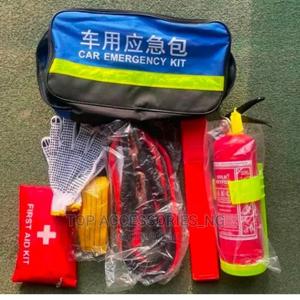
A breakdown on a Nigerian highway can shift from inconvenient to dangerous very quickly. Traffic barrels past, help can be hours away, and the sun or rain makes waiting feel endless. That is why a proper emergency kit in your trunk is not just nice to have it is one of the smartest things you can do for yourself and your passengers. On roads like Lagos-Ibadan, Abuja-Kaduna, or Port Harcourt-Enugu, where fuel stations are far apart and roadside assistance is not always reliable, the right items turn a stressful situation into something manageable.
Let us look at why these kits matter so much here and what belongs in one.First, breakdowns happen more often than people admit. Potholes blow tires, batteries die in the heat, radiators overheat in traffic, and fuel gauges lie when stations run dry. Without tools, you are stuck waiting for a tow that may never come or paying whatever a passerby demands.
A basic kit lets you handle common problems yourself: change a tire, jump the battery, or patch a small leak until you reach a mechanic. That independence is huge when you are alone at night or with family in the car.Second, safety is the real priority. Standing on the shoulder of a busy expressway is risky drivers get hit every year while changing tires or waiting for help. A kit with warning triangles, reflective vests, and a flashlight makes your position visible from far away.
Triangles placed 10 meters and 50 meters behind the car give approaching vehicles time to slow down or move over. A bright flashlight or phone torch waved at night signals trouble clearly. These small items reduce the chance of a secondary accident, which is often more serious than the original breakdown.Third, the kit covers health and comfort during long waits.
A first-aid box with bandages, antiseptic wipes, painkillers, and plasters handles cuts from broken glass or scrapes from changing a tire. Bottled water and non-perishable snacks keep you and passengers from dehydration or hunger critical when stuck for hours in 35°C heat. A small blanket or extra clothes help if you are stranded at night when temperatures drop during harmattan. In rainy season, a rain poncho or umbrella keeps you dry while working outside.Fourth, it saves money and time. A tow from a remote stretch can cost ₦20,000–₦50,000 or more, plus mechanic fees.
Being able to fix a flat tire or jump-start the battery yourself avoids those costs. Even if you still need a tow, having triangles and a vest makes the process safer and faster. Insurance companies sometimes cover roadside assistance, but having your own kit means you are not helpless while waiting.
What should go in a solid emergency kit? Start with the basics for breakdowns:Spare tire (inflated and not older than 6 years), jack, lug wrench, and wheel spanner.Jumper cables (thick gauge, 4–6 AWG) for dead batteries.Three reflective warning triangles and a high-visibility vest.
Flashlight (with extra batteries) or rechargeable work light.First-aid kit: bandages, antiseptic, painkillers, gloves.Bottled water (at least 4 liters), snacks (energy bars or biscuits).Basic tools: adjustable wrench, pliers, screwdriver set, duct tape.Tow rope or strap for pulling out of mud or minor tows.Tire pressure gauge and portable compressor (or 12V air pump).Rain poncho or umbrella, blanket, and extra clothes.Charged power bank and phone charger cables.Small fire extinguisher (for electrical or fuel fires).
These items fit in a sturdy plastic box or duffel bag that slides under the trunk floor or behind the seat. Check the kit every 3 months: inflate the spare, test the flashlight, replace expired snacks or medicine, and recharge the power bank. A kit that sits unused for years is useless when you need it.
In Nigeria, where help is not always quick and conditions change fast, a well-stocked emergency kit is cheap insurance. It costs ₦15,000–₦30,000 to assemble once, but it can save you far more in towing fees, repairs, or worse. Keep it in the trunk, check it regularly, and know how to use each item. The next time something goes wrong, you will be the one handling it calmly instead of waiting helplessly.
Safe driving starts with being ready for when things go wrong. Build your kit, keep it stocked, and drive with confidence.